GLP-1 Muscle Loss: How to Prevent Lean Mass Loss on Semaglutide

SNIPPET: GLP-1 receptor agonists like semaglutide and tirzepatide cause 25–40% of total weight loss to come from lean mass rather than fat. For a 35-pound loss, that's 10–14 pounds of muscle and organ tissue. Resistance training, high-protein intake (1.2–1.6 g/kg/day), and emerging myostatin blockade therapies can cut this lean mass loss by half or more.
THE PROTOHUMAN PERSPECTIVE#
Let me be direct about why this matters beyond the clinic. Skeletal muscle is the single largest metabolic organ in the human body. It's your primary glucose disposal site, your reservoir of amino acids during acute illness, and a key driver of basal metabolic rate. Lose enough of it, and you don't just look different — your insulin sensitivity craters, your resting energy expenditure drops, and you've functionally aged yourself by a decade.
The GLP-1 era is here. Tens of millions of people are on semaglutide or tirzepatide right now, and most of them have no idea that the weight falling off the scale isn't all fat. The ratio of lean mass to fat mass lost is the single most important metric that almost nobody is tracking. For the performance-optimization community, for anyone over 40, for anyone who cares about healthspan and not just a number on a scale — this is the conversation that should be dominating the discourse. It isn't. So let's fix that.
THE SCIENCE#
What the Trial Data Actually Shows#
GLP-1 receptor agonists work primarily through appetite suppression and delayed gastric emptying, producing a state of sustained caloric restriction[1]. The weight loss is real — 15–25% of total body weight in clinical trials. But the body composition data from the STEP, SURMOUNT, SUSTAIN, and SCALE trial programs tells a more complicated story.
Across multiple trials, 25–40% of the weight lost on GLP-1 receptor agonists comes from lean body mass, not adipose tissue[2][3]. When someone on semaglutide loses 15% of their body weight, approximately 5–6% of that total is lean mass[1]. In concrete terms: a person dropping 35 pounds may lose 10–14 pounds of muscle, bone mineral density, and organ tissue.
Now, here's where I need to push back on the panic narrative. Mocciaro et al. (2025) make an important point that often gets lost: caloric restriction itself produces similar lean mass loss ratios[3]. Standard CR shows roughly 30% of weight loss from lean mass, while GLP-1 RAs show 25–40%. The overlap is substantial. The drug isn't uniquely catabolic to muscle — it's inducing a caloric deficit, and caloric deficits cost lean tissue. That's physiology, not pharmacology.
But the distinction matters less than people think. Whether the mechanism is drug-specific or deficit-driven, the outcome is the same: you're losing muscle you can't easily afford to lose.
The Mitochondrial and Signaling Angle#
The narrative review by Acta Diabetologica (2026) lays out the converging pathophysiology with useful clarity[2]. In patients with T2D and obesity, you already have impaired anabolic signaling, mitochondrial dysfunction in skeletal muscle, chronic systemic inflammation, and insulin resistance at the muscle fiber level. Add GLP-1-mediated caloric restriction on top of that, and you're stacking catabolic signals on a system that was already struggling to maintain protein synthesis.
The convergence of chronic inflammation, mitochondrial dysfunction, and altered protein metabolism makes metabolic disease patients particularly vulnerable to sarcopenia[2]. This isn't theoretical. The downstream signaling cascade involves suppressed mTOR activation (the master regulator of muscle protein synthesis), elevated myostatin expression, and disrupted autophagy pathways that would normally clear damaged mitochondria and allow for cellular renewal.
The muscle doesn't just shrink — its quality degrades. Intramuscular fat infiltration increases, force production per unit of muscle cross-section drops, and the metabolic capacity of remaining fibers decreases. This is sarcopenic obesity in slow motion.
Myostatin Blockade: The Preclinical Breakthrough#
Here's where it gets genuinely interesting. Mastaitis et al. (2025) published in Nature Communications what I consider the most important preclinical finding in this space to date[4]. They demonstrated that dual blockade of GDF8 (myostatin) and activin A — both ligands of type II activin receptors ActRIIA/B — not only prevented GLP-1-induced muscle loss but actually increased muscle mass while maintaining equivalent total weight loss.
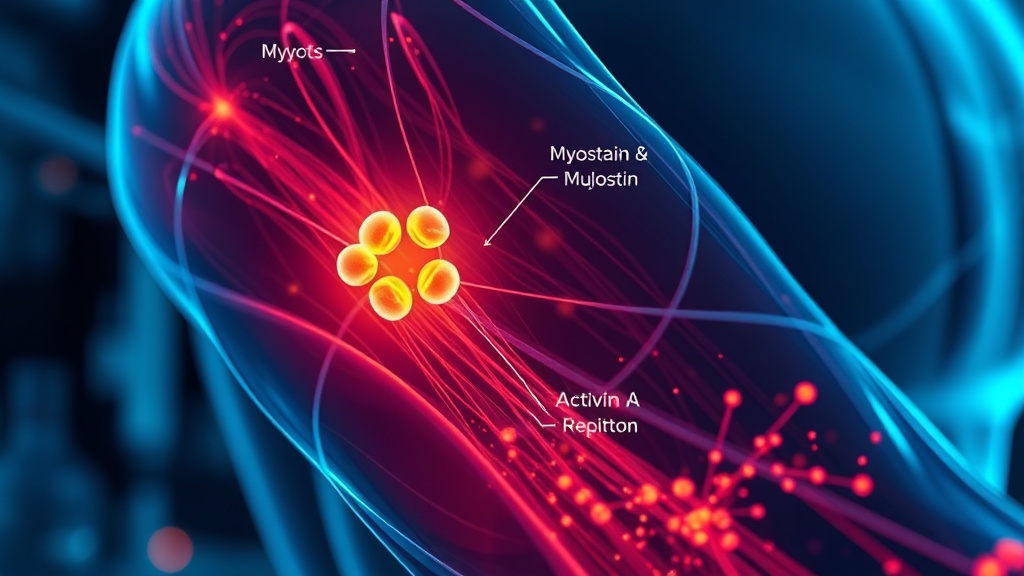
In diet-induced obese mice, the combination of semaglutide plus αMSTN–αActA antibody blockade produced similar total body weight loss to semaglutide alone, but with statistically significantly greater protection from lean mass loss and substantially greater reduction in percentage fat mass[4][5]. The same results were replicated in non-human primates — which matters, because primate muscle physiology is far closer to human than murine models.
The catch, though. This is preclinical. No human RCTs yet for this specific combination. Regeneron (where the study originated) is clearly positioning this for clinical development, but we're likely 3–5 years from approved combination therapies. Anyone telling you to "just add myostatin inhibitors" to your GLP-1 protocol right now is ahead of the evidence.
Liraglutide: A Slightly Different Picture#
Oborski et al. (2026) reviewed liraglutide specifically and found something worth noting: the most recent studies suggest liraglutide may primarily reduce adipose tissue, with LBM loss being a consequence of total weight reduction rather than a drug-specific catabolic effect[6]. More intriguingly, preliminary data suggest liraglutide may have a direct anabolic and protective effect on skeletal muscle via modulation of signaling pathways.
I'm less convinced by this than the authors seem to be. The sample sizes are small, the mechanistic data is early, and "modulation of signaling pathways" is doing a lot of heavy lifting in that sentence without much specificity. But it's worth watching.
Lean Mass as Percentage of Total Weight Loss by Method
COMPARISON TABLE#
| Method | Mechanism | Evidence Level | Cost (Monthly) | Accessibility |
|---|---|---|---|---|
| GLP-1 RA alone (semaglutide/tirzepatide) | Appetite suppression, caloric restriction via CNS action and gastric emptying delay | Multiple Phase III RCTs (STEP, SURMOUNT) | $800–$1,300 (branded) | Prescription only; widespread |
| GLP-1 RA + Resistance Training + High Protein | Caloric deficit + mechanical loading to preserve mTOR signaling + amino acid substrate | Observational + extrapolated from CR literature | $800–$1,400 (drug + gym) | Requires patient compliance |
| GLP-1 RA + Myostatin/Activin A Blockade | Dual blockade of ActRIIA/B ligands preserving lean mass during weight loss | Preclinical (mice + NHP); no human RCTs | Not commercially available | Experimental; years from market |
| Caloric Restriction Alone | Energy deficit via dietary changes | Decades of RCTs | $0–$200 (dietary guidance) | Universal but low long-term adherence |
| Metabolic Surgery (Bariatric) | Anatomical restriction + hormonal changes | Long-term RCTs | $15,000–$30,000 (one-time) | Surgical candidacy required |
THE PROTOCOL#
How to Minimize Lean Mass Loss During GLP-1 Receptor Agonist Therapy
Based on current evidence, this is the integrated approach I'd recommend for anyone on semaglutide, tirzepatide, or liraglutide who wants to preserve as much muscle as possible.
Step 1: Establish Protein Targets Before Starting Therapy Set daily protein intake at 1.2–1.6 g per kilogram of body weight per day, with the higher end for individuals over 50 or those with existing low muscle mass[6]. Distribute intake across 3–4 meals with at least 30g of protein per meal to maximize muscle protein synthesis per feeding. Leucine content matters — aim for protein sources with high leucine density (whey, eggs, poultry, beef). If GLP-1-induced appetite suppression makes eating difficult, liquid protein sources (shakes, bone broth concentrates) become non-negotiable.
Step 2: Implement Progressive Resistance Training Immediately Do not wait until you've "lost enough weight" to start lifting. Begin concurrent with GLP-1 therapy initiation. Minimum effective dose: 2–3 sessions per week targeting all major muscle groups with compound movements (squats, deadlifts, rows, presses). Work in the 6–12 rep range at RPE 7–9. Progressive overload is the signal that tells your body to keep muscle while shedding fat. Without that signal, your body will catabolize lean tissue to meet the energy deficit.
Step 3: Add Creatine Monohydrate 5g daily, every day, no loading phase necessary. Creatine is the single most evidence-backed supplement for preserving and building lean mass. It supports intracellular hydration of muscle cells, enhances phosphocreatine recycling for training performance, and may have independent effects on muscle protein synthesis signaling. At this dose and cost (roughly $0.10/day), there is no reason not to include it.
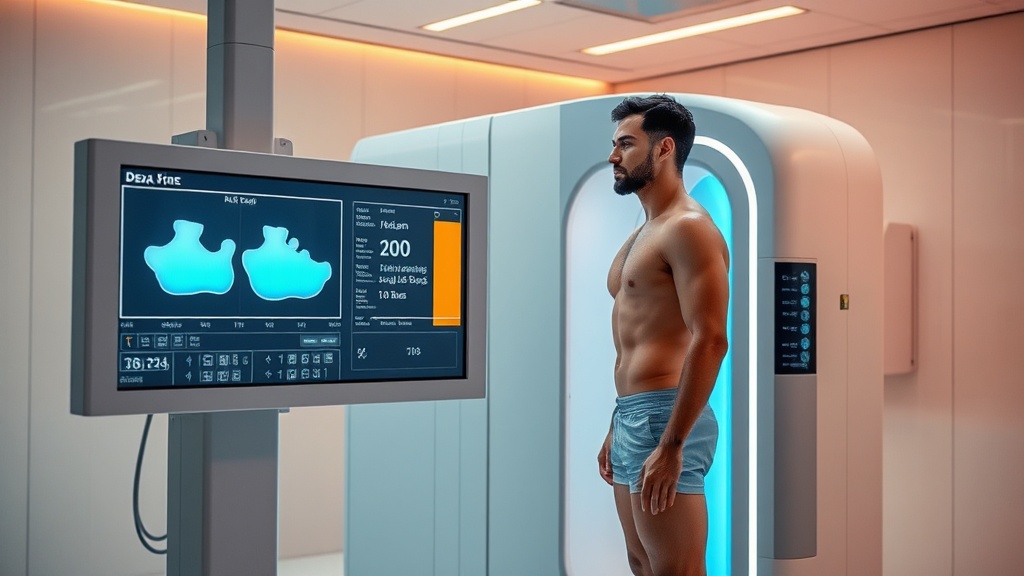
Step 4: Track Body Composition, Not Just Scale Weight Get a baseline DEXA scan before starting GLP-1 therapy and repeat every 12–16 weeks. Scale weight is meaningless without composition data. You want to see fat mass dropping while lean mass holds steady or declines minimally. If lean mass is falling faster than expected (more than 20% of total weight lost), escalate protein intake and training volume before considering dose adjustments.
Step 5: Consider Adjunctive Peptide Therapy (With Appropriate Caution) Growth hormone secretagogues like CJC-1295/Ipamorelin or MK-677 (ibutamoren) may support lean mass preservation through GH/IGF-1 axis stimulation[1]. However, the evidence for these combinations with GLP-1 RAs specifically is limited to clinical observation, not controlled trials. MK-677 in particular carries its own considerations — water retention, increased appetite (counterproductive when the whole point of GLP-1 is appetite suppression), and potential effects on insulin sensitivity. Discuss with a prescriber who understands both the GLP-1 and peptide pharmacology.
Step 6: Monitor Recovery Markers HRV tracking, grip strength measurements, and subjective fatigue scores can serve as early warning signals for catabolic overreach. If HRV trends downward consistently and grip strength drops more than 10% from baseline, you may be under-recovering relative to your caloric deficit. This is the point to increase rest days, calories, or both.
Related Video
What percentage of weight loss on Ozempic is muscle?#
Clinical trial data consistently shows that 25–40% of weight lost on GLP-1 receptor agonists like semaglutide (Ozempic/Wegovy) comes from lean body mass rather than fat[2][3]. For someone losing 35 pounds, that could mean 10–14 pounds of muscle and other lean tissue. This ratio is similar to, though slightly higher than, standard caloric restriction.
How can you prevent muscle loss while taking semaglutide or tirzepatide?#
The most evidence-supported approach combines resistance training (2–3 sessions weekly with progressive overload), high protein intake (1.2–1.6 g/kg/day), and creatine supplementation (5g daily)[1][6]. These interventions together may reduce the lean mass fraction of weight loss by half or more compared to GLP-1 therapy without exercise or dietary optimization.
What is myostatin blockade and could it solve GLP-1 muscle loss?#
Myostatin (GDF8) is a protein that limits muscle growth. Mastaitis et al. (2025) showed that dual blockade of myostatin and activin A prevented muscle loss during semaglutide treatment in mice and non-human primates, while actually enhancing fat loss[4]. This is a promising preclinical finding, but no human trials exist yet for this specific combination therapy.
Who is most at risk for muscle loss on GLP-1 therapy?#
Older adults (over 60), individuals with pre-existing low muscle mass or sarcopenic obesity, sedentary patients, and those with inadequate protein intake face the highest risk[2]. These populations have compromised anabolic signaling at baseline, making them especially vulnerable to the caloric restriction GLP-1 drugs induce.
When should you get a DEXA scan while on GLP-1 medication?#
Get a baseline DEXA scan before starting therapy, then repeat every 12–16 weeks to track the ratio of lean mass to fat mass lost. If lean mass comprises more than 20–25% of your total weight loss despite following resistance training and protein protocols, discuss dose adjustments or adjunctive strategies with your prescriber.
VERDICT#
7.5/10
GLP-1 receptor agonists are genuinely effective tools for fat loss and cardiometabolic improvement — I'm not disputing that. But the lean mass cost is real, poorly communicated by most prescribers, and largely preventable with interventions that should be standard of care but aren't. The myostatin blockade data from Mastaitis et al. is the most exciting development in this space, though it's preclinical and years from your medicine cabinet. Right now, the protocol is straightforward: lift heavy, eat enough protein, take your creatine, track your composition. The fact that this needs to be said in 2026 — when millions are already on these drugs — is the actual failure here. The pharmacology works. The clinical implementation is incomplete.
References
- 2.Author(s) not listed. Muscle loss and GLP-1R agonists use. Acta Diabetologica (2026). ↩
- 3.Mocciaro G, Capodici A, De Amicis R. GLP-1 receptor agonists induce loss of lean mass: so does caloric restriction. BMJ Nutrition, Prevention & Health (2025). ↩
- 4.Mastaitis JW, Gomez D, Raya JG, Li D, Min S, Stec M, Kleiner S, McWilliams T, Altarejos JY, Murphy AJ, Yancopoulos GD, Sleeman MW. GDF8 and activin A blockade protects against GLP-1–induced muscle loss while enhancing fat loss in obese male mice and non-human primates. Nature Communications (2025). ↩
- 5.Tysoe O. Muscle mass loss during GLP1 receptor agonist therapy prevented with GDF8 and activin A blockade. Nature Reviews Endocrinology (2025). ↩
- 6.Oborski M. Liraglutide – Effects on Lean Body Mass, Muscle Mass and Prevention of Muscle Loss: A Comprehensive Literature Review. Quality in Sport (2026). ↩
Petra Luun
Petra writes with clinical depth and a slight edge of frustration at how poorly understood this space is by both advocates and critics. She will dismantle bro-science and mainstream medical conservatism with equal energy in the same article. Her writing has surgical precision: she explains receptor pharmacology, feedback loops, and half-life considerations in one coherent thread without dumbing any of it down.
View all articles →