Lithium for Borderline Personality Disorder: Neuroplasticity Evidence

SNIPPET: Lithium may reduce impulsivity, anger, and self-harm in borderline personality disorder (BPD) through neuroplasticity and anti-inflammatory pathways, according to a March 2026 review in Frontiers in Behavioral Neuroscience. However, clinical evidence remains limited, and no regulatory body has approved lithium for BPD. Psychotherapy remains first-line treatment.
THE PROTOHUMAN PERSPECTIVE#
Borderline personality disorder sits in a strange clinical no-man's-land. It's too complex for a single pill, too neurobiological to be dismissed as purely psychological, and too deadly — with suicide rates nearly 50 times the general population — to ignore pharmacological options. What makes the lithium-BPD conversation worth tracking isn't that we've found a cure. We haven't. It's that we're finally asking whether the oldest psychiatric medication on the shelf might address something deeper than mood swings: the actual architecture of emotional regulation circuits.
For anyone interested in neuroplasticity as a lever for human performance — and I count myself among them — lithium's ability to increase hippocampal and prefrontal cortex volume is not a minor footnote. It suggests that emotional instability isn't just a software problem. It's hardware. And hardware, it turns out, might be modifiable.
The catch, though: the evidence base for lithium in BPD specifically is embarrassingly thin. We're working with theoretical plausibility more than clinical certainty.
THE SCIENCE#
What Lithium Actually Does in the Brain#
Lithium is a mood stabilizer first prescribed in the 1950s, and its precise molecular mechanism remains — to use a generous term — incompletely defined. What we do know: it inhibits glycogen synthase kinase-3 beta (GSK-3β), modulates inositol signaling, influences the hypothalamic-pituitary-adrenal (HPA) axis, and appears to exert neuroprotective effects through multiple overlapping pathways including reduction of neuroinflammation, oxidative stress buffering, and upregulation of autophagy pathways[4].
About 50% of serum lithium concentrations reach the brain, though individual gene expression differences significantly influence both concentrations and downstream effects[4]. This variability is something I think gets underplayed in most discussions — what works at 0.8 mEq/L for one person may do almost nothing for another.
The Warlick et al. (2026) review in Frontiers in Behavioral Neuroscience synthesizes the case for lithium in BPD by connecting these known mechanisms to BPD's core pathology: affective instability, impulsivity, and chronic suicidality[1]. Their argument is mechanistic rather than evidence-driven — few clinical trials exist. A handful of studies show supportive evidence for lithium addressing anger management, impulsivity, and self-harm behaviors, but the authors themselves acknowledge the lack of robust clinical data[1].
The Frontolimbic Connection#
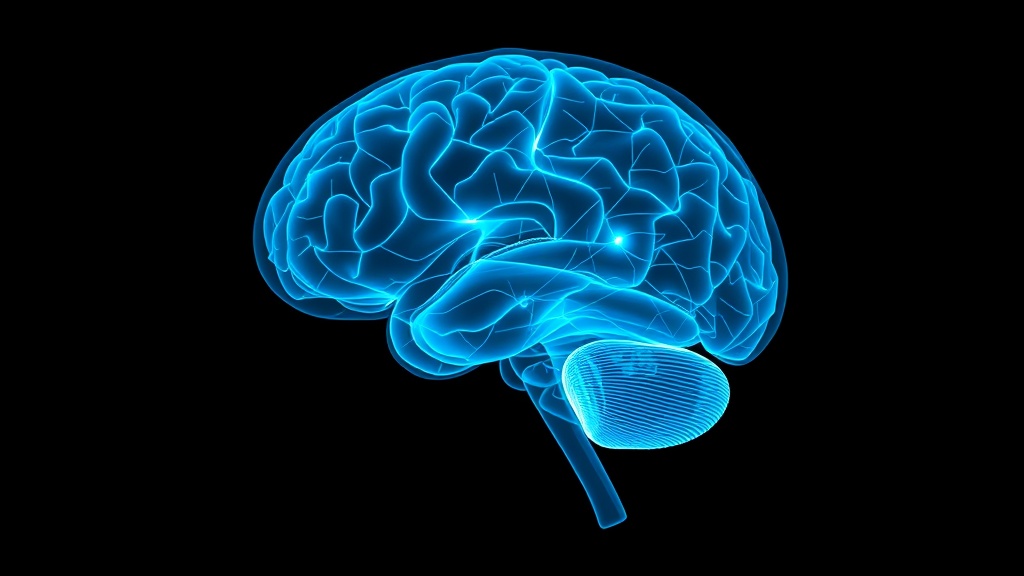
Here's where it gets interesting. A systematic review published in Translational Psychiatry (February 2026) examined 115 neuroimaging studies and found that lithium treatment was most consistently associated with larger volumes in the hippocampus, amygdala, anterior cingulate cortex (ACC), and prefrontal cortex (PFC), along with higher white-matter integrity within frontolimbic circuitry[3].
These are precisely the regions implicated in BPD. The emotional dysregulation characteristic of the disorder maps onto amygdala hyperreactivity and weakened prefrontal top-down control. If lithium genuinely strengthens this circuitry — increasing amygdala-PFC/ACC connectivity — the theoretical rationale for its use in BPD becomes considerably more compelling[3].
But I need to push back on the certainty here. The systematic review rated overall risk of bias as "substantial," yielding only low-to-moderate certainty of evidence. And most of these imaging studies were cross-sectional (78 out of 115), which means we're looking at snapshots, not trajectories[3].
Neuroplasticity and Anti-Inflammatory Mechanisms#
The word "neuroplasticity" is doing a lot of heavy lifting in this literature, so let me be specific about what's actually being claimed. Lithium modulates BDNF (brain-derived neurotrophic factor), promotes neuronal differentiation and survival, and influences synaptic plasticity[4]. It also contributes to antioxidant defense and reduces glial dysfunction and apoptosis.
On the inflammation side, lithium dampens neuroinflammatory cascades — relevant because BPD has been associated with elevated inflammatory markers. Lado and Misir (2026) position lithium within a broader neuroprotective framework alongside antioxidants and transcranial magnetic stimulation (TMS), proposing that neurofilament light chain (NfL) may serve as a measurable indicator of lithium's axon-stabilizing effects[5]. Their work also notes that reducing dietary lithium by more than 50% in Alzheimer's mouse models accelerated amyloid-β and tau pathology — though I want to be clear, this is preclinical animal data and should not be directly extrapolated to human BPD protocols[5].
The Isotope Wrinkle — Quantum Biology Enters the Chat#
This reminds me of something from the quantum biology literature — different context, but the pattern holds. Delacour et al. (2025) published a fascinating mini-review in Frontiers in Psychiatry examining whether lithium's two stable isotopes (⁶Li and ⁷Li) exhibit distinct bioactivity[2]. Classical lithium targets like GSK-3β don't discriminate between isotopes, but differential effects emerge at the level of mitochondrial calcium handling — lithium isotopes appear to modulate calcium storage capacity in brain mitochondria via incorporation into amorphous calcium phosphate structures[2].
Whether this is a laboratory curiosity or something with genuine therapeutic implications remains genuinely unclear. The honest answer is we don't know yet. But it opens a door to precision lithium therapy that didn't exist before.
What About BPD Specifically?#
Ghorani and Zamir (2025) conducted a systematic review examining lithium's effect on mood improvement in BPD patients, published as a conference abstract in European Psychiatry[6]. Their motivation — the lack of any FDA-approved pharmacological treatment for BPD and the disorder's possible position on the bipolar spectrum — frames the research question well. But conference abstracts are limited evidence, and the full study details remain thin.
I'm less convinced by the argument that BPD sits neatly on the bipolar spectrum. The phenomenology overlaps, sure, but the developmental and relational dimensions of BPD are distinct. Treating it as "bipolar-lite" risks oversimplification of a condition that resists simple categorization. I think the word "mood" is doing too much work here — what BPD patients experience isn't straightforward mood cycling but something more interpersonally reactive and identity-bound.
Neuroimaging Studies by Design in Lithium Systematic Review
COMPARISON TABLE#
| Method | Mechanism | Evidence Level | Cost | Accessibility |
|---|---|---|---|---|
| Lithium (therapeutic dose) | GSK-3β inhibition, neuroplasticity, anti-inflammatory, HPA axis modulation | Low for BPD; moderate-high for bipolar | Low (~$10-30/month generic) | Prescription only; requires blood monitoring |
| Dialectical Behavior Therapy (DBT) | Skills training for emotional regulation, distress tolerance, mindfulness | High for BPD (gold standard) | High ($150-300/session) | Requires trained therapist; waitlists common |
| Valproate/Anticonvulsants | GABA modulation, GSK-3β inhibition | Low-moderate for BPD impulsivity | Low (~$15-40/month) | Prescription; liver monitoring required |
| SSRIs | Serotonin reuptake inhibition | Low for BPD; guidelines discourage routine use | Low (~$5-20/month) | Widely prescribed; minimal monitoring |
| Low-dose lithium orotate (OTC) | Same pathways at sub-therapeutic levels | Very low (no RCTs in BPD) | Very low (~$10-15/month) | Over-the-counter; no monitoring standard |
| TMS + Lithium (multimodal) | Neuroplastic and anti-inflammatory synergy | Preclinical/theoretical framework | High ($200-400/TMS session + lithium) | Limited to specialized clinics |
THE PROTOCOL#
Important disclaimer: Lithium is a prescription medication with a narrow therapeutic index. The protocol below is informational, based on published clinical frameworks, and must only be pursued under direct medical supervision.
Step 1: Establish baseline assessment. Before any lithium discussion with your provider, get baseline bloodwork — thyroid function (TSH, free T4), renal function (creatinine, eGFR), calcium levels, and a complete metabolic panel. BPD-specific symptom tracking using validated tools like the Zanarini Rating Scale for BPD (ZAN-BPD) provides a quantifiable starting point.
Step 2: Discuss lithium candidacy with your psychiatrist. Based on current evidence, lithium may be most relevant for BPD patients with prominent affective instability, recurrent self-harm, or anger dysregulation — particularly those who haven't responded adequately to psychotherapy alone[1]. The absence of FDA approval means this is off-label, and your provider needs to assess risk-benefit individually.
Step 3: If prescribed, expect a titration period. Standard therapeutic lithium levels for mood disorders range from 0.6–1.2 mEq/L. For BPD, some clinicians target the lower end (0.6–0.8 mEq/L) to minimize side effects while still accessing neuroprotective pathways. Serum lithium monitoring every 5–7 days during titration is standard practice.
Step 4: Integrate with psychotherapy — never replace it. Lithium is not a substitute for DBT, mentalization-based therapy (MBT), or schema therapy. The data consistently shows psychotherapy as first-line for BPD[1]. Think of lithium as potentially lowering the neurobiological floor so that therapeutic work can actually land.
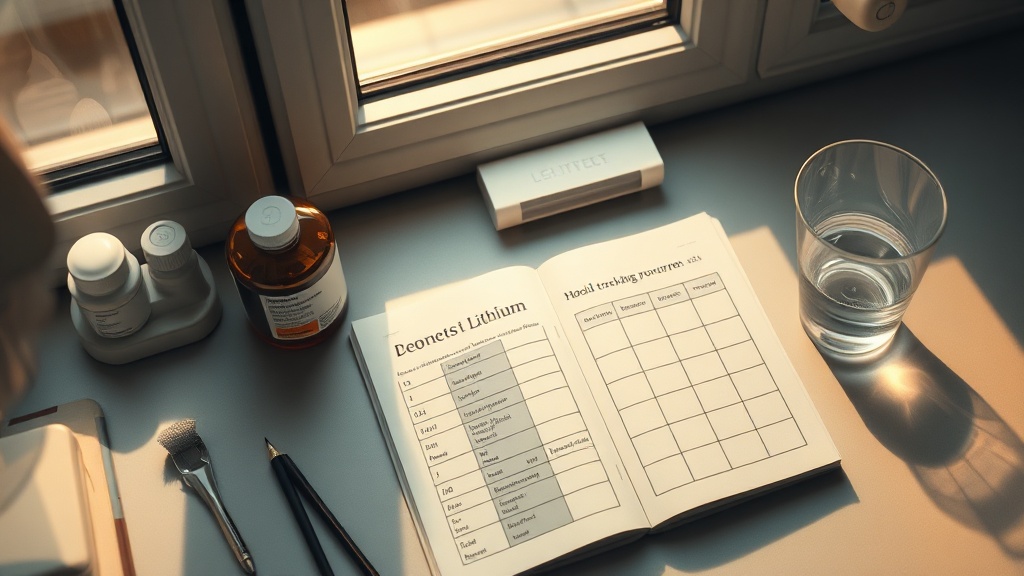
Step 5: Monitor ongoing. Thyroid and renal function checks every 3–6 months. Track hydration carefully — lithium's therapeutic window narrows with dehydration. Weight changes, tremor, and cognitive dulling are common side effects to discuss proactively with your prescriber.
Step 6: Reassess at 8–12 weeks. If BPD symptom clusters (impulsivity, affective lability, self-harm urges) haven't measurably improved using your baseline tracking tools, the risk-benefit calculation shifts. Not everyone responds. Based on current evidence, if you choose to trial lithium for BPD, approach it as a time-limited experiment with clear endpoints, not an indefinite commitment.
Related Video
What is the current evidence level for lithium in borderline personality disorder?#
The evidence is limited. A few studies suggest lithium may help with anger management, impulsivity, and self-harm in BPD, but no large randomized controlled trials exist for this specific indication[1]. No regulatory agency has approved any medication for BPD treatment. The theoretical rationale — based on lithium's neuroplasticity and anti-inflammatory effects — is stronger than the clinical data currently supports.
How does lithium change brain structure in regions relevant to BPD?#
A 2026 systematic review of 115 neuroimaging studies found that lithium treatment was associated with increased volumes in the hippocampus, amygdala, ACC, and prefrontal cortex, plus higher white-matter integrity in frontolimbic circuits[3]. These are the same regions implicated in BPD's emotional dysregulation. However, most studies were cross-sectional, and overall certainty of evidence was rated low-to-moderate.
Why isn't lithium already widely used for BPD if the mechanisms seem relevant?#
Several reasons. BPD's primary treatment framework is psychosocial, not pharmacological. Lithium requires regular blood monitoring due to its narrow therapeutic index, which complicates use in a population that may struggle with treatment adherence. And frankly, pharmaceutical companies have little incentive to fund trials for a generic, inexpensive drug in a new indication.
Who should consider discussing lithium with their psychiatrist for BPD?#
Individuals with BPD who experience severe affective instability, recurrent impulsive self-harm, or anger dysregulation that hasn't responded to evidence-based psychotherapy may be candidates for an off-label lithium trial[1]. This decision should always involve a psychiatrist familiar with lithium monitoring and BPD phenomenology. It's not appropriate as a first-line or standalone intervention.
What does the isotope research mean for future lithium therapy?#
Delacour et al. (2025) found that lithium's two stable isotopes (⁶Li and ⁷Li) may have different effects on mitochondrial calcium handling in the brain[2]. This is early-stage research that could eventually lead to isotope-specific lithium formulations. But critical experimental gaps remain — we don't yet know if these mitochondrial differences translate to meaningful changes in neuronal signaling or clinical outcomes.
VERDICT#
Score: 5/10
The mechanistic argument for lithium in BPD is intellectually coherent and the neuroimaging data on frontolimbic remodeling is genuinely interesting. But the clinical evidence is almost nonexistent — we're talking about a handful of small studies and theoretical extrapolation from bipolar disorder data. I'd want to see at least one well-designed RCT before upgrading this score. The neuroplasticity angle deserves serious investigation, not just review papers. For now, lithium remains a plausible but unproven adjunct for BPD, and anyone pursuing it needs medical oversight and realistic expectations. The most important thing this research does is make the case for why the trials should happen — not that we have answers yet.
References
- 1.Warlick H, Jafarmadar A, Joubran E, Koleng M, Owens-Charles CR, Ramanathan P, Rubinos Rodriguez J, Simon L, Singer S, Gallicchio VS. Lithium in borderline personality disorder: neuroplasticity, anti-inflammatory action, and therapeutic potential. Frontiers in Behavioral Neuroscience (2026). ↩
- 2.Delacour C, Deline M, Hermannsdóttir H, Lu Z, Gingras MJP, Fromme T. Isotope-specific lithium bioactivity – physiological reality or laboratory oddity?. Frontiers in Psychiatry (2025). ↩
- 3.Author(s) not listed. Lithium effects in the frontolimbic circuitry: a systematic review of neuroimaging findings in bipolar disorder. Translational Psychiatry (2026). ↩
- 4.Author(s) not listed. Lithium Therapeutic Functions: An Update on Pharmacokinetics, Pathophysiological Mechanisms of Action, Toxicity, and Side Effects. Molecular Neurobiology (2026). ↩
- 5.Lado L, Misir A. The interplay of homeostasis, inflammation, and oxidative stress in neurodegenerative disorders: the role of biological markers, antioxidants, lithium, and TMS. Frontiers in Aging Neuroscience (2026). ↩
- 6.Ghorani S, Zamir M. The effect of LITHIUM in mood improvement in patient with borderline personality disorder; A systematic review. European Psychiatry (2025). ↩
Fen Adler
Fen writes with psychological nuance and a slightly meandering quality that feels human. He'll start pursuing one idea, realize it connects to something else, and follow it briefly before returning: 'This reminds me of something from the attentional blink literature — different context, but the pattern holds.' He's interested in the experience, not just the mechanism, which means he'll occasionally ask: 'What does this actually feel like?' when discussing neurological effects.
View all articles →