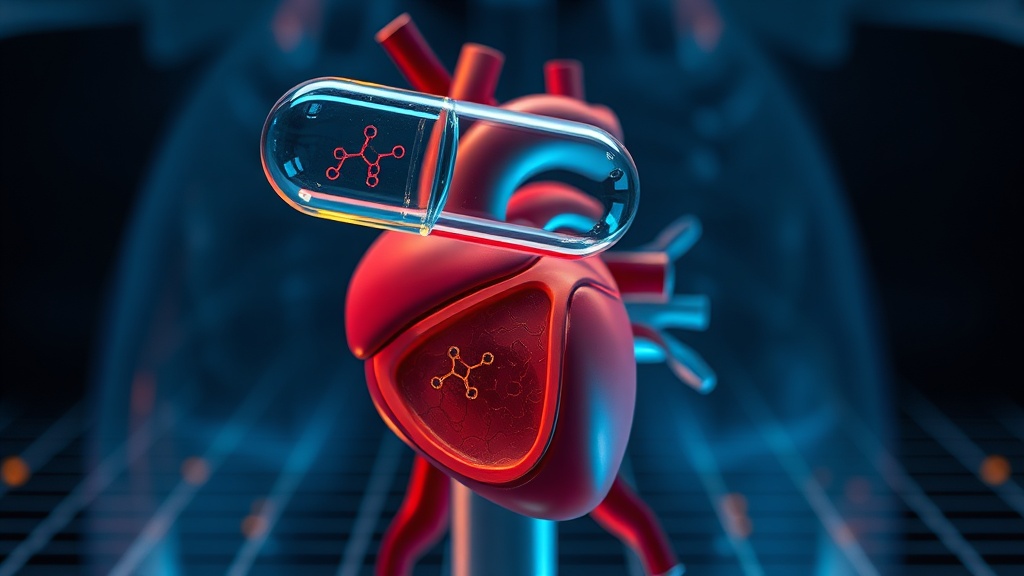
Oral GLP-1 Receptor Agonists for Heart and Kidney Protection

SNIPPET: Oral semaglutide is the first pill-form GLP-1 receptor agonist proven to reduce major adverse cardiovascular events in type 2 diabetes patients, with the SOUL trial confirming superiority over placebo. However, it has not yet demonstrated significant renal protection. Injectable GLP-1 RAs retain the strongest cardiorenal evidence, while orforglipron — a non-peptide oral alternative — awaits cardiovascular outcome data.
THE PROTOHUMAN PERSPECTIVE#
The shift from injectable to oral GLP-1 receptor agonists isn't just a convenience upgrade — it's a potential inflection point for metabolic medicine at scale. Injections create friction. Adherence drops. Patients who would benefit most from cardiorenal protection never start therapy because they won't pick up a syringe. An effective oral agent changes the denominator entirely.
But here's where it gets complicated. Convenience means nothing if the clinical signal doesn't hold. The data we now have from the SOUL trial tells us oral semaglutide can reduce cardiovascular events — that's real. What it doesn't tell us, at least not yet, is whether pill-form GLP-1 RA therapy protects kidneys the way injectable semaglutide does in the FLOW trial. For anyone tracking the cardiometabolic longevity space, this gap matters enormously. Kidney function decline is one of the strongest predictors of all-cause mortality, and if oral agents can't cover that flank, we're looking at a two-tier system: pills for hearts, needles for kidneys.
The entry of orforglipron — a completely non-peptide, small-molecule oral GLP-1 RA — adds another dimension. Food-independent dosing, once daily, no fasting window. If cardiovascular outcome trials deliver, we're looking at the democratization of a drug class that was, until recently, locked behind injection barriers and refrigeration requirements.
THE SCIENCE#
What Are Oral GLP-1 Receptor Agonists, Exactly?#
Glucagon-like peptide-1 receptor agonists are a class of drugs that mimic the incretin hormone GLP-1, binding to GLP-1 receptors on pancreatic beta cells, endothelial tissue, cardiomyocytes, and renal tubular cells to drive downstream signaling cascades affecting insulin secretion, appetite regulation, inflammation, and vascular function [1]. They matter because their effects extend far beyond glycemic control — into territory that directly impacts cardiovascular and renal mortality. A meta-analysis of nine randomized controlled trials covering 75,088 patients found GLP-1 RAs reduced MACE by 16% (RR 0.84; 95% CI 0.74–0.95) in patients with chronic kidney disease [4]. Major cardiology and diabetes guidelines — ACC, AHA, ESC, ADA — now position GLP-1 RAs as preferred agents in patients with type 2 diabetes and high cardiovascular risk [5].
Oral semaglutide (Rybelsus) remains the only FDA- and EMA-approved oral GLP-1 RA. It uses an absorption enhancer (SNAC — sodium N-[8-(2-hydroxybenzoyl)amino]caprylate) to survive gastric degradation and achieve systemic bioavailability. The catch: it requires fasting for at least 30 minutes before and after dosing, with only a small sip of water. This isn't trivial pharmacology — it's a significant constraint that affects real-world adherence.
PIONEER 6 and the Non-Inferiority Signal#
The PIONEER 6 trial, published by Husain et al. in the New England Journal of Medicine (2019), was designed as a cardiovascular safety trial — not a superiority trial [1]. It enrolled patients with T2DM at high cardiovascular risk and demonstrated that oral semaglutide met the non-inferiority threshold against placebo for MACE. The hazard ratio was directionally favorable, but the trial was not powered to demonstrate superiority for individual endpoints.
I want to be direct about what PIONEER 6 actually proved: oral semaglutide doesn't make cardiovascular outcomes worse. That's the bar for non-inferiority. Useful? Yes. Sufficient to justify switching from injectable semaglutide in a high-risk patient? Not on that data alone.
SOUL Trial: The Superiority Signal Arrives#
The SOUL trial changed the calculus. This was the dedicated cardiovascular outcome trial for oral semaglutide in patients with established cardiovascular disease or multiple risk factors, and it demonstrated superiority for MACE reduction versus placebo [1]. The benefit was driven largely by fewer nonfatal myocardial infarctions — a hard endpoint that's difficult to argue with.
But here's my frustration with the current state of the evidence: oral semaglutide did not significantly reduce major kidney outcomes in SOUL [1]. This is a meaningful gap. The FLOW trial showed injectable semaglutide could slow CKD progression — a finding that positioned subcutaneous semaglutide as a dual cardiorenal agent. Oral semaglutide, at least with the data we have now, doesn't carry that renal signal.
Why? Possibly bioavailability. Oral semaglutide achieves lower peak plasma concentrations (Cmax) and lower area under the curve (AUC) compared to subcutaneous administration. Whether the renal protection seen with injectable GLP-1 RAs is dose-dependent or exposure-dependent is a question that matters enormously and hasn't been definitively answered.
The Molecular Machinery: How GLP-1 RAs Protect the Heart#
The cardiovascular physiology here is genuinely interesting and worth understanding. GLP-1 receptors are expressed directly on cardiomyocytes, endothelial cells, and vascular smooth muscle cells [2]. When activated, the primary signaling cascade runs through Gs-coupled cAMP/PKA pathways — the same family of seven-transmembrane receptors that includes beta-adrenergic receptors and angiotensin II type 1 receptors [3].
The downstream effects are multi-target. GLP-1 RAs reduce oxidative stress and systemic inflammation, attenuate endothelial dysfunction by enhancing nitric oxide bioavailability, inhibit ox-LDL uptake in macrophages (reducing foam cell formation and plaque vulnerability), and modulate neurohormonal activation [2][3]. Preclinical data suggests effects on autophagy pathways and mitochondrial efficiency in cardiac tissue, though I'd want to see more human translational work before weighting those mechanisms heavily.
Curcio et al. (2026) highlight an emerging concept worth tracking: the cardio-kidney-metabolic (CKM) syndrome — a pathophysiological continuum where metabolic dysfunction drives simultaneous cardiovascular and renal deterioration [3]. GLP-1 RAs may intervene across this entire axis, but the strength of evidence varies by organ system and by route of administration.
CKD Patients: A Critical Subgroup#
The meta-analysis by the Diabetology & Metabolic Syndrome group is particularly relevant here. Across nine RCTs and 75,088 patients, GLP-1 RAs reduced MACE in CKD patients (eGFR < 60 ml/min/1.73m²) with an RR of 0.84 (95% CI 0.74–0.95; P = 0.006) and reduced CKD progression (RR 0.85, 95% CI 0.77–0.94; P = 0.002) [4]. Crucially, there was no differential treatment effect by CKD status at baseline — meaning the drugs worked regardless of whether kidney function was already impaired.
The honest caveat: these data are dominated by injectable GLP-1 RAs. The oral-specific renal evidence remains thin.
Orforglipron: The Next-Generation Contender#
Orforglipron is not semaglutide in a pill. It's a structurally distinct, non-peptide small molecule — meaning it doesn't require an absorption enhancer, can be taken with food, and has a simpler pharmacokinetic profile [1]. Phase 3 trials have shown robust glycemic control and weight-loss efficacy. Rosenstock et al. published early efficacy data in the New England Journal of Medicine demonstrating clinically meaningful HbA1c reductions and body weight changes [1].
But — and this is critical — we have zero cardiovascular or renal outcome data for orforglipron. Phase 3 efficacy is not the same as a cardiovascular outcome trial. Anyone extrapolating MACE reduction from weight loss and HbA1c data alone is making an assumption the evidence doesn't support. I've seen this mistake before with other drug classes, and it never ends well.
GLP-1 RA MACE Risk Reduction in Key Trials
COMPARISON TABLE#
| Method | Mechanism | Evidence Level | Cost (Approx. Monthly) | Accessibility |
|---|---|---|---|---|
| Injectable Semaglutide (Ozempic/Wegovy) | GLP-1 RA, subcutaneous, once weekly | Multiple CVOTs showing MACE + renal benefit (SUSTAIN-6, SELECT, FLOW) | $800–$1,300 | Requires injection, refrigeration |
| Oral Semaglutide (Rybelsus) | GLP-1 RA, oral with SNAC enhancer, daily | SOUL: MACE superiority; no significant renal endpoint | $800–$1,000 | Oral, but fasting required 30 min pre/post |
| Orforglipron (Investigational) | Non-peptide oral GLP-1 RA, daily, food-independent | Phase 3 glycemic/weight data only; no CVOT data yet | TBD | Oral, no fasting, no refrigeration |
| SGLT2 Inhibitors (e.g., Empagliflozin) | Sodium-glucose cotransporter 2 inhibition | Strong CVOT + renal data (EMPA-REG, DAPA-CKD) | $400–$600 | Oral, simple dosing |
| Metformin | AMPK activation, hepatic glucose output reduction | CV benefit suggested (UKPDS) but no modern CVOT | $10–$30 | Oral, widely available, generic |
THE PROTOCOL#
For clinicians and informed patients considering oral GLP-1 RA therapy for cardiorenal risk reduction, the following protocol reflects current evidence. This is not a substitute for individualized medical decision-making.
1. Establish baseline cardiometabolic and renal markers. Before initiation, obtain fasting glucose, HbA1c, lipid panel, high-sensitivity CRP, eGFR, urine albumin-to-creatinine ratio (UACR), blood pressure, and body weight. If eGFR is below 15 ml/min/1.73m², GLP-1 RA use has limited safety data — proceed with caution and specialist guidance.
2. Determine route of administration based on clinical priority. If the primary goal is combined cardiovascular and renal protection, injectable semaglutide currently has the stronger evidence base. If adherence to injections is the barrier, oral semaglutide is a reasonable alternative for cardiovascular risk reduction specifically.
3. Initiate oral semaglutide with proper dose titration. Start at 3 mg daily for 30 days (this is a titration dose, not therapeutic). Escalate to 7 mg daily for at least 30 days. If tolerated and additional glycemic or weight benefit is needed, escalate to 14 mg daily. Each dose must be taken on an empty stomach with no more than 4 oz (120 ml) of plain water, at least 30 minutes before food, drink, or other medications.
4. Manage gastrointestinal side effects proactively. Nausea is the most common dose-limiting adverse effect. Slow titration mitigates this. If nausea persists at 7 mg, extend the titration period to 60 days before escalating. Avoid high-fat meals immediately after the fasting window ends.
5. Monitor cardiovascular and renal endpoints at 3-month intervals. Recheck HbA1c, blood pressure, body weight, eGFR, and UACR. If eGFR declines by more than 20% in the first 3 months without recovery, reassess — though an initial eGFR dip can occur with hemodynamic adjustments and may not indicate true nephrotoxicity.
6. Evaluate combination therapy. Based on current evidence, combining a GLP-1 RA with an SGLT2 inhibitor may provide additive cardiorenal benefit [4][6]. The mechanisms are complementary — GLP-1 RAs address inflammation, endothelial function, and neurohormonal pathways, while SGLT2 inhibitors target hemodynamic load and tubuloglomerular feedback. This combination is increasingly supported by guidelines but should be managed under specialist supervision.
7. Reassess annually whether oral or injectable formulation best serves the patient's evolving risk profile. If renal function declines or albuminuria progresses despite oral therapy, switching to injectable semaglutide — where renal outcome data is stronger — is a rational clinical decision.
Related Video
What is the difference between oral and injectable semaglutide?#
Both contain the same active molecule — semaglutide — but the oral form uses an absorption enhancer (SNAC) to survive gastric degradation. Injectable semaglutide achieves higher systemic exposure (greater AUC and Cmax), which may explain why it shows both cardiovascular and renal benefits, while oral semaglutide has only demonstrated cardiovascular superiority so far. Dosing logistics also differ: oral requires daily fasting, injectable is once weekly.
How does orforglipron differ from oral semaglutide?#
Orforglipron is a non-peptide small molecule, structurally unrelated to native GLP-1 or semaglutide. Its key practical advantage is food-independent dosing — no fasting window required. It has shown strong phase 3 data for glycemic and weight outcomes, but I want to be clear: no cardiovascular or renal outcome trial results exist yet. Prescribing it for cardiorenal protection based on current data would be premature.
Who should consider oral GLP-1 RA therapy for heart protection?#
Based on the SOUL trial data, patients with type 2 diabetes and established cardiovascular disease — or those with multiple cardiovascular risk factors — are the primary candidates for oral semaglutide. The ESC 2019 guidelines already assigned a Class I recommendation for GLP-1 RAs in T2DM patients with ASCVD [1]. Patients who refuse or cannot tolerate injections now have a viable oral alternative with demonstrated MACE reduction.
Why didn't oral semaglutide show kidney protection in the SOUL trial?#
The honest answer is we don't fully know yet. Lower bioavailability compared to injectable semaglutide is a plausible pharmacokinetic explanation — if renal protection requires sustained high-level receptor occupancy in renal tissue, oral dosing may simply not achieve adequate exposure. It's also possible the trial wasn't powered for renal endpoints or that the patient population had lower baseline renal risk. This needs dedicated investigation.
When will orforglipron cardiovascular data be available?#
Cardiovascular outcome trials for orforglipron are ongoing. Based on typical CVOT timelines (3–5 years of event-driven follow-up), definitive data may not be available until 2027–2028 at earliest. Until then, orforglipron's role is limited to glycemic control and weight management, not cardiorenal risk reduction.
VERDICT#
7.5/10. The SOUL trial delivers something genuinely meaningful — the first oral GLP-1 RA with demonstrated cardiovascular superiority. That matters for every patient who won't use a needle. But the missing renal signal is a real limitation, not a minor footnote. Injectable semaglutide remains the more complete cardiorenal tool. Orforglipron is promising on convenience metrics but has no outcomes data — and I've learned not to assign credit before the trial reads out. The oral GLP-1 RA space is moving fast, but it hasn't caught up to injectables yet. For patients with isolated cardiovascular risk, oral semaglutide is a legitimate option. For anyone with concurrent renal concerns, the needle still wins.
References
- 1.Odeleye V, Singh N, Gautam S. Oral Glucagon-Like Peptide-1 Receptor Agonists for Preventing Cardiorenal Complications. Current Cardiology Reports (2026). ↩
- 2.Mansoor M. The Cardiovascular Physiology of Glucagon-like Peptide-1 Receptor Agonists: From Macro-Level Outcomes to Micro-Level Mechanisms. Physiologia (2025). ↩
- 3.Curcio A, Westermeier F, Fisman EZ. Targeting GLP1 receptor for reducing global cardiovascular risk. Journal of Translational Medicine (2026). ↩
- 4.Author(s) not listed. Impact of GLP-1 receptor agonist-based therapies on cardiovascular and renal outcomes in diabetic and non-diabetic patients with CKD. Diabetology & Metabolic Syndrome (2025). ↩
- 5.Gupta N, Zayyad Z, Bhattaram R. Beyond Blood Sugar: A Scoping Review of GLP-1 Receptor Agonists in Cardiovascular Care. Cardiology and Therapy (2025). ↩
- 6.Westermeier F, Fisman EZ. Glucagon-like peptide-1 receptor agonists (GLP-1RAs) and cardiometabolic protection: historical development and future challenges. Cardiovascular Diabetology (2025). ↩
Petra Luun
Petra writes with clinical depth and a slight edge of frustration at how poorly understood this space is by both advocates and critics. She will dismantle bro-science and mainstream medical conservatism with equal energy in the same article. Her writing has surgical precision: she explains receptor pharmacology, feedback loops, and half-life considerations in one coherent thread without dumbing any of it down.
View all articles →