Prolonged Theta-Burst Stimulation (piTBS): Neuroplasticity Effects

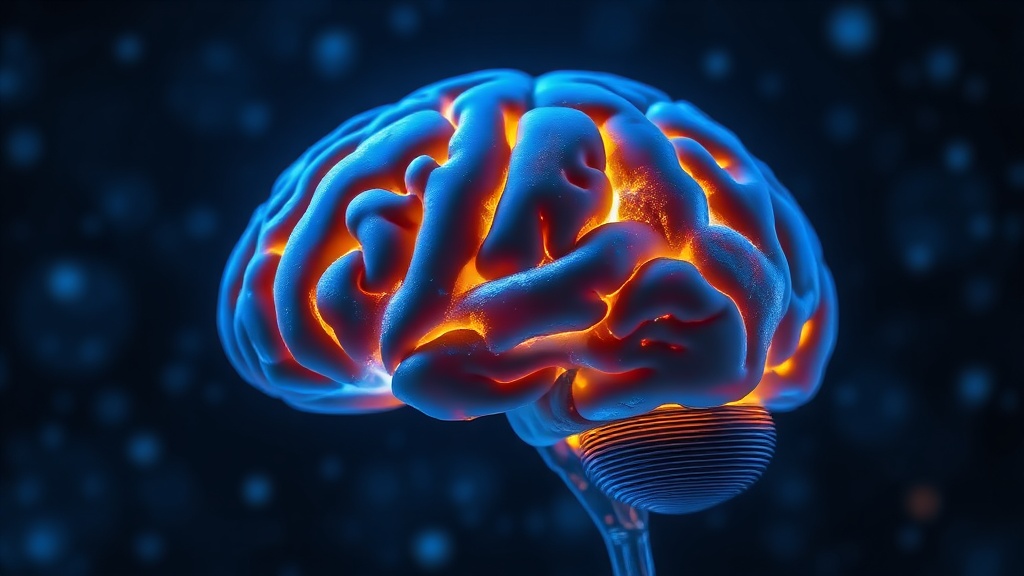
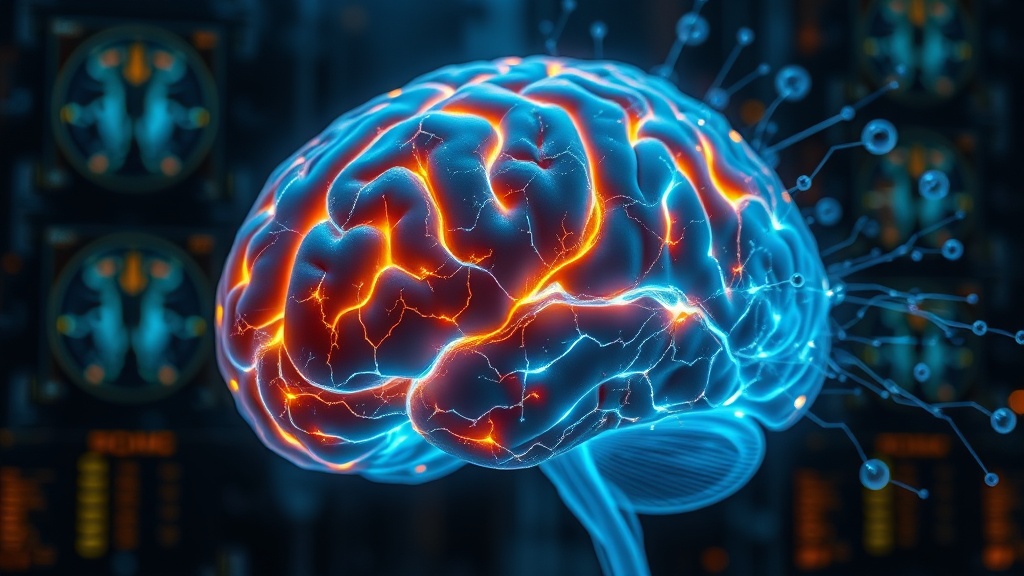
SNIPPET: Prolonged intermittent theta-burst stimulation (piTBS) is an advanced form of non-invasive brain stimulation that may promote consciousness recovery in disorders of consciousness (DOC) patients by reorganizing brain dynamics, strengthening frontoparietal connectivity, and elevating BDNF levels. A pilot RCT found 60% response rates versus 10% for sham, with effects persisting at one-month follow-up.
Prolonged Intermittent Theta-Burst Stimulation: A New Frontier for Consciousness, Cognition, and Neuroplasticity
THE PROTOHUMAN PERSPECTIVE#
There's something unsettling about the boundary between consciousness and its absence. Not philosophically — practically. A person in a minimally conscious state still has neural architecture capable of processing, maybe even experiencing. The question has always been whether we can reach it.
What makes piTBS interesting isn't just the clinical numbers (though a 60% response rate in DOC patients versus 10% for sham is hard to ignore). It's that the mechanism appears to work across multiple layers simultaneously — EEG microstates shift, frontoparietal networks reconnect, BDNF rises in serum. This isn't one pathway being nudged. It's a coordinated reorganization.
For the optimization-minded reader, the implications extend beyond clinical recovery. The same theta-burst protocols are showing cognitive enhancement in healthy adults, motor recovery in Parkinson's disease, and delayed but meaningful improvements in early Alzheimer's. We're looking at a single stimulation paradigm that appears to unlock neuroplasticity across radically different brain states. That deserves attention.
THE SCIENCE#
What Exactly Is Prolonged Intermittent Theta-Burst Stimulation?#
Intermittent theta-burst stimulation (iTBS) is a patterned form of repetitive transcranial magnetic stimulation (rTMS) that delivers bursts of magnetic pulses mimicking the brain's natural theta rhythm (4–7 Hz). Standard iTBS delivers 600 pulses per session. The "prolonged" variant — piTBS — extends this, delivering more pulses or more sessions to amplify the neuroplastic response. The dorsolateral prefrontal cortex (DLPFC) is the most common target, though primary motor cortex (M1) stimulation is used for movement disorders.
What makes iTBS distinctive from conventional rTMS is efficiency. A standard rTMS session takes 20–40 minutes. iTBS achieves comparable or greater long-term potentiation (LTP)-like effects in roughly 3 minutes. That's not a minor logistical detail — it changes the clinical calculus entirely.
The DOC Trial: Waking the Minimally Conscious Brain#
The headline finding comes from a pilot randomized controlled trial published in the European Journal of Medical Research in March 2026 [1]. Twenty patients with disorders of consciousness — a mix of vegetative state and minimally conscious state — received either piTBS or sham stimulation across 10 sessions alongside conventional treatment.
The primary outcome was change in Coma Recovery Scale-Revised (CRS-R) scores. At post-10 sessions (T2), the piTBS group showed a median improvement of 1.00 points versus 0 in the sham group, with a response rate of 60% versus 10%. These gains persisted — and actually increased — at the one-month follow-up (T3), which suggests the stimulation isn't just producing transient arousal but may be initiating a genuine plasticity cascade.
But here's where it gets complicated. n=20 is small. Very small. The kind of small where a couple of outliers can distort everything. I'd want to see this replicated in a multi-center trial with at least 60-80 patients before drawing strong conclusions. The authors are appropriately cautious, calling this "preliminary evidence," and I think that framing is exactly right.
What I find more convincing than the CRS-R numbers alone is the multimodal convergence. EEG analysis revealed piTBS-specific changes: increased duration and coverage of microstate B (associated with visual processing networks), enhanced transitions between microstates D and A/B, reduced current source density in pathological delta/theta bands, and increased alpha activity. PiTBS also strengthened frontoparietal functional connectivity across all frequency bands — a finding consistent with the theory that DOC reflects a disconnection syndrome rather than wholesale neural death [1].
Serum BDNF — brain-derived neurotrophic factor, the molecular currency of neuroplasticity — rose more prominently in the piTBS group. No adverse events were reported.
The Molecular Mechanism: GluN2A and the Spine Factory#
The clinical data tells you what happened. To understand why, we need the preclinical work from Popovic, Dragic, and colleagues at the University of Belgrade, published in Frontiers in Aging Neuroscience [2].
Using a 7-day iTBS600 protocol in rats and GluN2A knockout mice, they found that prolonged iTBS induced robust structural plasticity in hippocampal CA1 neurons. Total dendritic spine density increased, with a selective enhancement of thin spines — sometimes called "learning spines" because they're the ones most amenable to strengthening through experience.
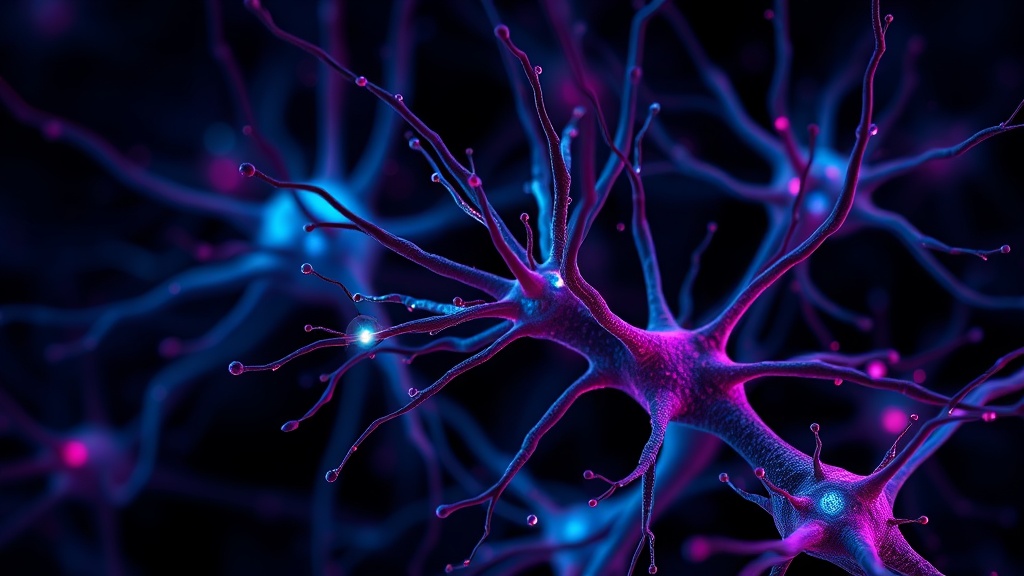
At the synaptic level, they found upregulation of NMDA receptor subunits GluN1 and GluN2A, elevated BDNF, and activation of downstream signaling through Akt, ERK1/2, and mTOR pathways. The mTOR pathway is particularly interesting here — it's the same autophagy-regulating pathway that responds to fasting and rapamycin. When GluN2A was knocked out, the plasticity effects disappeared, confirming this subunit as the critical gatekeeper [2].
They also found enhanced perineuronal net formation around parvalbumin-positive (PV+) interneurons across hippocampal subfields. This is a nuanced finding — perineuronal nets stabilize synaptic connections, essentially "locking in" the plasticity gains. It's the neural equivalent of saving your work.
I think the word "plasticity" is doing too much work in most neurostimulation literature. Here, at least, the Belgrade group is showing something specific: iTBS activates a GluN2A → BDNF → Akt/ERK/mTOR cascade that produces measurable structural changes — more spines, different spine types, stabilized networks. That's a mechanism, not a buzzword.
Cognitive Enhancement Across the Lifespan#
Miller et al. examined iTBS effects on cognition in 53 healthy adults aged 19–73 in a within-subject crossover design, published in Aging, Neuropsychology, and Cognition [3]. Participants received iTBS to both left and right DLPFC across separate sessions.
Brain stimulation reduced reaction times in attention and working memory tasks across all age groups. Working memory accuracy improved specifically after right hemisphere iTBS — supporting lateralized optimization of visuospatial storage. Attention improvements weren't hemisphere-dependent, suggesting a more generalized facilitation of top-down processing.
This reminds me of something from the attentional blink literature — different context, but the pattern holds: stimulation seems to reduce the cost of attentional bottlenecks rather than expanding raw capacity. What does this actually feel like? The studies don't say, and I wish they would.
Parkinson's Disease: Motor Cortex as Target#
A separate randomized, double-blind, sham-controlled crossover trial in 17 Parkinson's patients (Hoehn-Yahr stage II–III) tested bilateral M1 iTBS over 5 consecutive days [4]. Real iTBS produced more than twice the therapeutic benefit of sham on MDS-UPDRS Part III motor scores. Responders (>20% improvement) showed a mean 9-point improvement.
Critically, responders exhibited increased serum BDNF and an increase in left ventral diencephalon volume — a structural brain change that was the strongest predictor of clinical response. This suggests iTBS may promote actual volumetric changes, not just functional shifts [4].
Alzheimer's and MCI: The Delayed Effect#
In 52 participants with amnestic MCI or very mild Alzheimer's, 10 sessions of iTBS targeting the left DLPFC produced significant cognitive improvements — but only at week 6, not immediately after stimulation [5]. This delayed enhancement pattern is consistent with the idea that iTBS initiates plasticity cascades that take weeks to consolidate.
The study also assessed glymphatic system activity via DTI-ALPS index but found no significant changes, leaving the waste-clearance hypothesis unconfirmed for now [5].
Post-Stroke Cognitive Recovery#
Li et al. randomized 80 subacute stroke patients to iTBS or sham stimulation over 4 weeks [6]. At 3 months, the iTBS group showed significantly better MMSE scores (25.35 vs. 20.44, P < 0.001), MoCA scores (26.49 vs. 24.57, P = 0.002), and quality of life measures. BDNF increased while inflammatory markers TNF-α and IL-6 decreased. The BDNF-MMSE correlation (r = 0.58, P < 0.001) reinforces the neuroplasticity-mediated recovery model [6].
Post-Stroke Cognitive Scores: iTBS vs. Control at 3 Months
COMPARISON TABLE#
| Method | Mechanism | Evidence Level | Cost | Accessibility |
|---|---|---|---|---|
| piTBS (prolonged iTBS) | Extended theta-burst pulses to DLPFC; GluN2A/BDNF/mTOR cascade | Pilot RCTs (n=20–80); preclinical | $150–400/session (clinical) | Specialized neuromodulation clinics |
| Standard iTBS (600 pulses) | Shorter theta-burst protocol; LTP-like cortical excitability | Multiple RCTs; FDA-cleared for depression | $100–300/session | Psychiatric and neuro clinics |
| Conventional rTMS (10 Hz) | Repetitive single-pulse stimulation; cortical excitability | Large RCT base; FDA-cleared | $200–500/session | Widely available |
| tDCS (transcranial direct current) | Weak electrical current; shifts neuronal firing threshold | Mixed evidence; inconsistent replication | $30–80 (home devices) | Home-use devices available |
| Pharmacological (donepezil, memantine) | Cholinesterase inhibition / NMDA modulation | Large RCTs; standard of care for AD | $10–50/month (generic) | Any prescriber |
THE PROTOCOL#
Note: iTBS is a clinical procedure requiring trained operators and specialized equipment. The following reflects the protocols used in the research literature. This is not a DIY procedure.
-
Identify your clinical context and target. For cognitive enhancement or DOC recovery, the left DLPFC is the primary target (F3 position in 10-20 EEG system). For motor recovery (Parkinson's), bilateral primary motor cortex (M1) is used. Accurate targeting requires neuronavigation or at minimum the Beam F3 localization method.
-
Establish motor threshold. Before any iTBS session, determine resting motor threshold (RMT) using standard EMG measurement from the contralateral first dorsal interosseous muscle. Stimulation intensity is typically set at 80% of RMT.
-
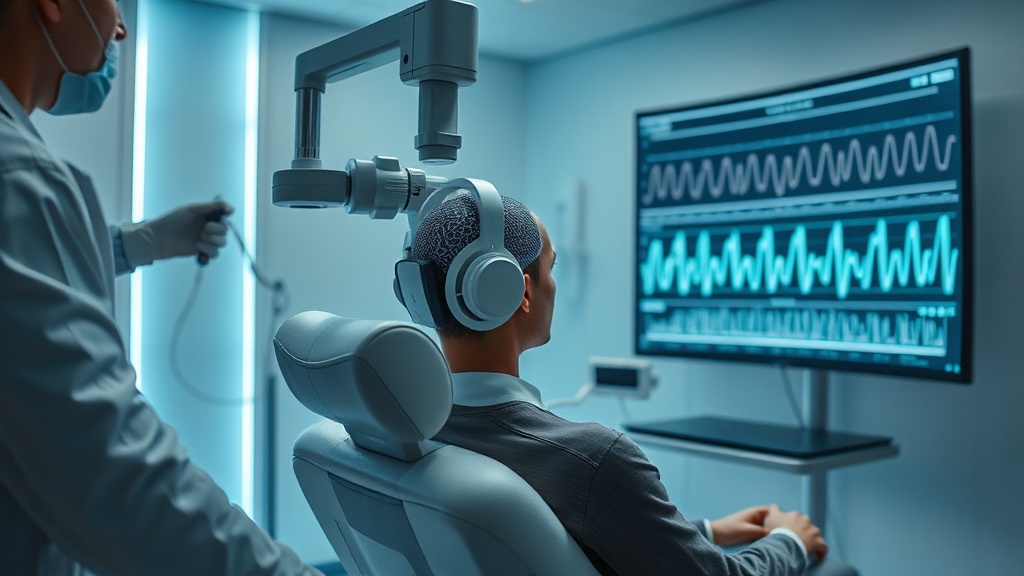
Configure the stimulation parameters. Standard iTBS delivers triplet bursts at 50 Hz, repeated at 5 Hz, with 2 seconds on and 8 seconds off. A standard 600-pulse session takes approximately 3 minutes and 20 seconds. Prolonged protocols (piTBS) may extend to 1200+ pulses or multiple daily sessions.
-
Adhere to the treatment schedule. Based on the reviewed trials: 10 sessions over 2 weeks is the most common dosing schedule for cognitive and consciousness applications [1][5]. For Parkinson's, 5 consecutive daily sessions showed benefit [4]. For post-stroke recovery, 4 weeks of daily stimulation was used [6].
-
Monitor biomarkers if possible. Serum BDNF measurement before and after the treatment course provides a biological readout of neuroplastic response. EEG changes (increased alpha, reduced pathological delta/theta) offer a non-invasive assessment of functional brain reorganization.
-
Expect delayed effects. The Alzheimer's/MCI trial showed cognitive gains emerging at week 6, not immediately [5]. The DOC trial showed greater improvement at one-month follow-up than immediately post-treatment [1]. Do not assess efficacy based solely on acute post-session response.
-
Combine with conventional rehabilitation. Every trial reviewed used iTBS as an adjunct to standard care — not a replacement. Physical therapy for Parkinson's, cognitive rehabilitation for stroke, conventional medical management for DOC. The stimulation appears to open a plasticity window that other interventions can exploit.
Related Video
What is the difference between iTBS and standard rTMS?#
iTBS delivers patterned bursts that mimic natural theta rhythms, achieving LTP-like plasticity effects in about 3 minutes versus 20–40 minutes for conventional rTMS. The efficiency gain isn't just about convenience — shorter sessions mean less patient fatigue and the possibility of multiple daily sessions, which may compound the neuroplastic effect. Both are FDA-cleared for depression, but iTBS is increasingly studied for broader neurological applications.
Who is a candidate for theta-burst stimulation therapy?#
Based on current evidence, candidates include patients with disorders of consciousness, post-stroke cognitive impairment, mild cognitive impairment or early Alzheimer's disease, and Parkinson's disease (motor symptoms). Healthy adults have also shown cognitive benefits, though clinical protocols for enhancement in non-clinical populations aren't established. Contraindications include epilepsy history, metallic implants near the stimulation site, and certain cardiac devices.
How long do the cognitive effects of iTBS last?#
Honestly, we don't fully know yet. The DOC trial showed benefits persisting and even growing at one-month follow-up [1]. The MCI/AD trial found delayed improvements at week 6 [5]. The post-stroke trial maintained benefits at 3 months [6]. But long-term durability beyond these windows hasn't been systematically studied. Maintenance sessions may be necessary — this is an open question the field needs to address.
Why does iTBS increase BDNF levels, and why does that matter?#
BDNF is the brain's primary growth factor for synaptic plasticity — it supports the survival of existing neurons and encourages growth of new synapses. The preclinical data from Popovic et al. shows iTBS activates a specific signaling cascade: GluN2A receptor → BDNF release → Akt/ERK/mTOR pathway activation → dendritic spine growth [2]. In human studies, serum BDNF increases correlate with clinical improvement (r = 0.58 in the stroke trial) [6]. It's one of the most consistent biomarkers across iTBS studies.
When will iTBS be available outside specialized clinics?#
Standard iTBS is already available in many psychiatric clinics for treatment-resistant depression. For neurological applications — DOC, stroke, Parkinson's, Alzheimer's — it remains largely investigational. I'd expect broader clinical adoption within 3–5 years for post-stroke cognition, given the strength of the Li et al. data [6]. Home-use theta-burst devices don't currently exist at therapeutic intensities, and I'm skeptical of consumer tDCS devices claiming equivalent effects.
VERDICT#
7.5/10
The convergence of evidence is what elevates this above typical neurostimulation hype. We have a plausible molecular mechanism (GluN2A/BDNF/mTOR), consistent BDNF elevation across multiple human trials, multimodal EEG changes that make neurophysiological sense, and clinical improvements in populations ranging from minimally conscious patients to healthy adults. The safety profile across all reviewed studies is clean — no adverse events reported in any trial.
The catch, though: sample sizes remain small. The flagship DOC trial had 20 patients. The Parkinson's trial had 17. These are pilot studies, and the field needs the multi-center, adequately powered confirmatory trials that turn promising signals into clinical standards. I'm less convinced by the glymphatic system angle — the null finding in the Alzheimer's trial [5] suggests that particular mechanism may not pan out, or at least isn't detectable with current imaging.
What I find genuinely exciting is the efficiency. Three minutes of stimulation producing structural brain changes and sustained clinical benefit weeks later — if this replicates at scale, it changes rehabilitation medicine. For now, the evidence supports cautious optimism. Not a revolution yet, but something worth watching very closely.
References
- 1.Author(s) not listed. Neuroplasticity underlying prolonged intermittent theta-burst stimulation in the regulation of disorders of consciousness: pilot randomized controlled trial. European Journal of Medical Research (2026). ↩
- 2.Popovic D, Zaric Kontic M, Zeljkovic Jovanovic M, Milosevic M, Dragic M. Prolonged intermittent theta burst stimulation enhances hippocampal plasticity via GluN2A-mediated signaling. Frontiers in Aging Neuroscience (2026). ↩
- 3.Miller A. Task-dependent cognitive effects of intermittent theta-burst stimulation across the adult lifespan. Aging, Neuropsychology, and Cognition (2026). ↩
- 4.Author(s) not listed. Plasticity-Induced Motor Recovery of Bilateral Intermittent Theta Burst Stimulation in Parkinson's Disease: A Randomized, Double-Blind, Sham-Controlled, Crossover Trial. Neurology and Therapy (2026). ↩
- 5.Author(s) not listed. Effects of intermittent theta-burst stimulation on cognition and glymphatic system activity in mild cognitive impairment and very mild Alzheimer's disease: a randomized controlled trial. Journal of NeuroEngineering and Rehabilitation (2025). ↩
- 6.Li F, Hu F, Liang Y, Liang F, Tan H, Xing S. A randomized controlled study on intermittent theta pulse stimulation for improving cognitive impairment after stroke. Frontiers in Neurology (2025). ↩
Fen Adler
Fen writes with psychological nuance and a slightly meandering quality that feels human. He'll start pursuing one idea, realize it connects to something else, and follow it briefly before returning: 'This reminds me of something from the attentional blink literature — different context, but the pattern holds.' He's interested in the experience, not just the mechanism, which means he'll occasionally ask: 'What does this actually feel like?' when discussing neurological effects.
View all articles →