TMS Depression Treatment: Positive Bias Mechanism Explained

THE PROTOHUMAN PERSPECTIVE#
Here's what caught my attention about this research: we've been treating depression with TMS for years, but the honest truth is we haven't really understood why it works when it works. The dominant model was essentially "stimulate the left prefrontal cortex, restore resting-state connectivity, hope for the best." That's not a mechanism — that's a prayer with electromagnetic pulses.
What Sarrazin and colleagues have done is reframe TMS from a blunt instrument into something with a readable cognitive signature. The brain isn't just calming down under TMS — it's actively relearning how to weight positive information. For anyone optimizing cognitive-emotional performance, this matters enormously. It suggests that the architecture of mood isn't just about serotonin levels or default mode network chatter. It's about how your brain selects what to process. And that selection process appears to be trainable — not through willpower, not through affirmations, but through targeted electromagnetic modulation of specific cortical circuits. That's a fundamentally different conversation about what depression is and how performance-oriented humans might intervene earlier.
THE SCIENCE#
What TMS Actually Does to Emotional Processing#
Transcranial magnetic stimulation (TMS) is an FDA-cleared, non-invasive brain stimulation therapy targeting the left dorsolateral prefrontal cortex (DLPFC) for treatment-resistant major depressive disorder (MDD). It matters because roughly 30% of depressed patients fail first-line pharmacotherapy, and TMS offers response rates between 50–65% in this population[1][2]. According to Sarrazin et al. (2026), TMS treatment induces a quantifiable shift in emotional cognitive bias — increasing the brain's focus on positive versus negative information — a finding with 1,372 accesses within weeks of publication[1]. Leading researchers at Oxford, the University of São Paulo, and UCLA have converged on related findings, giving this mechanism real weight.
The central study here enrolled 49 patients with major depression who received 20 daily sessions of high-frequency rTMS to the left DLPFC. What the researchers measured wasn't just symptom reduction on a depression scale — they tracked how the brain processed emotional information during treatment using task-related fMRI[1].
The results were striking. Patients who responded to TMS showed a significant positive bias shift in the rostral anterior cingulate cortex (rACC), along with increased positive bias in task-related functional connectivity between the rACC and other regions. Critically, this shift appeared early during treatment — before full symptom resolution — and predicted eventual clinical response beyond what early symptom reduction alone could explain[1].
I think the word "bias" is doing important work here that's easy to miss. We're not talking about patients suddenly becoming unrealistically optimistic. The rACC is involved in conflict monitoring and emotional regulation — it helps decide which emotional signals get amplified and which get dampened. What TMS appears to do is recalibrate that gating function. The brain starts letting positive signals through more readily while attenuating the negative rumination loop.
And here's the kicker: Sarrazin et al. suggest this mechanism may be neurally distinct from how antidepressant medications work[1]. The neuropsychological theory of antidepressant action was developed from medication studies, and while SSRIs also shift emotional bias, they appear to do so through different neural pathways. TMS seems to operate more directly on cortical emotion-processing circuits rather than through bottom-up monoamine modulation.
Protocol-Specific Neural Engagement#
But here's where it gets complicated. Not all TMS is created equal.
Valles et al. (2026) used a TMS-EEG interrogation paradigm on 16 MDD patients, comparing rhythmic stimulation (standard 10 Hz) with patterned protocols like intermittent theta burst stimulation (iTBS)[2]. Their findings were revealing: patterned and rhythmic TMS engage distinct brain regions in a protocol- and frequency-dependent manner. Stimulation frequencies above 7 Hz produced widespread changes in EEG power and connectivity, while source localization showed both protocols increased effective connectivity to the orbitofrontal cortex — but through different theta and beta response bands[2].
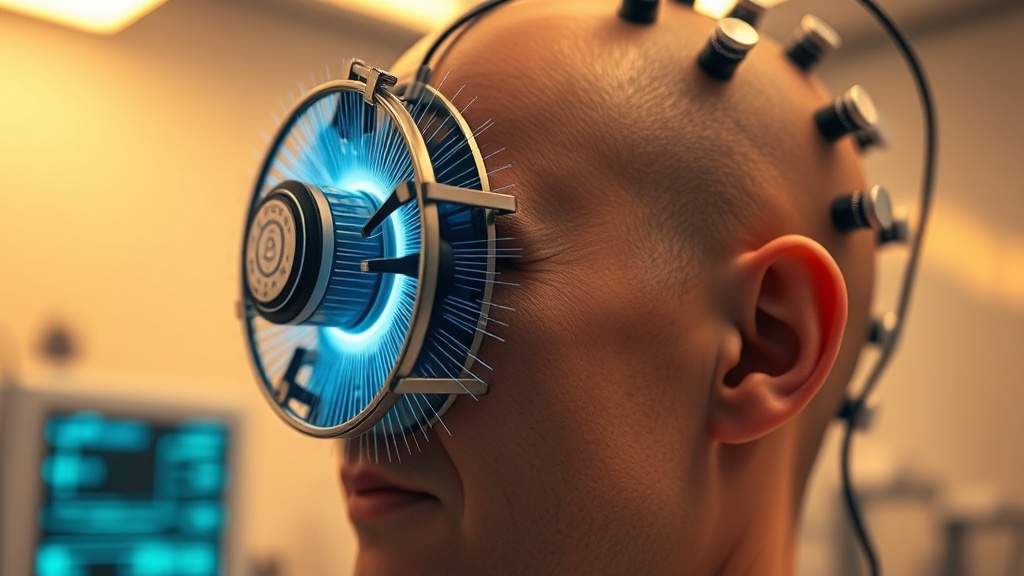
This means the positive bias mechanism identified by Sarrazin et al. might be differentially activated depending on which TMS protocol you use. We don't yet have the data linking specific protocols to specific cognitive bias shifts — I'd want to see that study before changing any protocol recommendations — but the implication is clear: personalization will matter.
The Cognitive Biotype Connection#
Tozzi et al. (2024) identified what they call a "cognitive biotype" of depression, present in roughly 27% of depressed individuals, characterized by impaired cognitive control and dysfunction in the dLPFC-dACC circuit[3]. In their B-SMART-fMRI trial with 43 veterans, patients matching this cognitive biotype showed significant functional and behavioral improvement after TMS, while those without the biotype did not demonstrate significant changes[3].
This is a precision psychiatry finding. It suggests that TMS works best when there's a specific circuit-level dysfunction to correct — and that dysfunction appears to overlap with the emotional processing circuits Sarrazin identified. The dLPFC talks to the rACC. When that conversation is disrupted, both cognitive control and emotional bias suffer. TMS may be restoring that dialogue.
BDNF and Neuroplasticity — The Complicated Part#
I'm less convinced by the BDNF story. Ginelli et al. (2025) found that rTMS significantly reduced HAM-D scores (p < 0.001) and CGI scores (p < 0.001) compared to controls in treatment-resistant patients, which is solid[4]. But BDNF levels didn't change significantly. The authors speculate about compensatory downregulation — that neuroplastic changes might trigger feedback mechanisms reducing BDNF synthesis — but the honest answer is the sample was too small and the BDNF measurement too coarse to draw firm conclusions[4].
What is useful from this study: they confirmed rTMS improved cognitive outcomes alongside mood symptoms, and found an association between lifetime suicide attempts and lower cognitive functioning[4]. The cognitive improvement piece dovetails with Tozzi's biotype work — TMS isn't just lifting mood, it's restoring cognitive function.
Gamma Stimulation and Self-Evaluation#
One more piece of the puzzle. Yao et al. (2025) tested 40 Hz gamma transcranial alternating current stimulation (tACS) — a different technology from TMS, but targeting a related mechanism — on 60 participants with subthreshold depression[5]. After 20 minutes of stimulation over the medial prefrontal cortex, participants with higher baseline depressive symptoms showed increased endorsement and recall of positive personality traits compared to sham (p < 0.05)[5].
This is a double-blind, sham-controlled design, which I appreciate. And the finding connects to Sarrazin's work: positive bias shifts aren't unique to TMS. They may represent a shared downstream mechanism across brain stimulation modalities. The mPFC and rACC are anatomically and functionally linked. What does this actually feel like? Based on the self-referential encoding task data, it's not that participants suddenly felt euphoric — they were more likely to identify positive traits as self-descriptive and then remember those traits. A quiet recalibration of self-concept.
TMS Response and Remission Rates in Treatment-Resistant Depression
COMPARISON TABLE#
| Method | Mechanism | Evidence Level | Cost | Accessibility |
|---|---|---|---|---|
| rTMS (10 Hz, left DLPFC) | Positive emotional bias shift via rACC modulation; cortical excitability increase | Multiple RCTs, meta-analyses; response rates 50–65% | $6,000–$12,000 per course (often insurance-covered) | FDA-cleared; available at specialized clinics |
| iTBS (Theta Burst) | Patterned stimulation engaging distinct frequency-dependent circuits; orbitofrontal connectivity | Growing RCT evidence; comparable efficacy to 10 Hz in head-to-head trials | Similar to standard rTMS; shorter sessions (3 min vs 37 min) | FDA-cleared; increasingly available |
| 40 Hz tACS (Gamma) | Gamma oscillation entrainment over mPFC; positive self-referential processing enhancement | Early-stage; small sham-controlled trials (n=60) | $200–$500 per device (consumer); $2,000+ clinical | Research settings; some consumer devices available |
| SSRIs (e.g., Sertraline) | Serotonin reuptake inhibition; bottom-up emotional bias shift via amygdala pathways | Extensive RCT base; ~60–70% response in non-resistant MDD | $10–$50/month generic | Universally available via prescription |
| Accelerated TMS (Stanford/SAINT) | Intensive iTBS protocol (multiple daily sessions over 5 days); rapid circuit engagement | Phase II/III trials; ~80% response rate in open-label data | $10,000–$25,000 | Limited availability; specialized centers only |
THE PROTOCOL#
Based on current evidence, here is a structured approach for individuals considering TMS for depression — particularly those who haven't responded adequately to medication.
Step 1: Establish Clinical Eligibility and Baseline Assessment Confirm a diagnosis of major depressive disorder with inadequate response to at least one antidepressant trial. Request baseline cognitive testing (attention, working memory, executive function) and a standardized depression measure (HAM-D or PHQ-9). This baseline is essential — Tozzi et al.'s work suggests cognitive biotype status may predict who benefits most from TMS[3].
Step 2: Discuss Protocol Selection with Your Clinician The two standard FDA-cleared protocols are 10 Hz repetitive TMS (37-minute sessions) and intermittent theta burst stimulation (3-minute sessions). Based on Valles et al.'s EEG data, these engage overlapping but distinct neural circuits[2]. If cognitive symptoms (poor concentration, decision fatigue, mental fog) are prominent, flag this — the cognitive biotype data suggests these patients may be especially responsive[3].
Step 3: Commit to the Full Treatment Course Standard treatment involves 20–30 daily sessions (weekdays) over 4–6 weeks. Sarrazin et al.'s data shows that the positive bias shift emerges early in treatment but predicts sustained response[1]. Do not discontinue after a few sessions because you feel nothing dramatic — the cognitive recalibration is subtle and cumulative. Early treatment changes may not register as "feeling better" in the way you expect.
Step 4: Track Emotional Processing, Not Just Mood Keep a brief daily log noting: How did you interpret ambiguous social situations today? Did you notice positive events? Could you recall them at day's end? This mirrors the emotional bias paradigm used in the research. The shift toward positive processing may be detectable in daily experience before formal mood scores change.

Step 5: Request Mid-Treatment Assessment Around session 10, ask for a repeat of your baseline mood and cognitive measures. Sarrazin et al. found that positive bias changes at this midpoint were predictive of eventual outcome[1]. If no shift is apparent, this is the appropriate time to discuss protocol adjustments — potentially switching from 10 Hz to iTBS or vice versa.
Step 6: Consider Maintenance Protocols After completing the acute course, discuss tapering sessions (weekly, then biweekly) with your provider. Relapse prevention data for TMS is still evolving, but the neural mechanism identified here — sustained positive bias in rACC connectivity — provides a rational target for maintenance monitoring.
Step 7: Complementary Optimization If you choose to supplement TMS with lifestyle interventions, prioritize sleep hygiene (7–9 hours, consistent schedule) and aerobic exercise (150 minutes/week). Both independently influence prefrontal cortex function and may potentiate TMS effects on emotional processing circuits. Avoid introducing new medications during the acute TMS phase unless clinically necessary, as pharmacological interactions with TMS-induced neuroplasticity are not yet well characterized.
Related Video
What is the positive bias mechanism in TMS treatment for depression?#
The positive bias mechanism refers to a measurable shift in how the brain processes emotional information during TMS treatment. According to Sarrazin et al. (2026), TMS increases activity and connectivity in the rostral anterior cingulate cortex (rACC) during emotional processing tasks, making the brain more responsive to positive versus negative stimuli. This isn't forced optimism — it's a recalibration of the brain's emotional gating system.
How quickly does TMS start changing emotional processing?#
Based on the Sarrazin et al. data, the positive bias shift appears early during the standard 20-session treatment course — potentially within the first two weeks — and predicts eventual clinical response beyond what initial symptom reduction alone would suggest[1]. However, subjective mood improvement may lag behind these measurable neural changes. I'd encourage patience through the first 10 sessions.
Who is most likely to benefit from TMS for depression?#
Tozzi et al. (2024) identified a "cognitive biotype" present in approximately 27% of depressed individuals, characterized by dysfunction in the dLPFC-dACC circuit and impaired cognitive control[3]. These patients appear particularly responsive to TMS. More broadly, TMS is indicated for patients with treatment-resistant depression — those who haven't responded to at least one adequate antidepressant trial — with response rates of 50–65%[1][2].
Why might TMS work differently from antidepressant medications?#
Sarrazin et al. propose that TMS-induced positive bias shifts may be "neurally distinct from antidepressant drugs"[1]. While SSRIs also shift emotional processing biases, they appear to do so primarily through bottom-up serotonergic modulation of subcortical structures like the amygdala. TMS, by contrast, acts top-down through direct cortical stimulation of the DLPFC and its connections to the rACC. Both reach a similar endpoint — improved emotional processing — but through different neural routes.
How does 40 Hz gamma stimulation relate to TMS for depression?#
Gamma-frequency transcranial alternating current stimulation (tACS) at 40 Hz targets similar emotional processing circuits but through oscillatory entrainment rather than magnetic pulses. Yao et al. (2025) showed that 40 Hz tACS over the medial prefrontal cortex enhanced positive self-referential processing in individuals with subthreshold depression[5]. This suggests positive bias modulation may be a shared mechanism across brain stimulation approaches, though tACS research is still at an earlier stage than TMS.
VERDICT#
Score: 8/10
The Sarrazin et al. study fills a genuine gap — we've had TMS in clinical use for over a decade without a clear cognitive mechanism explaining how it lifts mood. The positive emotional bias framework is elegant, testable, and clinically useful. The fact that early bias shifts predict later outcomes opens the door to mid-treatment decision-making, which is exactly what precision psychiatry needs.
I'm docking points for sample size (n=49 is reasonable but not definitive), the absence of a sham control in the primary study's design, and the fact that we still don't know how protocol selection (10 Hz vs iTBS) maps onto this mechanism. The supporting evidence — Tozzi's cognitive biotype work, Yao's gamma tACS data, Valles' protocol differentiation findings — creates a coherent picture, but each piece has its own limitations. Ginelli's BDNF null finding is a reminder that the neuroplasticity story is messier than we'd like.
Still, this represents the most mechanistically specific account of TMS action I've seen in the depression literature. The distinction from antidepressant drug mechanisms is particularly important — it suggests TMS isn't just a non-pharmacological SSRI. It's doing something different at the circuit level. That's worth paying attention to.
References
- 1.Sarrazin V, Suen P, Cavendish B, Martens M, Rodrigues da Silva PH, Britto A, Rassi M, Baptista M, Brunoni AR, O'Shea J. Positive bias in brain and behaviour as a mechanism of transcranial magnetic stimulation depression treatment. Molecular Psychiatry (2026). ↩
- 2.Valles TE, Shamas M, Hawkins H, Matthews C, Ngo D, Peltekian H, Artin H, Distler MG, DeYoung DZ, Einstein EH, Ginder ND, Koek RJ, Krantz DE, Leuchter MK, Oughli HA, Leuchter AF. Differential neural responses to rhythmic and patterned TMS protocols: Insights from EEG spectral analysis. Neuropsychopharmacology (2026). ↩
- 3.Tozzi L, Bertrand C, Hack LM, Lyons T, Olmsted AM, Rajasekharan D, Chen T, Berlow YA, Yesavage JA, Lim K, Madore MR, Philip NS, Williams LM. A cognitive neural circuit biotype of depression showing functional and behavioral improvement after transcranial magnetic stimulation in the B-SMART-fMRI trial. Nature Mental Health (2024). ↩
- 4.Ginelli E, Sanna L, Paribello P, Isayeva U, Corona G, Zai CC, Manca D, Iaselli MN, Collu R, Pinna F, Scherma M, Manchia M, Fadda P, Carpiniello B. Impact of repetitive transcranial magnetic stimulation on clinical and cognitive outcomes, and brain-derived neurotrophic factor levels in treatment-resistant depression. Frontiers in Psychiatry (2025). ↩
- 5.Yao Z, Tu PY, Zuo X, Wei J, Hu X. Modulating positive self-referential processing by 40 Hz tACS in individuals with subthreshold depression: A double-blind, sham-controlled study. Journal of Psychiatric Research (2025). ↩
Fen Adler
Fen writes with psychological nuance and a slightly meandering quality that feels human. He'll start pursuing one idea, realize it connects to something else, and follow it briefly before returning: 'This reminds me of something from the attentional blink literature — different context, but the pattern holds.' He's interested in the experience, not just the mechanism, which means he'll occasionally ask: 'What does this actually feel like?' when discussing neurological effects.
View all articles →