Blood Biomarkers for Biological Aging: Proteomic Clocks Explained

THE PROTOHUMAN PERSPECTIVE#
Your blood is talking. Not metaphorically — it's broadcasting a real-time molecular status report on how fast every organ in your body is aging. And for the first time, we have the tools to listen with organ-level specificity.
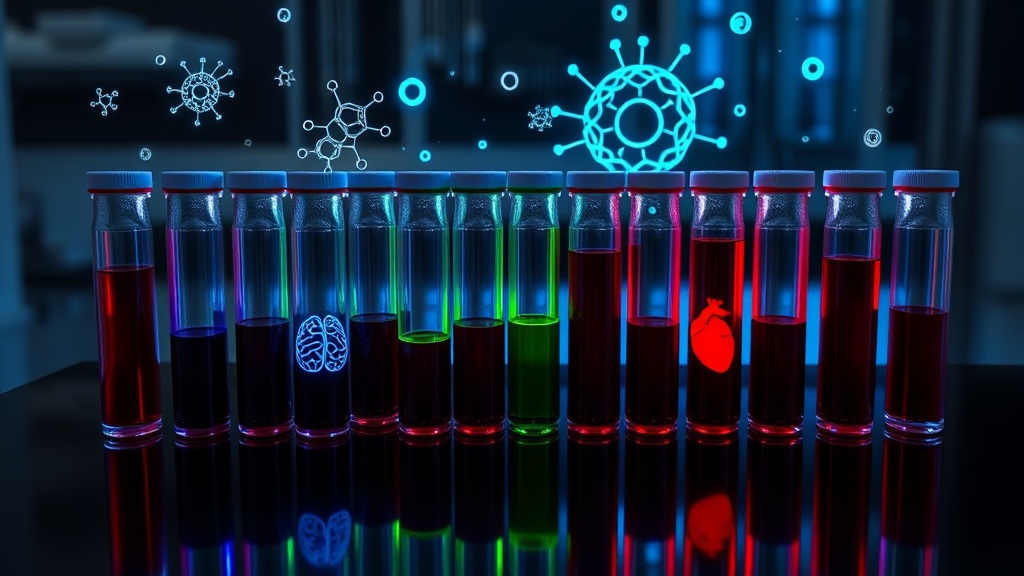
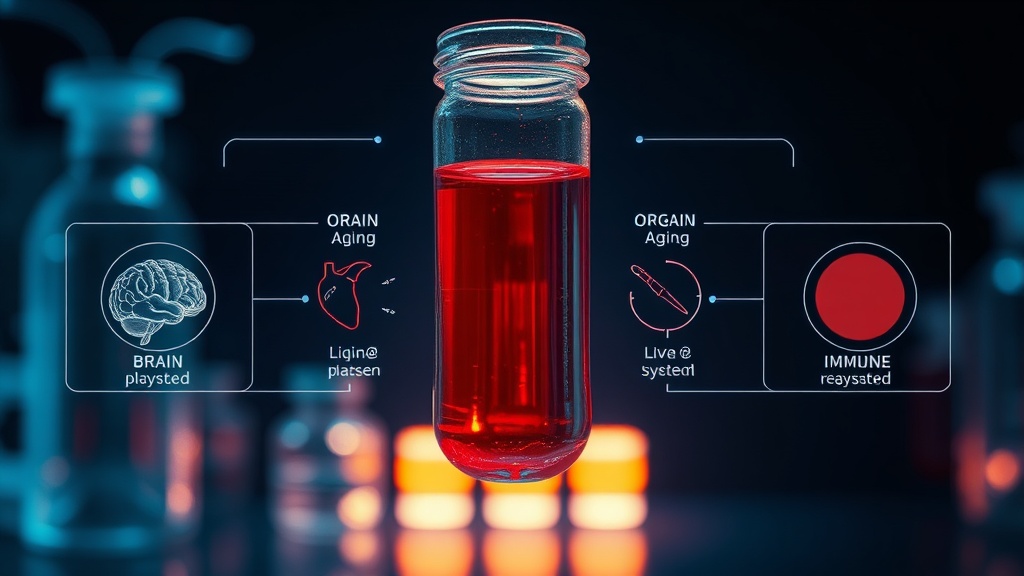
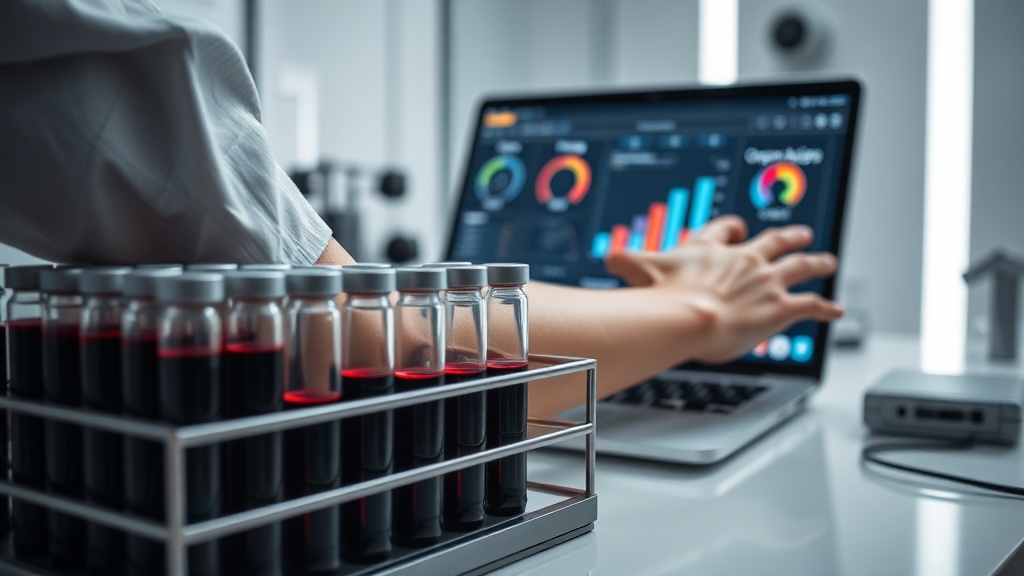
This matters because the longevity field has been stuck in a frustrating loop: people want to know their "real" biological age, but most available tests give a single number that obscures as much as it reveals. The shift toward organ-specific proteomic aging clocks changes the game entirely. Instead of one opaque score, you get a dashboard — brain age, immune age, arterial age — each carrying distinct disease risk profiles and, critically, each responding differently to interventions.
For anyone serious about performance optimization, this isn't theoretical. It's the difference between blindly supplementing NAD+ precursors and knowing whether your brain is aging faster than your immune system. The protocols that follow from that distinction are fundamentally different. The data is finally catching up to the ambition.
THE SCIENCE#
Organ-Specific Aging Is Not a Single Number#
The idea that you have "a" biological age is, honestly, a useful simplification that's starting to outlive its usefulness. Work published in Nature Medicine by Oh et al. estimated the biological age of 11 separate organs using plasma proteomics data from 44,498 UK Biobank participants, measuring 2,916 circulating proteins[2]. The findings are striking: having an especially aged brain carried an Alzheimer's disease hazard ratio of 3.1 — comparable to carrying one copy of APOE4, the strongest known genetic risk factor for sporadic Alzheimer's. A youthful brain, conversely, provided a protective HR of 0.26, rivaling the effect of two copies of APOE2[2].
But here's where it gets interesting for the longevity-obsessed crowd. Accumulating aged organs didn't just add risk linearly — it compounded. Individuals with 2–4 aged organs showed a mortality HR of 2.3. Those with 8+ aged organs? HR of 8.3[2]. Meanwhile, having youthful brain and immune systems together dropped mortality risk to an HR of 0.44. The brain and immune system appear to be the two organs that matter most for longevity, which is annoying, actually, because they're among the hardest to directly intervene on.
Parallel work published in Nature Aging by another group validated organ-specific proteomic clocks across three independent cohorts — UK Biobank (n = 43,616), a Chinese cohort (n = 3,977), and a US cohort (n = 800) — achieving cross-cohort correlations of r = 0.98 and 0.93[5]. Brain aging was again the strongest predictor of mortality. The brain clock further stratified Alzheimer's risk across APOE haplotypes, and a "super-youthful" brain appeared to confer resilience even against APOE4 carriership[5].
The 7-Biomarker Clinical Clock: Simplicity That Actually Works#
Not everyone has access to 2,916-protein proteomic panels. Meyer, Mejia, and colleagues developed a sex-adjusted clinical aging clock based on just seven routine blood biochemistry markers from 59,741 healthy samples in a Southeast Asian cohort[4]. Using a novel correction method that addresses systematic prediction skew inherent in first-generation clocks, they achieved a mean absolute error of 7.89 years with a Pearson correlation of 0.66 on hold-out data[4].
Seven biomarkers. Standard blood panel. Clinically actionable. The clock improved accuracy for disease-driven and organ-specific aging predictions without requiring mortality data for calibration — a meaningful methodological advance given the ethical and practical limitations of mortality-dependent training[4].
I'll be honest: a MAE of nearly 8 years isn't going to satisfy the quantified-self crowd wanting precision to the month. But for population-level screening and translational preventive medicine, this is exactly the kind of accessible, low-cost tool that could actually get deployed at scale.
Plasmapheresis: The Intervention That Disappointed#
Now for the part that's going to frustrate people who already bought into the "young blood" narrative. A crossover trial published in Scientific Reports tested plasmapheresis — plasma separation without replacement with young plasma or albumin — in healthy blood donors[1]. Participants underwent either 4 or 8 sessions over 18 weeks.
The procedure did what you'd expect mechanistically: it reduced circulating lipids (total cholesterol, non-HDL, triglycerides, apolipoprotein A), total proteins, and albumin[1]. Red Cell Distribution Width and Mean Corpuscular Hemoglobin Concentration both increased, suggesting hematologic stress responses.
But the epigenetic clocks told a different story entirely. No significant rejuvenation was observed. Instead, plasmapheresis was associated with increases in DNAmGrimAge, the Hannum clock, and the Dunedin Pace of Aging[1]. Let me say that more plainly: by the most established epigenetic measures, simple plasmapheresis without replacement may have accelerated biological aging in this cohort.
The problem with this trial, from my perspective, is that removing plasma without adequate replacement likely triggers compensatory physiological stress — increased protein synthesis demands, altered mineral homeostasis, potential autophagy pathway disruption — that registers as accelerated aging on methylation-based clocks. You're removing molecules indiscriminately, including protective factors.
Therapeutic Plasma Exchange With IVIG: A Different Story#
The contrast with the Fuentealba et al. trial from the Buck Institute is telling. Their randomized, placebo-controlled study in healthy adults over 50 tested various therapeutic plasma exchange (TPE) regimens — bi-weekly TPE with or without intravenous immunoglobulin (IVIG), monthly TPE, or placebo[6].
TPE-IVIG proved most effective, with 15 epigenetic clocks showing rejuvenation compared to placebo (FDR < 0.05)[6]. The multi-omics analysis — spanning lipidomics, proteomics, metabolomics, and cytomics — revealed coordinated changes in inflammation markers and immune function. Integrative analysis identified baseline biomarkers predictive of positive outcomes, suggesting TPE-IVIG is particularly beneficial for individuals with poorer initial health status[6].
This is the first multi-omics study to compare various TPE modalities head-to-head against placebo for epigenetic age reversal. The key differentiator appears to be the IVIG component — replacing removed immunoglobulins rather than just stripping plasma — which aligns with the hypothesis that indiscriminate removal without replacement is what makes naked plasmapheresis counterproductive.
Exercise: The Boring Answer That Keeps Being Right#
Using data from 45,438 UK Biobank participants, researchers found that higher proteomic aging scores (ProtAgeGap) were linked to lower physical activity and increased type 2 diabetes risk[3]. In a 12-week supervised exercise study (MyoGlu) in 26 men, ProtAgeGap decreased by the equivalent of 10 months[3].
The protein CLEC14A changed with exercise and was linked to improved insulin sensitivity. Transcriptomic data from muscle and adipose tissue implicated PI3K-Akt and MAPK signaling pathways — core regulators of cellular growth, autophagy, and metabolic adaptation[3].
Ten months of proteomic age reversal from 12 weeks of structured exercise. No plasma exchange. No infusions. Just movement. I'd want to see this replicated in a larger mixed-gender cohort before getting too excited, but the signal is consistent with basically everything we know about exercise and aging biology.
Mortality Hazard Ratios by Number of Aged Organs
COMPARISON TABLE#
| Method | Mechanism | Evidence Level | Cost | Accessibility |
|---|---|---|---|---|
| Organ-Specific Proteomic Clocks (2,916 proteins) | Plasma protein quantification of organ-enriched markers via Olink panel | Large cohort validation (n > 44,000), Nature Medicine/Nature Aging | $1,500–3,000+ per panel | Research/specialized labs only |
| 7-Biomarker Clinical Clock | Routine blood biochemistry with sex-adjusted ML model | Single cohort (n = 59,741), cross-validated | $50–150 (standard blood panel) | Any clinical lab globally |
| Epigenetic Clocks (Horvath, GrimAge, etc.) | DNA methylation array analysis | Widely validated, gold standard for biological age | $300–600 per test | Specialty labs, DTC services |
| TPE with IVIG | Plasma exchange + immunoglobulin replacement | RCT, placebo-controlled, multi-omics confirmed | $5,000–15,000 per series | Specialized apheresis centers |
| Simple Plasmapheresis (no replacement) | Plasma removal without factor replacement | Single crossover trial, negative epigenetic results | $2,000–5,000 per series | Blood bank/apheresis centers |
| 12-Week Structured Exercise | PI3K-Akt/MAPK pathway activation, metabolic remodeling | Observational + small intervention (n = 26) | Free–$500 (gym/trainer) | Universal |
THE PROTOCOL#
How to use blood biomarkers for personalized aging assessment and intervention:
Step 1: Establish your baseline with accessible biomarkers. Start with a standard comprehensive metabolic panel and CBC. Request fasting lipids, HbA1c, hsCRP, albumin, and kidney function markers (eGFR, creatinine). These seven-parameter-class markers feed directly into clinical aging clock models like the Meyer et al. clock[4]. Cost: under $150 at most labs. Do this before any intervention.
Step 2: If budget allows, add an epigenetic age test. Services offering Horvath, GrimAge, and DunedinPACE analysis from blood samples are now commercially available. Based on current evidence, GrimAge and DunedinPACE appear most clinically informative for mortality risk and pace-of-aging assessment[1][6]. Request a full panel rather than a single clock — discordance between clocks is itself informative.
Step 3: Prioritize structured exercise as your first-line intervention. The data from the MyoGlu trial suggests 12 weeks of supervised exercise — combining both resistance and aerobic training — may reduce proteomic age by approximately 10 months[3]. Target at least 150 minutes of moderate or 75 minutes of vigorous activity weekly, with 2–3 resistance sessions. This is the highest-evidence, lowest-cost intervention available.
Step 4: Retest at 3–6 month intervals to track trajectory. A single timepoint tells you almost nothing about aging velocity. The DunedinPACE metric specifically measures pace of aging rather than cumulative damage, making it more sensitive to short-term interventions. Track your trajectory, not your snapshot.
Step 5: Consider TPE-IVIG only if you meet specific criteria. Based on the Fuentealba et al. data, TPE combined with IVIG showed the most significant epigenetic rejuvenation, particularly in individuals with poorer baseline health status[6]. This is not a first-line biohack — it's a medical procedure requiring clinical supervision. If your baseline biomarkers indicate elevated inflammatory burden (high iAge, elevated cytokine profiles), discuss this option with a physician experienced in therapeutic apheresis.
Step 6: Avoid simple plasmapheresis without replacement for anti-aging purposes. The current evidence suggests this protocol may accelerate epigenetic aging[1]. Until larger, longer-term studies clarify the safety profile, the risk-benefit ratio does not support this approach for healthy individuals seeking longevity benefits.
Step 7: If accessible, pursue organ-specific proteomic profiling for targeted intervention. Brain and immune system aging are uniquely associated with longevity[2][5]. If proteomic profiling reveals accelerated brain aging specifically, prioritize neuroprotective strategies — sleep optimization, cognitive training, cardiovascular exercise (which preferentially benefits cerebrovascular health), and inflammation reduction. If immune aging is accelerated, focus on immunosenescence-targeted approaches.
Related Video
What are proteomic aging clocks and how do they differ from epigenetic clocks?#
Proteomic aging clocks estimate biological age by measuring circulating proteins in blood plasma — typically hundreds to thousands of proteins — that reflect the functional state of specific organs. Epigenetic clocks measure DNA methylation patterns, which capture cumulative molecular damage over time. The practical difference is that proteomic clocks appear more sensitive to short-term lifestyle changes like exercise[3], while epigenetic clocks may better capture long-term aging trajectories and mortality risk.
Why did plasmapheresis accelerate epigenetic aging in one study but TPE-IVIG reversed it in another?#
The critical difference appears to be replacement. Simple plasmapheresis removes plasma without replenishing protective factors like immunoglobulins, likely triggering compensatory stress responses that register as accelerated aging on methylation-based clocks[1]. TPE-IVIG replaces removed immunoglobulins, which may buffer against this stress while still clearing pro-inflammatory and senescence-associated factors[6]. The replacement component seems to be what separates benefit from harm.
How many aged organs does it take to significantly increase mortality risk?#
According to the Oh et al. study in Nature Medicine, mortality risk scales progressively: 2–4 aged organs yield a hazard ratio of 2.3, 5–7 organs push it to 4.5, and 8+ aged organs reach an HR of 8.3[2]. Conversely, having youthful brain and immune system together provides substantial protection (HR = 0.44). The relationship is not linear — it accelerates with each additional aged organ.
Can exercise alone reverse biological aging as measured by blood biomarkers?#
Early data suggests it can, modestly. A 12-week supervised exercise intervention reduced proteomic age gap by approximately 10 months in a small male cohort[3]. Specific proteins like CLEC14A changed with exercise and correlated with improved insulin sensitivity through PI3K-Akt and MAPK signaling pathways. However, the sample was small (n = 26) and male-only, so I'd want replication in larger, more diverse populations before treating this as definitive.
Which blood biomarkers should I prioritize if I can only afford basic testing?#
Start with the markers that feed into accessible clinical aging clocks: fasting glucose, albumin, creatinine, lipid panel (total cholesterol, HDL, LDL, triglycerides), and hsCRP. The Meyer et al. 7-biomarker clock demonstrates that routine biochemistry can provide meaningful biological age estimates[4]. Add HbA1c and a complete blood count for additional context. This basic panel costs under $150 and is available at virtually any clinical laboratory worldwide.
VERDICT#
Score: 8/10
The convergence of organ-specific proteomic clocks, validated across multiple large cohorts and populations, represents a genuine advance in how we measure and intervene on biological aging. The brain-immune axis as the longevity bottleneck is a clinically actionable insight, not just an academic curiosity. The TPE-IVIG data is promising but still early-stage — a single RCT at the Buck Institute doesn't constitute settled science, no matter how good the methodology looks. The exercise data is consistent but underpowered. Where this field shines is in the measurement side: we now have reproducible, organ-specific readouts from a blood draw. Where it still falls short is in knowing what to do with those readouts beyond exercise and inflammation management. The tools have outpaced the interventions. That gap will close — but it hasn't yet.
References
- 1.Author(s) not listed. Human clinical trial of plasmapheresis effects on biomarkers of aging (efficacy and safety trial). Scientific Reports (2025). ↩
- 2.Oh et al.. Plasma proteomics links brain and immune system aging with healthspan and longevity. Nature Medicine (2025). ↩
- 3.Author(s) not listed. Reversal of proteomic aging with exercise—results from the UK Biobank and a 12-week intervention study. npj Aging (2025). ↩
- 4.Meyer DH, Mejia G, Molière A, Wangprapa P, Khunlertkit T, Teekakirikul P, Ewald CY, Viecelli C. A sex-adjusted 7-biomarker clinical aging clock for translational preventative medicine. Scientific Reports (2025). ↩
- 5.Author(s) not listed. Organ-specific proteomic aging clocks predict disease and longevity across diverse populations. Nature Aging (2025). ↩
- 6.Fuentealba M, Kiprov D, Schneider K, Mu WC, Kumaar PA, Kasler H, Burton JB, Watson M, Verdin E. Multi-Omics Analysis Reveals Biomarkers That Contribute to Biological Age Rejuvenation in Response to Therapeutic Plasma Exchange. Aging Cell (2025). ↩
Saya Kimm
Saya is analytical, methodical, and subtly contrarian about popular biomarker interpretations. She'll specifically challenge what readers think they know: 'Testosterone doesn't tell you what most people think it tells you at a single timepoint.' She writes with a researcher's caution about causation vs. correlation — but instead of hiding behind it, she turns it into an insight.
View all articles →