Does NMN Really Work? Latest Clinical Trial Results Analyzed

SNIPPET: NMN supplementation does increase circulating NAD+ levels in humans — that much is now confirmed across multiple trials. A landmark Nature Metabolism study in 65 participants found NMN and NR comparably elevated blood NAD+ over 14 days, likely via gut microbial conversion to nicotinic acid rather than direct cellular uptake. Functional benefits like maintained walking speed and improved sleep appear in older adults at 250 mg/day, but most performance claims still rest on preclinical mouse data.
THE PROTOHUMAN PERSPECTIVE#
Look, NMN has been the darling of the longevity supplement world for years now, and I get it — the premise is elegant. NAD+ declines with age, NAD+ drives hundreds of metabolic reactions, so replenish NAD+ and you slow the decline. Simple. Except biology is never simple.
What makes the latest batch of data genuinely interesting isn't that NMN "works" — we already knew it raises NAD+ in blood. The real story is how it works, and it's not what most people buying NMN capsules think. The Nature Metabolism trial from January 2026 suggests your gut bacteria are doing the heavy lifting, converting NMN into nicotinic acid before it ever reaches systemic circulation via the Preiss–Handler pathway. That reframes the entire supplementation strategy.
For those of us tracking human optimization, this matters because it means gut health isn't just adjacent to NMN efficacy — it may be the determining variable. And the functional outcome data? Still thin. We're seeing modest signals in walking speed, sleep quality, and muscle preservation under septic conditions in mice. Not nothing. But not the revolution the marketing suggests either.
THE SCIENCE#
NMN Doesn't Work the Way You Think It Does#
Let me be precise here. The dominant narrative — that you swallow NMN, it enters cells via the Slc12a8 transporter, gets converted to NAD+ intracellularly, and activates sirtuins — took a serious hit in January 2026.
Christen et al. published a randomized, open-label, placebo-controlled trial in Nature Metabolism comparing three NAD+ precursors head-to-head in 65 healthy human participants: nicotinamide (Nam), nicotinamide riboside (NR), and NMN[2]. After 14 days of supplementation, NR and NMN comparably increased circulatory NAD+ concentrations, while Nam did not produce sustained elevation. That alone is useful confirmation.
But here's where it gets complicated. When the researchers tested these precursors ex vivo in whole blood, NMN was not a potent NAD+ booster. Neither was NR or Nam. The compound that actually drove NAD+ synthesis in blood? Nicotinic acid (NA) — a metabolite produced by gut microbiota fermenting NMN and NR.
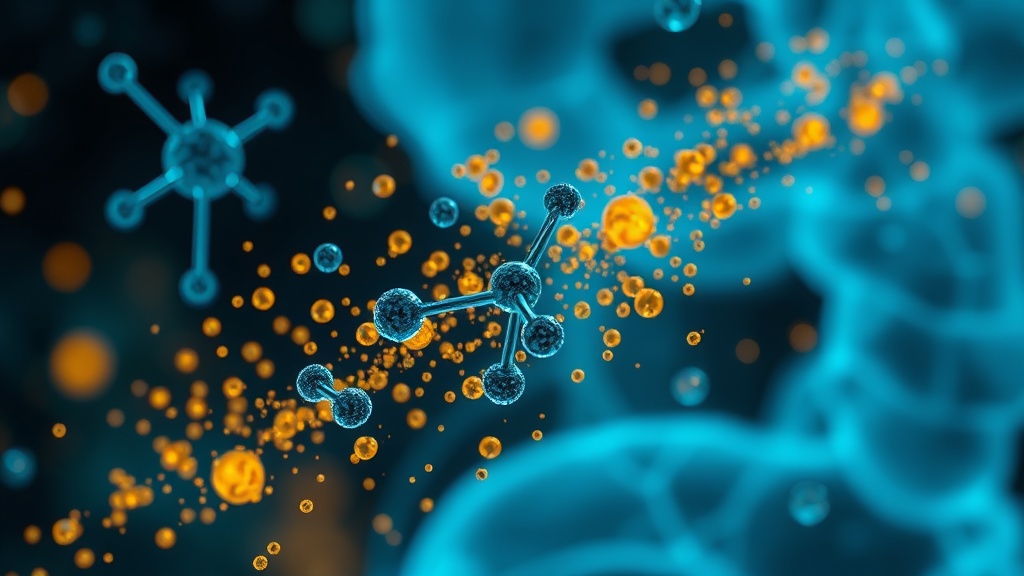
The proposed model: NMN → gut microbial conversion → nicotinic acid → Preiss–Handler pathway → systemic NAD+ elevation. This is a fundamentally different mechanism than direct cellular uptake, and it has massive implications for dosing, timing, and who actually benefits from NMN supplementation.
Wait, let me be more precise here. This doesn't mean NMN is useless — it means NMN's efficacy may be microbiome-dependent. If your gut flora can't efficiently convert NMN to NA, you might be flushing expensive powder down the toilet. Literally.
The Mouse Data: Still Where the Excitement Lives#
The preclinical work from March 2026 is mechanistically satisfying, even if I'm cautious about extrapolating to humans. A team published in Scientific Reports showing that β-NMN preserved skeletal muscle strength in septic male mice[1]. The sepsis model (cecal slurry-induced) produced persistent muscle weakness even after body weight and muscle mass had recovered at 14 days — a phenotype that mirrors ICU-acquired weakness in human sepsis survivors.
Transcriptomic analysis revealed downregulation of SIRT3, the major mitochondrial NAD+-dependent deacetylase, alongside increased acetylation of mitochondrial proteins including multiple Complex I subunits. Acute-phase β-NMN administration preserved mitochondrial morphology and muscle strength without changing muscle mass — suggesting the effect operates through mitochondrial efficiency rather than anabolic pathways.
In C2C12 myotubes, SIRT3 knockdown impaired mitochondrial respiration, and NMN partially rescued energy production. The SIRT3–NAD+ axis as a therapeutic target for post-sepsis muscle dysfunction is a compelling hypothesis. But — and I want to be honest — whether these are direct SIRT3 deacetylation targets remains unconfirmed by the authors' own admission.
Separately, a reviewed preprint on eLife examined NMN's effects on diet-induced obesity in mice, finding that NMN mitigated weight gain by enhancing energy expenditure and corrected dyslipidemia — but critically, these effects were SIRT1-dependent[5]. Fat mass reductions, however, operated through SIRT1-independent mechanisms. The eLife assessment rated the evidence as "incomplete" with "useful" significance. I appreciate that honesty. The SIRT1 versus SIRT3 dependency question is going to matter enormously as this field matures.
Human Functional Outcomes: Modest but Real#
The most clinically relevant human data comes from a 2024 double-blind, placebo-controlled trial in GeroScience with 60 older adults taking 250 mg/day NMN for 12 weeks[6]. The primary endpoint — a stepping test — showed no significant difference between NMN and placebo groups. I want to sit with that for a moment. The primary endpoint failed.
However, secondary outcomes showed NMN maintained walking speed (significantly shorter 4-meter walking time) and improved sleep quality on the Pittsburgh Sleep Questionnaire, specifically "Daytime dysfunction" and "Global PSQI" scores. Blood NAD+ and metabolites were significantly elevated. No adverse effects.
The PQQ/NMN interoception study from February 2026 enrolled 60 participants in a four-arm trial (placebo, PQQ 20 mg, NMN 300 mg, or combined)[3]. The significant finding? PQQ, not NMN, drove the only meaningful group × time interaction — specifically in body listening after exhaustive exercise. NMN alone didn't differentiate from placebo on interoception measures. That's worth noting, because it suggests NMN's acute exercise benefits may be overstated in supplement marketing.
NAD+ Precursor Efficacy: 14-Day Sustained Blood NAD+ Increase
COMPARISON TABLE#
| Method | Mechanism | Evidence Level | Cost (Monthly) | Accessibility |
|---|---|---|---|---|
| NMN (oral, 250-300 mg/day) | Gut microbiota → NA → Preiss–Handler → NAD+ | Multiple human RCTs; mechanism confirmed in 65-person trial | $40–$80 | Widely available; unregulated supplement |
| NR (oral, 300 mg/day) | Same gut-dependent NA conversion as NMN | Multiple human RCTs; comparable NAD+ elevation to NMN | $40–$70 | Patented (Niagen); widely available |
| Nicotinamide (Nam) | Salvage pathway; acute transient effect only | Human trial shows no sustained NAD+ elevation | $5–$15 | OTC vitamin B3; cheapest option |
| Nicotinic Acid (Niacin) | Direct Preiss–Handler pathway | Ex vivo potent NAD+ booster; flushing side effects | $5–$10 | OTC; limited by tolerability |
| IV NAD+ infusion | Direct systemic delivery | Limited controlled trials; clinical anecdotes | $250–$1,000/session | Clinics only; low accessibility |
THE PROTOCOL#
Based on the current evidence — and I want to emphasize this is based on what the data actually shows, not what supplement companies claim — here's a rational NMN protocol.
1. Start with 250 mg/day oral NMN. This is the dose validated in the GeroScience placebo-controlled trial for 12 weeks with confirmed NAD+ elevation and functional benefits in older adults[6]. Higher doses lack proportional human evidence.
2. Take NMN in the morning with food. The PQQ/NMN exercise study administered supplements 60 minutes pre-exercise[3]. Morning dosing aligns with circadian NAD+ metabolism and NAMPT expression peaks. Food may support gut microbial conversion, given Christen et al.'s findings on the microbiome-dependent mechanism[2].
3. Prioritize gut health as a co-intervention. This is the protocol step most people skip, and based on the 2026 Nature Metabolism data, it may be the most important. If NMN requires microbial conversion to nicotinic acid for systemic NAD+ boosting, then dysbiosis could blunt your response entirely. Include fermented foods, prebiotic fiber, or a targeted probiotic.
4. Track blood NAD+ at baseline and 4 weeks. The GeroScience trial showed significant NAD+ elevation at both 4 and 12 weeks. If your blood NAD+ hasn't moved by week 4, the supplement may not be working for you — possibly due to microbiome factors.

5. Run the protocol for a minimum of 12 weeks before assessing functional outcomes. Walking speed and sleep quality improvements emerged at 12 weeks, not 4. Patience matters here.
6. Consider cycling or combining with niacin. Given that nicotinic acid appears to be the actual systemic NAD+ driver, low-dose niacin (100–250 mg, flush-type) could theoretically achieve similar results at a fraction of the cost. I'm not ready to recommend replacing NMN with niacin — the gut health modulation from NMN/NR fermentation may provide independent benefits — but I'd want to see a direct comparison trial.
7. Monitor sleep quality as your functional biomarker. Pittsburgh Sleep Quality Index scores improved in the NMN group. Sleep is measurable without lab work — use a validated sleep tracker and monitor changes in sleep latency and daytime dysfunction over the 12-week window.
What is NMN and how does it raise NAD+ levels?#
NMN (nicotinamide mononucleotide) is a biosynthetic precursor to NAD+, a coenzyme essential for cellular energy metabolism. According to the 2026 Nature Metabolism trial by Christen et al., NMN likely raises systemic NAD+ not through direct cellular uptake but via gut microbial conversion to nicotinic acid, which then enters the Preiss–Handler biosynthetic pathway[2]. This gut-dependent mechanism represents a significant shift in how we understand NMN's mode of action.
How does NMN compare to NR for boosting NAD+?#
In the head-to-head comparison of 65 healthy adults, NMN and NR produced comparable increases in circulatory NAD+ over 14 days[2]. Both appear to work through the same gut-dependent mechanism. The practical difference comes down to cost and formulation preferences — NR is patented (as Niagen) while NMN is available from multiple unregulated manufacturers, which introduces quality variability.
Who benefits most from NMN supplementation?#
Based on current trial data, older adults show the clearest functional benefits. The GeroScience trial demonstrated maintained walking speed and improved sleep quality in participants over 65 taking 250 mg/day for 12 weeks[6]. Whether younger, healthy individuals experience meaningful functional improvements remains unproven in controlled trials. I'd argue the strongest case is for adults over 50 with measurable NAD+ decline.
Why might NMN not work for some people?#
The 2026 microbiome data suggests NMN efficacy depends on gut bacterial composition. If your microbiota cannot efficiently convert NMN to nicotinic acid, systemic NAD+ boosting may be blunted[2]. Antibiotic use, dysbiosis, or low microbial diversity could all theoretically reduce NMN's effectiveness — though this specific hypothesis hasn't been tested in a clinical intervention yet. Honestly, we don't have a definitive answer, but the microbiome angle is the most plausible explanation.
What are the known side effects of NMN supplementation?#
Across the clinical trials reviewed — including 60 older adults over 12 weeks at 250 mg/day and 65 healthy adults over 14 days — no adverse effects related to NMN consumption were reported[2][6]. The Yang et al. review of preclinical and clinical data similarly supports NMN's safety profile at studied doses[4]. Long-term safety data beyond 12 weeks remains limited, and the unregulated supplement market introduces purity and contamination risks that controlled trials don't capture.
VERDICT#
6.5/10. NMN reliably raises blood NAD+ — that's settled. The 2026 mechanistic data revealing gut-dependent conversion to nicotinic acid is genuinely important and should change how people think about supplementation strategy. But the functional human outcomes remain modest: a failed primary endpoint rescued by secondary measures in a 60-person trial. The mouse data on SIRT3-mediated muscle preservation is mechanistically elegant but preclinical. I'm not telling anyone to stop taking NMN — the safety profile is clean and the NAD+ elevation is real. But I am telling you that your gut health probably matters more than your NMN brand, and that niacin at 1/10th the price might get you surprisingly close. I'd want to see a 500+ person RCT with hard functional endpoints before this gets higher than a 7.
References
- 1.Author(s) not listed. β-Nicotinamide mononucleotide preserves muscle strength in septic male mice. Scientific Reports (2026). ↩
- 2.Christen S et al.. The differential impact of three different NAD+ boosters on circulatory NAD and microbial metabolism in humans. Nature Metabolism (2026). ↩
- 3.Author(s) not listed. The effects of pyrroloquinoline quinone and nicotinamide mononucleotide supplementation on interoception following acute exhaustive exercise. Scientific Reports (2026). ↩
- 4.Yang X, Lu A, Guan X, Ying T, Pan J, Tan M, Lu J. An Updated Review on the Mechanisms, Pre-Clinical and Clinical Comparisons of Nicotinamide Mononucleotide (NMN) and Nicotinamide Riboside (NR). Food Frontiers (2025). ↩
- 5.Author(s) not listed. NAD+ boosting by oral nicotinamide mononucleotide administration regulates key metabolic and immune pathways through SIRT1 dependent and independent mechanisms to mitigate diet-induced obesity and dyslipidemia in mice. eLife (Reviewed Preprint) (2025). ↩
- 6.Author(s) not listed. Ingestion of β-nicotinamide mononucleotide increased blood NAD levels, maintained walking speed, and improved sleep quality in older adults. GeroScience (2024). ↩
Nael Voss
Nael is data-obsessed and slightly impatient with over-hyped claims. He's tested most of what he covers personally, which means he occasionally contradicts the research when his n=1 doesn't match. His writing moves fast, sometimes too fast — he'll drop a complex mechanism in one sentence and move on. He has a specific verbal tic: 'Look,' when he's about to say something the reader might not want to hear. He's sardonic about supplement marketing but genuinely excited about good mechanistic data.
View all articles →