Engineered Probiotics for IBD: Living Glues and Smart Bacteria

THE PROTOHUMAN PERSPECTIVE#
The thing about inflammatory bowel disease is that it exposes a fundamental failure in how we've tried to manage complex ecosystems with blunt pharmacological instruments. IBD affects over 7 million people globally, and despite decades of immunosuppressant development, a significant percentage of patients lose response to treatment over time. The cascade of consequences — chronic inflammation, barrier degradation, dysbiosis feeding back into more inflammation — creates a self-reinforcing loop that conventional drugs interrupt but rarely resolve.
Engineered probiotics represent something qualitatively different. They're not drugs. They're programmable living systems that can sense, respond, and adapt within the gut microenvironment. For anyone tracking the trajectory of human performance optimization, this matters because gut barrier integrity is upstream of nearly everything — nutrient absorption, immune calibration, even neurotransmitter synthesis via the gut-brain axis. If we can deploy autonomous microbial agents that repair the intestinal ecosystem from within, we're not just treating a disease. We're building a template for how humans will maintain biological infrastructure in the future.
THE SCIENCE#
From Passive Supplements to Autonomous Therapeutics#
Traditional probiotics — your Lactobacillus capsules, your yogurt cultures — have always occupied an awkward space. They do something, but the effects are modest and nonspecific. The ecosystem doesn't really care what brand you're taking. What's changed is synthetic biology's capacity to turn commensal bacteria into precision instruments.
Duan et al. (2025) published a comprehensive review in the Journal of Translational Medicine that frames engineered probiotics around four core functions: precision delivery of therapeutics, metabolic assistance, restoration of microenvironmental homeostasis, and targeted immune activation[5]. These aren't incremental improvements over traditional probiotics. They represent a categorical shift — from passive microbial supplementation to active, programmable intervention.
The field has converged on CRISPR-Cas9 as the primary editing platform, enabling researchers to insert synthetic gene circuits into bacterial chassis organisms like E. coli Nissle 1917 and Saccharomyces boulardii. These circuits can include biosensors for inflammatory markers, secretion systems for therapeutic proteins, and kill switches for biocontainment[5][6].
The "Living Glue" Breakthrough#
The most striking advance in the data comes from Ge, Jiang, Dong et al. (2026), published in Nature Biotechnology[1]. Their approach tackles two problems that have plagued engineered probiotics: poor sensing of pathological cues and inability to maintain localized, long-term therapeutic activity.
Their solution is elegant. They engineered nonpathogenic E. coli with a blood-inducible gene circuit — meaning the bacteria only activate when they detect gastrointestinal bleeding, a hallmark of severe IBD. Upon activation, the bacteria secrete two proteins simultaneously: CP43K, a barnacle-derived adhesive protein that physically glues the bacteria to inflamed tissue, and TFF3 (trefoil factor 3), a gut-barrier-healing factor that promotes mucosal repair.
The adhesion results are striking. Following a single rectal administration, bacterial attachment to inflamed tissues persisted for up to 10 days. Oral administration achieved 7 days of sustained attachment. This isn't the transient colonization typical of conventional probiotics — it's a persistent, localized therapeutic depot.
In two mouse models of IBD — the DSS-induced colitis model and the IL-10 knockout model — the TL-glue system demonstrated improved weight recovery, reversed colonic shortening, reduced intestinal bleeding, decreased inflammation, and restored gut barrier integrity[1].
GLP-1 Signaling: An Unexpected Axis#
But here's where it gets complicated. The gut isn't just an inflammatory battlefield — it's a metabolic signaling hub. Brockmann, Ronda, Schwanz, Qu et al. (2025) published in Science Advances a study demonstrating that fiber-deficient diets exacerbate colitis through dysregulation of GLP-1 (glucagon-like peptide 1) signaling[4].
Their engineered probiotic releases a microbial peptide that locally elevates GLP-1, which normalized gut parameters in fiber-deprived mice and alleviated colitis via GLP-1-dependent mechanisms — including improved metabolism, enhanced antimicrobial defenses, and barrier restoration[4]. This mechanistically connects dietary fiber deficiency to colitis through a hormone pathway, not just through the usual short-chain fatty acid narrative.
I'm less convinced this finding will translate cleanly to humans. GLP-1 receptor agonists are already a massive drug class (semaglutide, anyone?), and the interplay between systemic GLP-1 effects and localized gut GLP-1 signaling is still poorly mapped. But as a proof of concept for engineering probiotics that address metabolic cascades rather than just inflammatory molecules, it's significant.
The Ecosystem Problem Nobody Wants to Talk About#
A 2026 review by researchers in Antonie van Leeuwenhoek makes a point that I think the field underweights: while engineered probiotics show strong results in UC (ulcerative colitis), the evidence for Crohn's disease remains inconsistent and sometimes contradictory[3]. Multiple probiotic strains — E. coli Nissle 1917, Lacticaseibacillus rhamnosus GG, Bifidobacterium longum, S. boulardii, and VSL#3 — have demonstrated efficacy in UC that's comparable to mesalazine, but Crohn's disease has resisted similar success[3].
The honest answer is that Crohn's involves deeper transmural inflammation, different immune profiles, and distinct microbial disruption patterns. Engineering a probiotic for UC's relatively superficial mucosal inflammation is a fundamentally different challenge than engineering one for Crohn's segmental, full-thickness disease. Anyone telling you engineered probiotics are a universal IBD solution is selling something.
Kong et al. (2025) in Frontiers in Microbiology further highlight that genetic stability of synthetic circuits, biocontainment, and clinical translation remain major unresolved challenges[6]. Bacteria mutate. Plasmids can be lost. Kill switches can fail. The ecosystem pushes back against engineering.
Sustained Bacterial Attachment Duration by Administration Route
COMPARISON TABLE#
| Method | Mechanism | Evidence Level | Cost | Accessibility |
|---|---|---|---|---|
| TL-Glue Engineered E. coli | Blood-inducible adhesion + TFF3 secretion at bleeding sites | Preclinical (2 mouse models) | Unknown (experimental) | Research only |
| GLP-1-Secreting Probiotic | Microbial peptide elevates local GLP-1 to restore barrier | Preclinical (mouse, fiber-deficiency model) | Unknown (experimental) | Research only |
| VSL#3 / Traditional Probiotic Mix | Passive microbial supplementation, modest immune modulation | Multiple human RCTs (UC); inconsistent for CD | $30–60/month | OTC, widely available |
| E. coli Nissle 1917 | Competitive exclusion, barrier support, immune modulation | Human RCTs (UC remission maintenance) | $20–40/month | Available in EU (Mutaflor) |
| Mesalazine (5-ASA) | Topical anti-inflammatory in colonic mucosa | Extensive human RCTs, standard of care for UC | $15–80/month | Prescription |
| Anti-TNF Biologics (e.g., infliximab) | Systemic immunosuppression via TNF-α blockade | Extensive human RCTs, both UC and CD | $1,000–5,000/infusion | Prescription, infusion centers |
THE PROTOCOL#
Important caveat: Engineered probiotics like TL-glue and GLP-1-secreting strains are not yet available for human use. The following protocol reflects what the current evidence suggests for readers interested in supporting gut barrier integrity and microbiome homeostasis while these technologies mature.
Step 1: Establish baseline gut health metrics. Before modifying anything, get a comprehensive stool analysis (e.g., GI-MAP or equivalent) to assess microbial diversity, inflammatory markers like calprotectin, and short-chain fatty acid profiles. If you have diagnosed IBD, work with a gastroenterologist — not a supplement protocol.
Step 2: Prioritize dietary fiber diversity. Based on Brockmann et al.'s findings connecting fiber deficiency to GLP-1 dysregulation and worsened colitis[4], fiber intake isn't optional — it's mechanistically upstream of gut hormone signaling. Aim for 30+ grams daily from diverse sources (resistant starch, inulin, pectin, beta-glucan). Your gut doesn't care about your supplement brand — it cares about substrate diversity.
Step 3: Consider evidence-backed probiotic strains. For individuals with UC in remission, E. coli Nissle 1917 (Mutaflor, where available) has demonstrated remission maintenance comparable to mesalazine in human trials[3]. VSL#3 (the specific formulation with 8 strains) has the most clinical data for UC. Dosing in studies typically ranges from 3.6 × 10^12 CFU/day for VSL#3.
Step 4: Support endogenous GLP-1 signaling. Until engineered GLP-1-secreting probiotics reach clinical use, dietary strategies that promote endogenous GLP-1 include consuming fermentable fibers (which generate SCFAs that stimulate L-cell GLP-1 release), consuming protein at the start of meals, and maintaining regular meal timing.
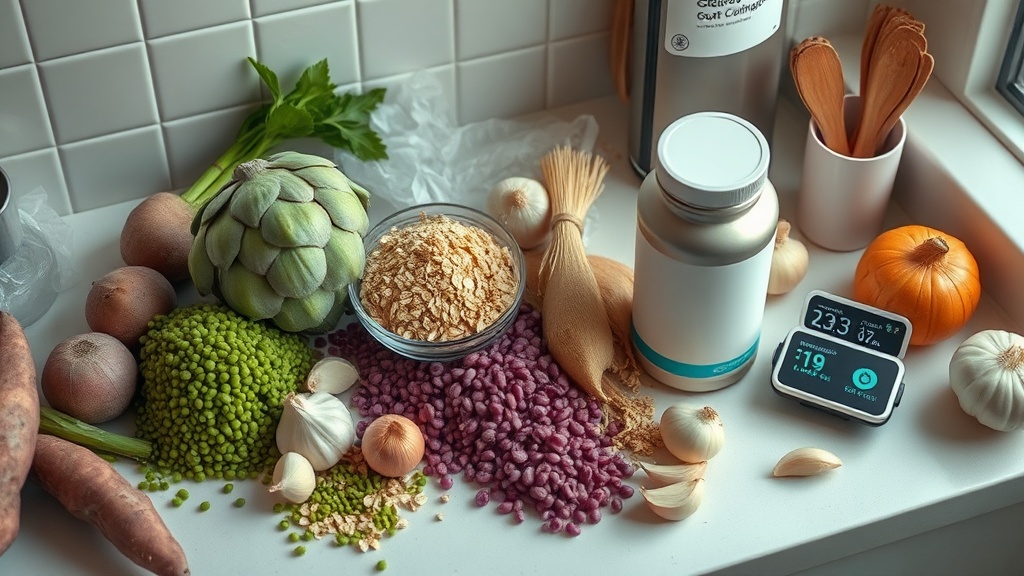
Step 5: Monitor inflammatory markers longitudinally. Track fecal calprotectin every 3–6 months if managing IBD. For general gut optimization, annual comprehensive stool panels provide trend data. The goal is to detect ecosystem shifts before they become symptomatic cascades.
Step 6: Stay informed on clinical trial availability. Engineered probiotic platforms like the TL-glue system will likely enter Phase I human trials within 2–4 years. ClinicalTrials.gov and institutional registries are the reliable sources for trial enrollment. Early access to these therapies will come through clinical participation, not through supplement marketplaces.
Related Video
What are engineered probiotics, and how do they differ from regular probiotics?#
Engineered probiotics are bacteria that have been genetically modified using tools like CRISPR-Cas9 to perform specific therapeutic functions — sensing disease markers, producing drugs locally, or adhering to damaged tissue. Regular probiotics are naturally occurring strains consumed for general gut health, with modest and often nonspecific effects. The distinction is like comparing a wild plant to a precision-engineered biosensor.
How does the "living glue" system target only inflamed tissue?#
The TL-glue system designed by Ge et al. uses a blood-inducible gene circuit — the bacteria only activate their adhesive and therapeutic protein production when they detect heme from gastrointestinal bleeding[1]. No bleeding, no activation. This bleeding-dependent trigger means the bacteria pass harmlessly through healthy gut tissue and only "switch on" at sites of active IBD inflammation.
Why do engineered probiotics work better for ulcerative colitis than Crohn's disease?#
UC primarily affects the superficial mucosal layer of the colon, making it more accessible to luminally delivered probiotics. Crohn's disease involves deeper, transmural inflammation across any part of the GI tract, which is harder for surface-colonizing bacteria to reach[3]. The field genuinely doesn't have a clean solution for this yet, and studies in CD have yielded mixed results.
When will engineered probiotics be available for patients?#
We genuinely don't know enough to give a firm timeline. The most advanced candidates are in preclinical stages, with clinical translation facing hurdles around genetic stability, biocontainment, and regulatory frameworks[5][6]. Optimistic estimates suggest Phase I trials for leading candidates within the next 2–4 years, but regulatory approval timelines for living therapeutics are still being established.
How does fiber deficiency connect to IBD severity through GLP-1?#
Brockmann et al. (2025) showed that reduced dietary fiber decreases SCFA production, which in turn reduces GLP-1 secretion from intestinal L-cells[4]. Lower GLP-1 levels correlate with impaired barrier integrity, weakened antimicrobial defenses, and worsened colitis severity. Their engineered probiotic bypassed this dietary requirement by directly elevating local GLP-1 — but this has only been demonstrated in mice so far.
VERDICT#
Score: 8/10
The science here is genuinely exciting, and I don't use that assessment lightly. The TL-glue system from Ge et al. in Nature Biotechnology is the most elegant engineered probiotic design I've seen — blood-inducible sensing plus barnacle-derived adhesion plus therapeutic protein secretion is a triple-function architecture that solves real problems in the field. The GLP-1 axis work from Brockmann et al. opens a metabolic dimension that most IBD probiotic research has ignored.
But. These are mouse models. Both DSS-induced colitis and IL-10 knockout mice are useful but imperfect proxies for human IBD. They didn't control for baseline microbial diversity in the animal models, which makes some of the therapeutic effect size almost uninterpretable without further replication. The Crohn's disease gap remains a serious limitation. And genetic stability of synthetic circuits in the chaotic gut environment over weeks or months is a problem nobody has convincingly solved.
I'd want to see human safety data before adjusting my confidence upward. But as a direction of travel — living therapeutics that sense, adhere, and heal autonomously — this is where IBD treatment is headed.
References
- 1.Ge C, Jiang S, Dong X. Engineered living glues secrete therapeutic proteins for treatment of inflammatory bowel disease. Nature Biotechnology (2026). ↩
- 3.Author(s) not listed. Redrawing the gut map: evolving probiotic approaches to microbiota modulation in inflammatory bowel disease. Antonie van Leeuwenhoek (2026). ↩
- 4.Brockmann L, Ronda C, Schwanz LT, Qu Y. Engineered probiotic restores GLP-1 signaling to ameliorate fiber-deficiency exacerbated colitis. Science Advances (2025). ↩
- 5.Duan S. Engineered probiotics: a new era in treating inflammatory bowel disease. Journal of Translational Medicine (2025). ↩
- 6.Kong C, Huang L, Yang M, Yue N, Luo D, Zhang Y, Tian C, Song Y, Wei D, Shi R, Liang Y, Yao J, Wang L, Li D. Microbiome engineering: unlocking therapeutic potential in inflammatory bowel disease. Frontiers in Microbiology (2025). ↩
Dax Miyori
Dax is comfortable with complexity and slightly impatient with people who want clean answers about the microbiome. He writes in systems terms and will point out when a study ignored confounding microbial variables: 'They didn't control for baseline diversity, which makes the result almost uninterpretable.' He uses 'ecosystem' and 'cascade' frequently — not as jargon, but because they're accurate.
View all articles →