L. reuteri MRD01: Novel Probiotic Strain for Gut Barrier Repair

SNIPPET: A newly isolated probiotic strain, Lactobacillus reuteri MRD01, significantly reduced colitis severity in mice by upregulating tight junction proteins ZO-1 and occludin, increasing MUC2 expression, suppressing the TLR4–NF-κB–NLRP3 inflammasome cascade, and rebalancing gut microbial composition — suggesting a multi-target mechanism for intestinal barrier repair that current IBD therapies fail to achieve.
THE PROTOHUMAN PERSPECTIVE#
The thing about inflammatory bowel disease is that it's not one broken thing — it's a cascading ecosystem failure. Barrier dysfunction, microbial dysbiosis, immune hyperactivation, mucin depletion. They feed each other. And yet most pharmaceutical interventions target a single node in this cascade, usually the immune arm, leaving the underlying microbial architecture untouched.
That's what makes this new L. reuteri MRD01 data worth paying attention to. Not because a single mouse study proves anything clinical — it doesn't — but because the strain appears to operate across multiple layers simultaneously: structural barrier repair, immune rebalancing, and microbial composition shifts. For anyone interested in gut-driven performance optimization, this matters. Your gut barrier is the gatekeeper for systemic inflammation, and systemic inflammation is the silent tax on every biological system you care about — from mitochondrial efficiency to cognitive throughput. If a single probiotic strain can hit barrier, immune, and microbial targets in concert, the implications for IBD management and broader gut health protocols are non-trivial.
THE SCIENCE#
What Is Lactobacillus reuteri MRD01?#
Lactobacillus reuteri is a commensal bacterium naturally resident in the mammalian gastrointestinal tract, recognized for its strong colonisation capacity and production of bioactive metabolites that regulate intestinal microecology. MRD01 is a newly isolated strain — distinct from the well-studied DSM 17938 lineage — characterized in a 2026 study published in Antonie van Leeuwenhoek using the dextran sodium sulfate (DSS)-induced colitis model in male mice [1]. IBD affects an estimated 6.8 million people globally, and current therapies carry substantial long-term adverse effects with high recurrence rates. The L. reuteri species has attracted growing attention from gastroenterology researchers and probiotic developers precisely because multiple strains now show independent evidence of barrier-protective effects.
The Barrier Repair Mechanism#
Here's what the MRD01 data actually showed. Administration of the strain to DSS-treated mice alleviated body weight loss and partially recovered body weight, attenuated colon shortening, and significantly reduced the disease activity index (DAI), spleen index, and histopathological damage scores [1].
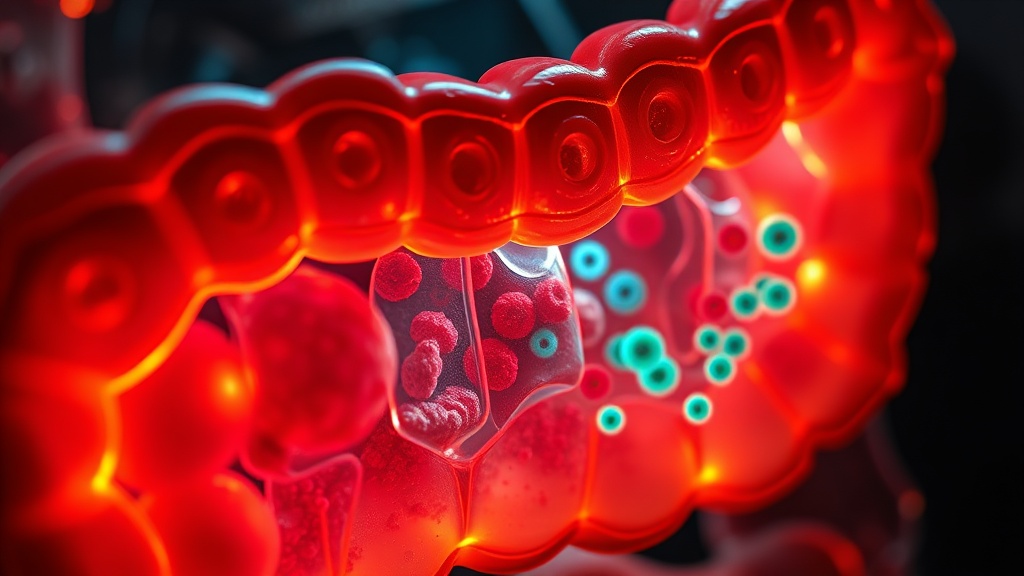
But the more interesting findings sit at the molecular level. MRD01 increased MUC2 expression and goblet cell numbers, which points to enhanced mucin secretion — the literal physical shield between your epithelial cells and the bacterial load sitting in your lumen. Without adequate mucin, you don't have a functioning mucosal barrier. Period.
The strain also upregulated zonula occludens-1 (ZO-1) and occludin, two tight junction proteins that hold epithelial cells together. The functional read-out confirmed this: FITC-dextran (FD4) leakage was reduced, meaning the barrier was actually tighter, not just expressing more protein without functional consequence [1]. That distinction matters — a lot of studies show protein expression changes that don't translate to actual permeability improvements.
The Immune Cascade#
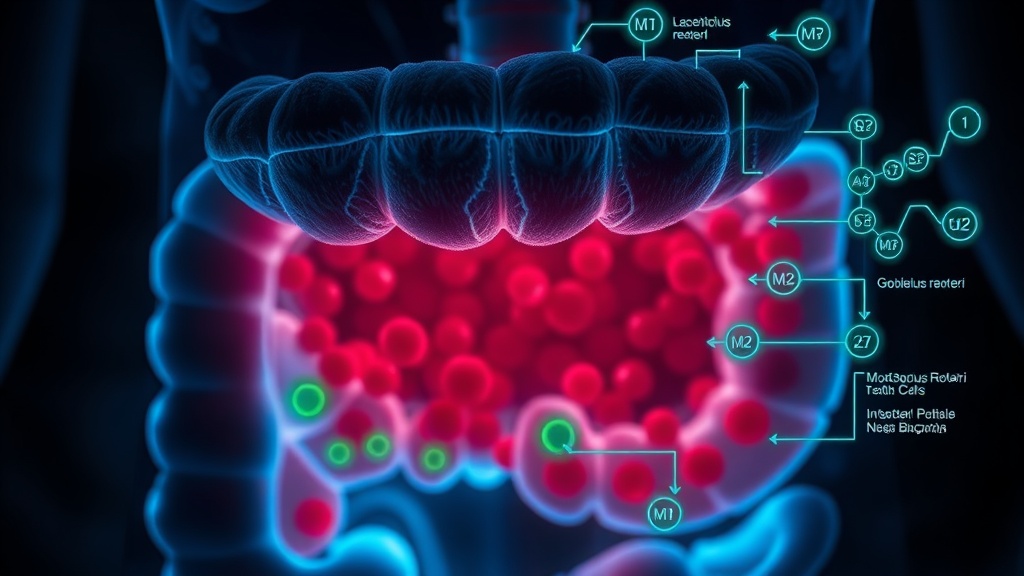
MRD01 downregulated the pro-inflammatory cytokines IL-1β, IL-6, and TNF-α, while upregulating the anti-inflammatory cytokine IL-10. This cytokine shift rebalanced macrophage polarisation — pushing macrophages away from the M1 (pro-inflammatory) phenotype and toward M2 (tissue-repair) [1].
The mechanistic pathway identified was the TLR4–NF-κB–NLRP3 inflammasome axis. MRD01 inhibited this entire signalling cascade, which is significant because the NLRP3 inflammasome is increasingly recognized as a central driver of chronic intestinal inflammation. It's the thing that converts low-grade immune activation into full-blown tissue damage.
Microbial Ecosystem Remodelling#
Mechanistically, MRD01 altered gut microbial composition, contributing to the restoration of intestinal homeostasis [1]. The study framed this as a synergistic effect — mucosal protection, epithelial integrity, immune homeostasis, and microbial balance operating together.
I want to push back slightly here. They didn't control for baseline microbial diversity across groups in granular detail (at least not reported in the abstract), which makes the microbial remodelling claim the weakest link in the chain. The barrier and immune data are more convincing to me than the microbiome composition claim.
Convergent Evidence From Other L. reuteri Research#
What strengthens the MRD01 case is that parallel research on other L. reuteri strains shows consistent patterns. Nazari et al. (2025) demonstrated that L. reuteri supplementation at 10¹⁰ CFU daily in DSS-induced colitis mice improved tight junction protein expression, reduced myeloperoxidase (MPO) levels, and increased short-chain fatty acid (SCFA) production — particularly butyrate, which feeds colonocytes directly [2].
Meanwhile, work on L. reuteri DSM 17938 metabolites published in Scientific Reports showed that bacterial exopolysaccharides significantly improved barrier integrity in both Caco-2 enterocyte-like cells and primary human intestinal epithelial cells after 5-fluorouracil-induced injury [3]. The catch, though: exopolysaccharides paradoxically induced an inflammatory protein profile in the enterocyte-like cells even while improving barrier function. That's a genuine puzzle. It suggests that barrier repair and immune signalling may operate through partially independent — and sometimes contradictory — pathways.
And then there's the delivery problem. A study in npj Science of Food developed microcapsule models for L. reuteri A-1 — quick-release and slow-release — to address viability loss during gastrointestinal transit. The quick-release model achieved an 83.3% cumulative release rate and significantly alleviated colitis symptoms in mice, with 16S rRNA analysis showing gut microbiota restoration toward healthy controls [4]. The best probiotic strain in the world is useless if it doesn't survive your stomach acid.
The most aggressive application comes from a Nature Communications study on manganese-engineered L. reuteri (MnLR) for colorectal cancer, which achieved 95.6% inhibition of orthotopic tumour growth and 62.1% reduction in liver metastases in preclinical models [5]. That's a different therapeutic context entirely, but it signals just how potent engineered L. reuteri variants can be when bioactivity is deliberately enhanced.
L. reuteri Strain Efficacy Across Preclinical Models
COMPARISON TABLE#
| Method | Mechanism | Evidence Level | Cost | Accessibility |
|---|---|---|---|---|
| L. reuteri MRD01 | Multi-target: TJ upregulation, MUC2 increase, TLR4–NF-κB–NLRP3 inhibition, microbiome remodelling | Preclinical (mouse DSS model) | Low (projected) | Not yet commercially available |
| L. reuteri DSM 17938 (standard strain) | Metabolite-driven barrier repair, immune modulation via exopolysaccharides | Preclinical + limited human data | ~$15–30/month | Widely available (BioGaia) |
| Mesalamine (5-ASA) | Topical anti-inflammatory on colonic mucosa | Strong (multiple RCTs, meta-analyses) | $50–200/month | Prescription |
| Anti-TNF biologics (infliximab) | TNF-α neutralisation | Strong (phase III trials) | $1,000–5,000/infusion | Specialist prescription |
| FMT (Faecal Microbiota Transplant) | Wholesale microbiome replacement | Moderate (RCTs for UC, mixed results) | $500–2,000/procedure | Limited centres |
| Microencapsulated L. reuteri A-1 | Quick-release probiotic delivery with 83.3% release rate | Preclinical (mouse DSS model) | Moderate (projected) | Experimental |
THE PROTOCOL#
The honest answer is that MRD01 is not yet available as a consumer product — it's a research-stage strain. But the convergent data across L. reuteri strains allows us to outline a reasonable evidence-informed gut barrier protocol. Based on current evidence, if you choose to trial this:
Step 1: Select a validated L. reuteri strain. DSM 17938 (available as BioGaia Protectis) is the most studied commercial strain with demonstrated barrier and immune effects. Take at minimum 10⁸ CFU daily; some protocols use 10¹⁰ CFU based on the Nazari et al. dosing [2].
Step 2: Optimise delivery survival. Liquid formulations lose viability during storage and GI transit. Choose enteric-coated capsules or refrigerated formulations stored at 4°C. The microcapsule research shows cold storage best preserves probiotic viability [4].
Step 3: Support the ecosystem, not just the strain. Your gut doesn't care about your supplement brand — it cares about the metabolic substrate. L. reuteri produces reuterin from glycerol, and SCFA production (especially butyrate) is a downstream benefit. Include prebiotic fibre sources: resistant starch (cooked and cooled potatoes, green bananas), inulin (chicory root, garlic), and pectin (apples, citrus peel).
Step 4: Time administration strategically. Take probiotics on an empty stomach or 30 minutes before meals. Gastric acid is lowest before eating, which improves survival through the stomach. Evening dosing may offer advantages given that gut motility slows overnight, potentially extending colonic contact time.
Step 5: Track intestinal permeability markers. If you have access to functional testing, zonulin levels (serum or stool) can serve as a proxy for tight junction integrity. Calprotectin (stool) tracks intestinal inflammation. Retest at 8–12 weeks to assess response.
Step 6: Address confounding variables. NSAIDs, alcohol, processed food emulsifiers (polysorbate 80, carboxymethylcellulose), and chronic psychological stress all independently damage intestinal barrier integrity. No probiotic will overcome a hostile ecosystem. Fix the environment before optimising the inhabitants.
Step 7: Monitor and adjust over 12 weeks minimum. Microbial colonisation and barrier remodelling are slow processes. The MRD01 study and Nazari et al. both used multi-week protocols. Expect a minimum 8-week window before assessing efficacy. If no improvement in symptoms or markers, consider strain rotation or combination protocols.
Related Video
What is Lactobacillus reuteri MRD01 and how does it differ from other L. reuteri strains?#
MRD01 is a newly isolated strain characterised in a 2026 study for its effects on DSS-induced colitis in mice. Unlike the widely available DSM 17938, MRD01 demonstrated a specific multi-target mechanism involving TLR4–NF-κB–NLRP3 inflammasome inhibition alongside tight junction protein upregulation. It's not commercially available yet — the data is preclinical only.
How does L. reuteri MRD01 repair the intestinal barrier?#
The strain upregulates ZO-1 and occludin (tight junction proteins), increases MUC2 expression and goblet cell numbers to reinforce the mucin layer, and reduces FITC-dextran leakage — indicating functional barrier tightening, not just molecular expression changes [1]. It simultaneously suppresses pro-inflammatory cytokines and the NLRP3 inflammasome, reducing the immune-driven barrier damage cycle.
When will L. reuteri MRD01 be available as a supplement?#
We genuinely don't know. The strain is in preclinical research phase with no published human trials. Translating a murine DSS model finding into a commercial probiotic product typically takes 5–10 years, assuming someone funds the clinical pipeline. In the meantime, DSM 17938 offers the closest commercially available alternative with published human data.
Why is probiotic delivery a challenge for L. reuteri effectiveness?#
L. reuteri viability drops significantly during storage, transport, and passage through gastric acid. Research on microcapsule delivery systems achieved 88.64% embedding efficiency for slow-release and 83.3% cumulative release for quick-release models, but these are experimental [4]. Standard liquid formulations are the worst performers — refrigerated enteric-coated capsules are your best bet currently.
How does L. reuteri compare to standard IBD medications?#
Current IBD drugs like mesalamine and anti-TNF biologics have strong RCT evidence but target single inflammatory pathways, carry significant side effects, and show high recurrence rates. L. reuteri strains appear to operate across multiple targets simultaneously — barrier, immune, microbial — but all evidence remains preclinical or from small trials. Anyone who tells you a probiotic replaces your gastroenterologist's prescriptions is selling something.
VERDICT#
Score: 6.5/10
The MRD01 data is genuinely interesting — the multi-target mechanism is elegant, and the convergence across multiple independent L. reuteri studies builds a convincing preclinical narrative. I'm particularly impressed by the functional barrier data (actual permeability reduction, not just protein expression). But let me be direct: this is entirely mouse data. The DSS colitis model is useful but imperfect — it doesn't capture the autoimmune complexity of human IBD. The microbiome composition claims are the weakest part of the paper. And we have zero human dosing, safety, or efficacy data for MRD01 specifically. The broader L. reuteri genus has stronger footing, with DSM 17938 carrying some human evidence, but the field is still immature for making strong clinical recommendations. I'd want to see this replicated in at least one human pilot before changing any protocol. The delivery technology work is a smart parallel development — solving the viability problem is arguably as important as finding new strains.
References
- 1.Probiotic novel strain Lactobacillus reuteri MRD01 alleviates dextran sulfate sodium-induced colitis in male mice by promoting intestinal barrier integrity. Antonie van Leeuwenhoek (2026). ↩
- 2.Nazari M, Goodarzi R, Yazdan Panah A, Amiri I, Bagheri Y, Asghari B. The protective role of Lactobacillus reuteri in a DSS-induced ulcerative colitis mouse model. PLOS One (2025). ↩
- 3.Limosilactobacillus reuteri metabolites modulate immune pathways and intestinal barrier repair after 5 fluorouracil exposure. Scientific Reports (2026). ↩
- 4.Distinct Limosilactobacillus reuteri microcapsule models: construction and therapeutic evaluation in DSS-induced colitis mice. npj Science of Food (2026). ↩
- 5.Manganese-engineered Lactobacillus Reuteri with enhanced antitumor and immunomodulatory activities for colorectal cancer prevention and treatment. Nature Communications (2025). ↩
Dax Miyori
Dax is comfortable with complexity and slightly impatient with people who want clean answers about the microbiome. He writes in systems terms and will point out when a study ignored confounding microbial variables: 'They didn't control for baseline diversity, which makes the result almost uninterpretable.' He uses 'ecosystem' and 'cascade' frequently — not as jargon, but because they're accurate.
View all articles →