L. reuteri Metabolites Repair Gut Barrier After 5-FU Chemo

SNIPPET: Exopolysaccharides secreted by Limosilactobacillus reuteri DSM 17938 significantly improved intestinal barrier integrity in both Caco-2 enterocyte-like cells and primary human intestinal epithelial cells after 5-fluorouracil-induced damage, while simultaneously activating immune cell recruitment pathways — suggesting bacterial metabolites, not live bacteria alone, may drive gut repair during chemotherapy-induced mucositis.
THE PROTOHUMAN PERSPECTIVE#
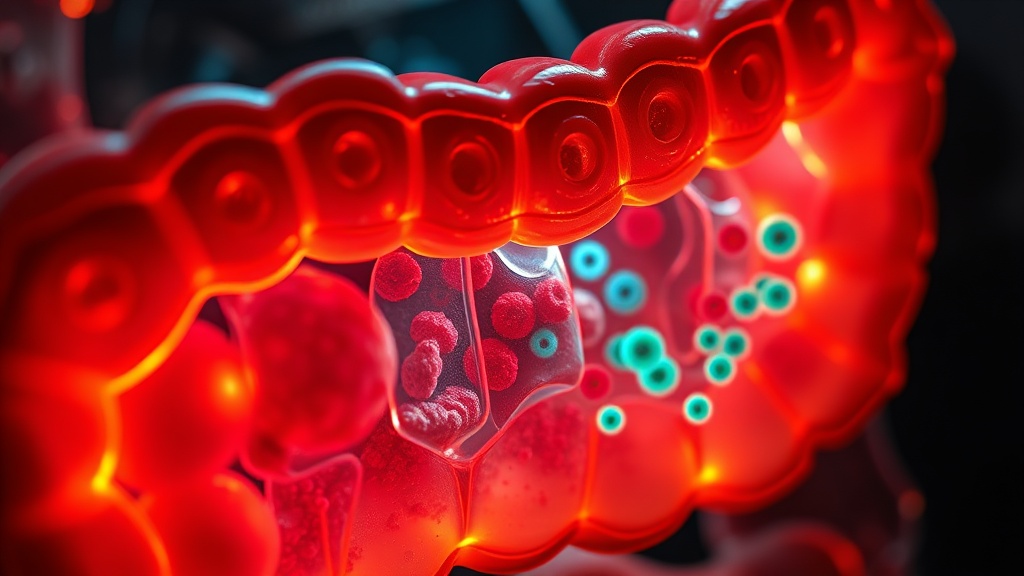
Chemotherapy saves lives and destroys guts. That's the trade-off oncologists have accepted for decades, and it's the trade-off patients live with — sometimes literally choosing between cancer remission and the ability to eat without pain. 5-Fluorouracil (5-FU) causes mucositis in 50–80% of patients receiving it[2]. The intestinal barrier, that single-cell-thick wall separating your internal milieu from a tube of bacteria and food, gets shredded.
The thing about this new research is that it shifts attention away from the probiotic organism itself and toward what the organism produces. We're talking about cell-free supernatants, exopolysaccharides (EPS), and extracellular membrane vesicles — the secretome. This matters for performance optimization because it implies you don't necessarily need colonization for benefit. You need the right molecular signals reaching the right epithelial receptors at the right time. For anyone navigating chemotherapy, or anyone interested in gut barrier resilience as a foundational layer of immune function, this is a dataset worth paying attention to.
THE SCIENCE#
The Damage Model: What 5-FU Actually Does to Your Gut#
5-Fluorouracil is an antimetabolite — it mimics uracil and disrupts DNA and RNA synthesis in rapidly dividing cells. Cancer cells, yes. But also the intestinal epithelium, which renews itself every 3–5 days. The cascade is predictable: impaired cell viability, reduced metabolic activity, compromised barrier integrity, and a shift toward pro-inflammatory cytokine production[1].
In the primary study published in Scientific Reports (April 2026), Caco-2 cells exposed to 5-FU showed exactly this pattern. Barrier integrity dropped. Inflammatory mediators spiked. The functional profile of these enterocyte-like cells shifted hard toward dysfunction[1].
This isn't new information on its own. What's new is the resolution at which the researchers dissected the recovery phase.
Exopolysaccharides: The Star of a Complicated Show#
Here's where the ecosystem dynamics get interesting. After 5-FU was removed, cells were stimulated with three distinct L. reuteri DSM 17938 secreted fractions: cell-free supernatant (CFS), exopolysaccharides (EPS), and extracellular membrane vesicles (EMVs).
EPS stood out. Stimulation with exopolysaccharides significantly improved barrier integrity in both Caco-2 cells and — critically — primary human intestinal epithelial cells[1]. That second model matters. Caco-2 cells are cancer-derived and behave differently from normal tissue. The fact that EPS worked in primary cells gives the finding more weight.
But here's the paradox that makes this study genuinely interesting rather than just another "probiotics are good" story: EPS simultaneously induced a pro-inflammatory protein profile in the Caco-2 enterocyte-like cells[1]. Barrier repair and inflammation at the same time. That sounds contradictory until you think about it in terms of wound healing — controlled inflammation is part of tissue remodeling. Your gut doesn't care about your supplement brand; it cares about getting the right molecular signals to initiate repair cascades.
Transcriptomic analysis confirmed that EPS modulated gene programs associated with extracellular matrix (ECM) organization and structural remodeling[1]. This is consistent with an active tissue repair process rather than passive protection.
Immune Modulation: Three Fractions, Three Different Outcomes#
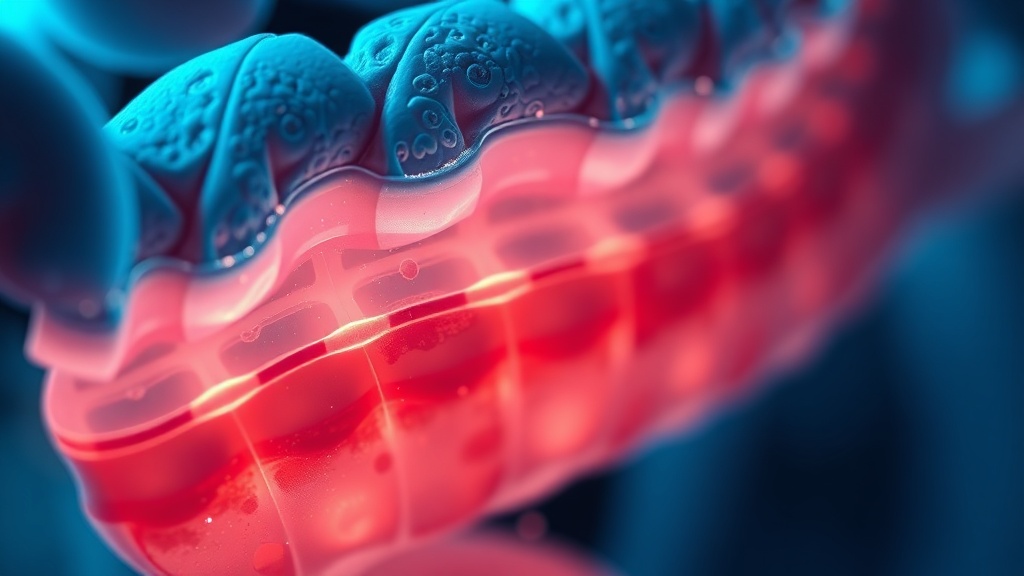
The second half of the study introduced monocytes into the picture. When monocytes were cultured with supernatant from 5-FU-exposed Caco-2 cells (simulating the inflammatory milieu of a chemo-damaged gut), the three L. reuteri fractions — CFS, EMVs, and EPS — each differentially influenced monocyte polarization pathways[1].
This is not a trivial finding. Monocyte polarization determines whether you get tissue-destructive M1-type responses or reparative M2-type responses. The fact that different bacterial metabolite fractions push monocytes in different directions suggests the immune modulation isn't a blunt instrument — it's a set of distinct molecular tools.
I'm less convinced by the monocyte data than the barrier repair data, honestly. Monocyte polarization in vitro doesn't always predict in vivo immune outcomes, and the study didn't include co-culture models that would capture the full epithelial-immune crosstalk. But as a signal? It's worth following.
Corroborating Evidence: Prophylaxis vs. Therapy#
A parallel study in Folia Microbiologica (2025) using a different L. reuteri strain (L. reuteri E) adds texture[2]. This group found that prophylactic administration — giving the probiotic before 5-FU exposure — was more effective than therapeutic use. Prophylactic treatment upregulated occludin and claudin 1 (tight junction proteins), improved cell viability, and shifted the cytokine ratio toward anti-inflammatory (higher A20 and IL-10 vs. IL-1β and IL-8)[2].
The bacteria themselves responded to the damaged environment: EpsF glycosyltransferase gene expression increased 1.5-fold in prophylaxis and 3.4-fold in therapeutic conditions[2]. The bacteria are sensing the damage and upregulating exopolysaccharide production. That's a bidirectional conversation between host and microbe.
Beyond the Gut: Systemic Immune Programming#
Alvarez et al. (2026) in Frontiers in Immunology demonstrated something even more provocative using scurfy mice — a model of regulatory T-cell deficiency[3]. Oral DSM 17938 didn't just modulate gut inflammation; it reprogrammed CD4+ T cells such that when those cells were adoptively transferred into immunodeficient RAG1-knockout mice, they reduced liver inflammation and macrophage infiltration[3].
The probiotic-educated T cells reversed inflammatory gene expression patterns involving Toll-like receptor cascades, inflammatory cytokines, and death receptor signals. They also restored downregulated metabolic genes linked to mitochondrial function, the TCA cycle, and liver detoxification[3].
The thing about this finding is that it implies L. reuteri DSM 17938 doesn't just locally patch the gut — it may fundamentally alter the immune cells that transit through the gut-associated lymphoid tissue. That's systemic immune reprogramming via a microbial intermediary.
AhR Signaling: The Mechanistic Thread#
Multiple studies converge on the aryl hydrocarbon receptor (AhR) pathway. Cen et al. (2025) showed that DSM 17938 modulated tryptophan metabolism in spinal cord injury rats, promoting indole-3-carboxaldehyde production, activating AhR/CYP1A1 signaling, and reducing neuroinflammation[4]. Sajankila et al. (2025) found that biofilm-state L. reuteri had increased AHR ligand production and greater efficacy against necrotizing enterocolitis in premature rodents compared to planktonic-state bacteria[5].
The AhR pathway is emerging as a master regulator connecting microbial tryptophan catabolism to epithelial barrier integrity and immune tolerance. But let me push back slightly: all of this AhR data is preclinical. Mouse models, rat models, cell cultures. We genuinely don't know enough about optimal AhR activation in human chemotherapy patients to make strong recommendations here — and anyone who tells you otherwise is selling something.
EpsF Gene Expression Fold-Change in L. reuteri E
COMPARISON TABLE#
| Method | Mechanism | Evidence Level | Cost | Accessibility |
|---|---|---|---|---|
| L. reuteri EPS (post-5-FU) | ECM remodeling, barrier repair via structural gene modulation | In vitro (Caco-2 + primary human cells) | Low (if commercialized) | Not yet available as isolated product |
| L. reuteri DSM 17938 (live probiotic) | AhR activation via tryptophan catabolism, T-cell modulation | Preclinical animal + in vitro | ~$20–40/month | Commercially available (BioGaia) |
| L. reuteri E (prophylactic) | Tight junction upregulation (occludin, claudin 1), anti-inflammatory cytokine shift | In vitro (Caco-2) | Research-stage | Not commercially available |
| Standard mucositis care (palifermin, cryotherapy) | Keratinocyte growth factor / vasoconstriction | Human RCTs | $1,000–5,000+ per cycle | Hospital setting only |
| Glutamine supplementation | Enterocyte fuel source, barrier support | Mixed human trial data | ~$15–30/month | Widely available OTC |
THE PROTOCOL#
Based on current evidence — which is primarily preclinical — here is a cautious framework for those interested in supporting gut barrier integrity during or around chemotherapy. Discuss any changes with your oncologist before implementing.
-
Establish baseline gut status. Before any chemotherapy cycle, consider a comprehensive stool analysis (e.g., GI-MAP or equivalent) to assess baseline microbial diversity, zonulin levels (a marker of intestinal permeability), and calprotectin (inflammatory marker). This gives you a reference point.
-
Begin L. reuteri DSM 17938 supplementation prophylactically. Early data suggests prophylactic use may be more effective than post-damage therapeutic use[2]. A typical commercial dose is 1×10⁸ CFU per day (the BioGaia Protectis dose used in most clinical research). Start at least 7–14 days before the first chemotherapy cycle if cleared by your medical team.
-
Support tryptophan availability. Since AhR activation by L. reuteri depends on tryptophan catabolism[4][5], ensure adequate dietary tryptophan. Prioritize whole food sources: turkey, eggs, cheese, tofu, salmon. A target of 250–400 mg dietary tryptophan daily is reasonable for most adults.
-
Maintain the probiotic through and after chemotherapy cycles. Do not discontinue during active treatment unless immunocompromised to the point of translocation risk (absolute neutrophil count <500 — discuss with oncology). Continue for at least 4 weeks post-final cycle to support barrier recovery.
-
Consider biofilm-state formulations when available. Sajankila et al. demonstrated that biofilm-state L. reuteri had superior intestinal persistence and AHR activation compared to planktonic forms[5]. Current commercial products are planktonic. If biofilm-state formulations reach market, they may offer improved efficacy.
-
Track recovery markers. Post-chemotherapy, repeat stool analysis at 4 and 12 weeks. Monitor zonulin, calprotectin, and microbial diversity metrics. If barrier markers haven't normalized, consider extending the protocol or adding complementary strategies (e.g., butyrate-producing fiber, 2–5g partially hydrolyzed guar gum daily).
-
Do not rely on this as monotherapy. This is adjunctive. Standard mucositis management — oral cryotherapy, palifermin where indicated, meticulous oral hygiene — remains the evidence-based backbone. Probiotics are a layer in the ecosystem, not a replacement for established care.
Related Video
What are exopolysaccharides and why do they matter for gut repair?#
Exopolysaccharides (EPS) are complex sugar polymers secreted by bacteria into their surrounding environment. In the context of L. reuteri DSM 17938, EPS appear to activate gene programs involved in extracellular matrix organization and structural remodeling of the intestinal epithelium[1]. They may represent the active "drug-like" fraction of what we loosely call "probiotic benefit" — the specific molecules doing the work, not the organism itself.
How does 5-fluorouracil damage the intestinal barrier?#
5-FU is an antimetabolite that disrupts DNA and RNA synthesis in rapidly dividing cells. The intestinal epithelium renews every 3–5 days, making it highly vulnerable. The result is impaired cell viability, loss of tight junction integrity, inflammatory cytokine release, bacterial translocation, and dysbiosis[1][2]. Between 50–80% of patients on 5-FU experience clinically significant mucositis[2].
Why might prophylactic probiotic use be more effective than therapeutic use?#
In vitro data from L. reuteri E suggests that pre-treatment allows the bacteria to establish tight junction protein upregulation (occludin, claudin 1) and shift the cytokine balance toward anti-inflammatory profiles before damage occurs[2]. Once the barrier is already compromised, the inflammatory cascade is harder to reverse. It's easier to reinforce a wall than rebuild one.
What is the aryl hydrocarbon receptor pathway and how does L. reuteri activate it?#
The AhR is a ligand-activated transcription factor involved in immune regulation, barrier integrity, and xenobiotic metabolism. L. reuteri catabolizes dietary tryptophan into indole derivatives (like indole-3-carboxaldehyde) that serve as AhR ligands[4][5]. AhR activation promotes tight junction protein synthesis and suppresses pro-inflammatory immune responses. Multiple preclinical studies converge on this pathway, though human clinical validation remains limited.
Who should consider L. reuteri supplementation during chemotherapy?#
Based on current preclinical evidence, patients undergoing 5-FU-based chemotherapy regimens who are not severely immunocompromised may be reasonable candidates for adjunctive L. reuteri DSM 17938 supplementation — but only after discussion with their oncology team. The honest answer is that optimal dosing, timing, and strain selection in humans are not yet established by large-scale randomized trials.
VERDICT#
Score: 7/10
The primary study is well-designed for what it is — in vitro work with both cancer cell lines and primary human intestinal cells, which adds credibility. The EPS finding is genuinely novel: not just "probiotics help the gut" but "this specific bacterial polymer activates ECM remodeling gene programs and restores barrier function even while triggering controlled inflammation." That's a more sophisticated story than we usually get.
The corroborating evidence from multiple independent groups — prophylactic superiority, AhR signaling convergence, systemic T-cell reprogramming — creates a coherent mechanistic picture. I find the Alvarez et al. adoptive transfer data particularly compelling for what it implies about gut-immune-systemic communication.
But here's the catch: none of this has been validated in human chemotherapy patients in a controlled trial. Cell lines and mouse models are necessary but insufficient. The paradoxical inflammation finding with EPS needs careful investigation before anyone suggests concentrated EPS administration to an already-inflamed gut. And the field still has a replication problem — different L. reuteri strains, different damage models, different readouts.
I'd want to see a Phase I/II trial in 5-FU patients before upgrading this score. The biology is promising. The clinical evidence isn't there yet.
References
- 1.Author(s) not listed. Limosilactobacillus reuteri metabolites modulate immune pathways and intestinal barrier repair after 5 fluorouracil exposure. Scientific Reports (2026). ↩
- 2.Author(s) not listed. Prophylactic and therapeutic effects of Limosilactobacillus reuteri E on 5-fluorouracil-induced intestinal mucositis in Caco-2 cells. Folia Microbiologica (2025). ↩
- 3.Alvarez AF et al.. Limosilactobacillus reuteri alleviates proinflammatory T-cell-mediated liver injury and transcriptomic changes in immunocompromised mice. Frontiers in Immunology (2026). ↩
- 4.Cen Q, Cui Y, Feng J, Zhu L, Wei J, Wang L, Chang C, Pang R, Wang J, Zhang A. Limosilactobacillus reuteri DSM17938 Attenuates Neuroinflammatory Responses After Spinal Cord Injury by Modulating Tryptophan Metabolism. Probiotics and Antimicrobial Proteins (2025). ↩
- 5.Sajankila N, Dumbauld Z, Wang Y, Wala SJ, Ragan MV, Al-Hadidi A, Volpe SG, Wickham J, Mashburn-Warren L, Wayne C, Jacobs T, Narayanan S, Bailey MT, Goodman SD, Besner GE, Mihi B. Biofilm state Limosilactobacillus reuteri modulates aryl hydrocarbon receptor activity and suppresses experimental necrotizing enterocolitis. Pediatric Research (2025). ↩
Dax Miyori
Dax is comfortable with complexity and slightly impatient with people who want clean answers about the microbiome. He writes in systems terms and will point out when a study ignored confounding microbial variables: 'They didn't control for baseline diversity, which makes the result almost uninterpretable.' He uses 'ecosystem' and 'cascade' frequently — not as jargon, but because they're accurate.
View all articles →