Gut Microbial Metabolites and Treg/Th17 Balance in IBD

THE PROTOHUMAN PERSPECTIVE#
The thing about IBD is that it isn't just a gut problem — it's a systems-level immune failure that starts in the microbial ecosystem most people ignore until it's already collapsing. And the cascade from dysbiosis to chronic inflammation isn't some abstract immunological concept. It's happening in real time, in the intestines of roughly 7 million people worldwide, and the numbers are accelerating in newly industrialized nations.
What makes this latest wave of research genuinely important for the performance optimization community is the mechanism: your gut bacteria don't just digest food — they manufacture the molecular signals that decide whether your immune system attacks or tolerates your own tissue. That's not a metaphor. SCFAs like butyrate literally modify the epigenetic landscape of T cells, toggling between inflammatory and regulatory phenotypes.
For anyone tracking HRV optimization, systemic inflammation markers, or autophagy pathways, this axis — microbiota to metabolite to immune cell fate — is upstream of nearly everything. Fix the ecosystem, and you change the immunological output. Ignore it, and no amount of supplementation will compensate for a fundamentally broken signaling environment.
THE SCIENCE#
Treg/Th17 Balance: The Immune Fulcrum#
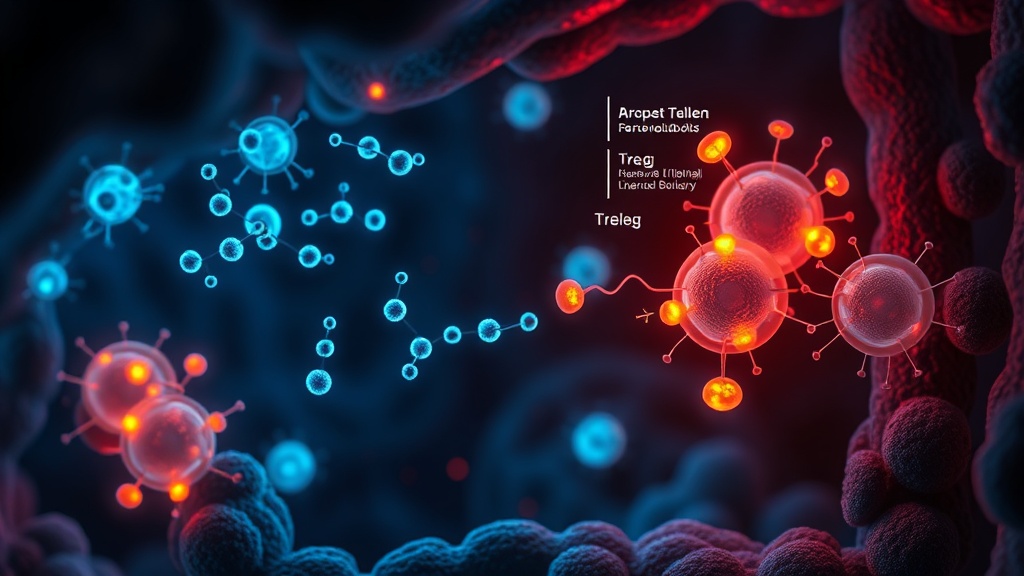
Inflammatory bowel disease is a chronic inflammatory disorder driven by genetic susceptibility, environmental triggers, and dysregulated mucosal immunity against commensal organisms. The Treg/Th17 axis sits at the center of this dysfunction. Th17 cells secrete pro-inflammatory cytokines — primarily IL-17 — that drive persistent intestinal inflammation, while regulatory T cells (Tregs) produce anti-inflammatory cytokines like IL-10 and TGF-β to maintain immune tolerance [3].
In IBD patients, this balance is broken. Th17 cell function is enhanced, Treg cell function is impaired or their numbers are reduced, and the result is a self-reinforcing inflammatory cycle [3]. The question that's occupied the field for the past several years isn't whether this imbalance matters — it does — but what's driving it upstream. The answer, increasingly, points to microbial metabolites.
The Three Metabolite Classes That Matter#
Chen et al. (2026) in their Frontiers in Immunology review lay out the molecular networks through which three metabolite classes regulate Treg and Th17 differentiation [1]. Let me break these down.
Short-chain fatty acids (SCFAs) — butyrate, propionate, and acetate — are fermentation products of dietary fiber by anaerobic bacteria like Faecalibacterium prausnitzii and Clostridia species. SCFAs act as histone deacetylase (HDAC) inhibitors and G protein-coupled receptor (GPR43/GPR109A) ligands. Butyrate in particular enhances Treg stability by inducing FOXP3 expression — the master transcription factor for regulatory T cells — and upregulating IL-10 and TGF-β production [6]. The epigenetic modification here is not trivial: butyrate-mediated HDAC inhibition opens the chromatin landscape at the FOXP3 locus, essentially locking in the regulatory phenotype. When butyrate-producing species decline — as they consistently do in IBD dysbiosis — this epigenetic support disappears.
Tryptophan derivatives, particularly indole metabolites, activate the aryl hydrocarbon receptor (AhR), a nuclear receptor that profoundly influences mucosal immunity. AhR activation in intestinal immune cells promotes IL-22 production, strengthens epithelial barrier integrity, and modulates the Th17/Treg axis. The thing about tryptophan metabolism is that it sits at a crossroads: the same amino acid feeds into serotonin synthesis, kynurenine pathways, and microbial indole production. In dysbiosis, the microbial arm of tryptophan metabolism is suppressed, reducing AhR ligand availability and weakening barrier defense [1] [4].
Secondary bile acids — converted from primary bile acids by gut bacteria — act as ligands for the farnesoid X receptor (FXR) and TGR5. These receptors modulate NF-κB signaling, NLRP3 inflammasome activity, and dendritic cell function, all of which feed into T cell polarization. Yu et al. (2025) specifically highlight that secondary bile acids suppress Th17 differentiation while promoting Treg expansion in preclinical autoimmune models [2].
Metabolic Reprogramming and Epigenetic Cascades#
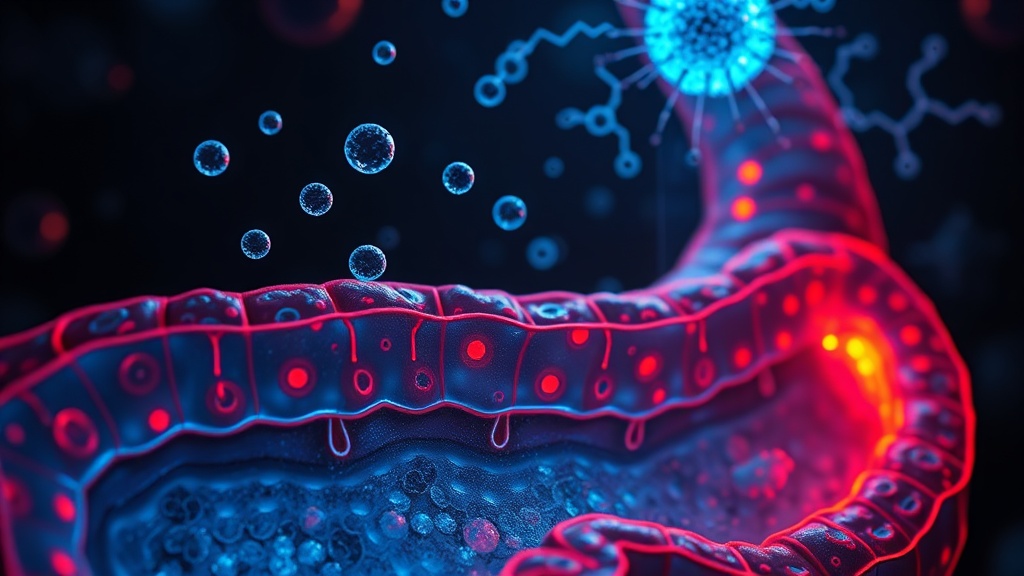
Here's where it gets complicated. These metabolites don't just flip a single switch — they reprogram the entire metabolic and epigenetic landscape of differentiating T cells. Tregs preferentially rely on fatty acid oxidation and oxidative phosphorylation (mitochondrial efficiency, in biohacking terms), while Th17 cells depend on glycolysis. SCFAs, by serving as energy substrates and HDAC inhibitors simultaneously, push naïve CD4+ T cells toward oxidative metabolism and the Treg lineage [1].
Chen et al. (2026) describe this as "cellular metabolic reprogramming" — a framework where the metabolite environment dictates not just which genes are expressed, but which metabolic pathways the cell uses for energy. Disrupt the metabolite supply, and you disrupt the metabolic identity of the immune cell itself. This is the vicious cycle in IBD: dysbiosis reduces beneficial metabolites, which shifts T cell metabolism toward glycolysis and Th17 polarization, which drives inflammation, which further damages the microbial ecosystem [1].
I'm less convinced by some of the bile acid data, honestly. The FXR/TGR5 signaling work is mostly preclinical, and the dose-response relationships in humans are poorly characterized. We genuinely don't know enough about optimal bile acid profiles to make strong recommendations — and anyone who tells you otherwise is selling something.
The Dysbiosis Feedback Loop#
Yu et al. (2025) and Sun et al. (2025) both emphasize that the relationship between dysbiosis and immune dysfunction is bidirectional [2] [5]. Inflammation itself alters the gut environment — oxygen tension, pH, antimicrobial peptide production — in ways that favor pathobionts over beneficial commensals. Pathobionts like Citrobacter rodentium stimulate Th17 differentiation through direct epithelial adhesion, compounding the metabolite deficit [5].
A meta-analysis cited by Sun et al. identified two Clostridia-derived biosynthesis-related gene clusters directly linked to SCFA production capacity [5]. The loss of these clusters in IBD patients provides a mechanistic explanation for the metabolite deficiency. This isn't just "dysbiosis" as a vague concept — it's the loss of specific biosynthetic capacity that removes a defined immunoregulatory input.
Key Microbial Metabolite Mechanisms in Treg/Th17 Regulation
COMPARISON TABLE#
| Method | Mechanism | Evidence Level | Cost | Accessibility |
|---|---|---|---|---|
| Dietary fiber intervention | Increases SCFA production via microbial fermentation; butyrate induces FOXP3+ Tregs | Multiple human trials, preclinical models | Low ($20-50/month) | High — available globally |
| Fecal microbiota transplant (FMT) | Restores microbial ecosystem diversity and metabolite production capacity | Moderate — human trials in IBD with mixed results | High ($1,000-10,000/procedure) | Low — requires clinical setting, donor screening |
| Targeted probiotics (e.g., F. prausnitzii, Clostridia consortia) | Directly supplies SCFA-producing species; may restore Treg-supporting metabolite levels | Preclinical strong; human data emerging | Moderate ($30-80/month) | Moderate — strain-specific products limited |
| Postbiotic/metabolite supplementation (butyrate, indole-3-aldehyde) | Direct delivery of immunoregulatory metabolites bypassing microbial production | Preclinical; small human pilots | Moderate ($40-100/month) | Moderate — quality varies widely |
| Engineered probiotics (synthetic biology) | Programmable metabolite delivery with spatial and temporal control | Early preclinical / proof-of-concept | Unknown (not yet commercialized) | Very low — research stage only |
| Anti-IL-17 biologics (standard of care comparison) | Direct cytokine blockade of Th17 effector function | Strong — multiple Phase III RCTs | Very high ($15,000-40,000/year) | Moderate — requires prescription, monitoring |
THE PROTOCOL#
The following protocol is based on current evidence for supporting Treg/Th17 balance through the microbiota-metabolite-immune axis. This is not a replacement for IBD treatment under medical supervision. Frame this as: based on available data, if you choose to trial these interventions alongside conventional care.
Step 1: Establish baseline microbial diversity. Before any intervention, get a comprehensive stool metagenomic test (16S rRNA or shotgun sequencing). Look specifically for Faecalibacterium, Roseburia, Eubacterium, and Clostridia cluster IV/XIVa abundance. Without baseline data, you're guessing — and your gut doesn't care about your supplement brand.
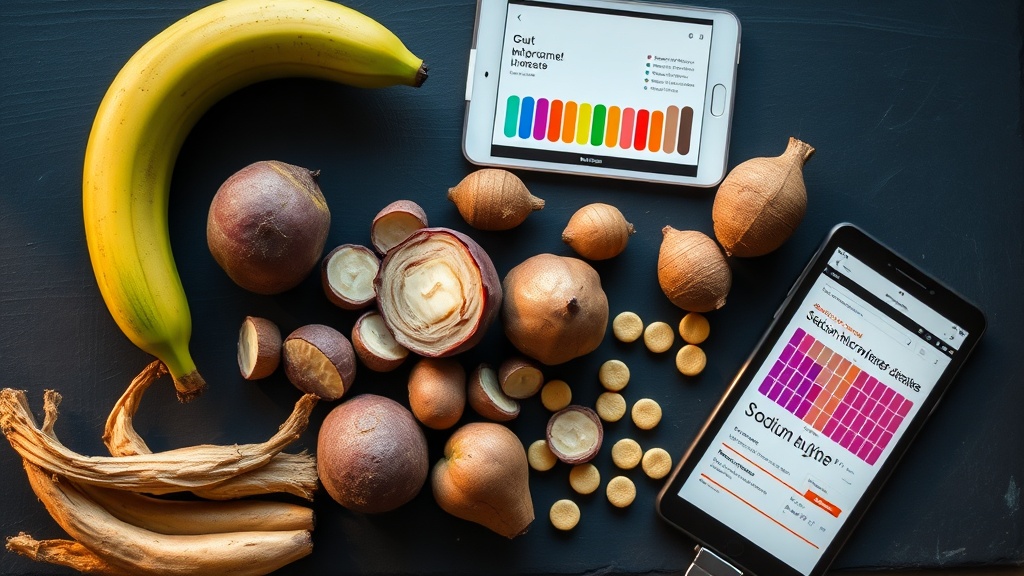
Step 2: Increase dietary fiber to 30-40g/day from diverse sources. Prioritize resistant starch (cooked and cooled potatoes, green bananas), inulin (chicory, Jerusalem artichoke), and pectin (apples, citrus). Diversity of fiber types matters more than total grams — different fibers feed different SCFA-producing species. Ramp up slowly over 2-3 weeks to avoid GI distress.
Step 3: Introduce targeted tryptophan-rich foods. Turkey, eggs, cheese, nuts, and seeds provide substrate for microbial indole production and AhR activation. Aim for 250-400mg dietary tryptophan daily. This is not about supplementing isolated tryptophan — it's about providing substrate that the microbial ecosystem can convert to immunoregulatory indoles.
Step 4: Consider sodium butyrate supplementation (300-600mg, 2x daily with meals). This partially compensates for reduced endogenous butyrate production in dysbiotic states. Enteric-coated formulations are preferred for colonic delivery. I'd want to see this replicated in larger trials before calling it definitive, but the mechanistic rationale is sound and the safety profile is favorable.
Step 5: Add a multi-strain probiotic containing verified Lactobacillus and Bifidobacterium strains (minimum 10 billion CFU). If available, seek formulations including F. prausnitzii or Clostridia consortia — though these are still uncommon commercially. Take on an empty stomach, 30 minutes before breakfast.
Step 6: Reduce processed food intake and emulsifiers. Polysorbate-80 and carboxymethylcellulose — common food emulsifiers — have been shown to disrupt the mucus layer and promote dysbiosis in animal models. Check ingredient labels. This step is often overlooked but may be as important as what you add.
Step 7: Reassess at 8-12 weeks. Repeat metagenomic testing. Track inflammatory markers (fecal calprotectin, CRP) if working with a clinician. Microbial ecosystem shifts take time — expecting results in 2 weeks reflects a misunderstanding of the timeline.
Related Video
VERDICT#
Score: 7/10
The mechanistic picture here is genuinely compelling. The data connecting microbial metabolites to Treg/Th17 balance through epigenetic and metabolic reprogramming pathways is well-supported across multiple review-level syntheses. But — and this is the catch — almost all of this architecture is built on preclinical models and observational human data. The interventional human trials are small, heterogeneous, and often poorly controlled for baseline microbial diversity. They didn't control for baseline diversity in most cases, which makes individual results almost uninterpretable.
The dietary and butyrate supplementation approaches are low-risk and mechanistically rational. FMT and engineered probiotics remain too immature for confident recommendation. I'd score this higher if we had even one large, well-designed RCT showing that restoring specific metabolite levels in IBD patients reliably shifts Treg/Th17 ratios and improves clinical endpoints. We're not there yet. The ecosystem is real, the cascade is plausible, but the clinical translation is still catching up to the molecular biology.
Frequently Asked Questions5
References
- 1.Chen H, Yu S, Zhang M, Tian B, Yang L, Lu J. Gut microbial metabolites in inflammatory bowel disease: immunological mechanisms regulating Treg/Th17 balance and therapeutic potential. Frontiers in Immunology (2026). ↩
- 2.Yu Q, Yu D, Yu J, Yang Y, Zeng S, Xie J, Li S, Li Z, Xiong Y, Li G. Gut microbiota-derived metabolites modulate Treg/Th17 balance: novel therapeutic targets in autoimmune diseases. Frontiers in Immunology (2025). ↩
- 3.Hu Y, Yang Y, Li Y, Zhang Q, Zhang W, Jia J, Han Z, Wang J. Th17/Treg imbalance in inflammatory bowel disease: immunological mechanisms and microbiota-driven regulation. Frontiers in Immunology (2025). ↩
- 4.Yu S, Zhang M, Dou Z, Tian B, Lu J. Gut microbiota metabolites in the immunoregulation of enteritis: research progress. Frontiers in Immunology (2025). ↩
- 5.Sun K, Wang D, Li Y, Shen X. The gut microbiota and its metabolites: novel therapeutic targets for inflammatory bowel disease. Frontiers in Immunology (2025). ↩
- 6.Zeng L, Qian Y, Cui X, Zhao J, Ning Z, Cha J, Wang K, Jia J, Dou T, Chen H, Liu L, Bao Z, Jian Z, Ge C. Immunomodulatory role of gut microbial metabolites: mechanistic insights and therapeutic frontiers. Frontiers in Microbiology (2025). ↩
Dax Miyori
Dax is comfortable with complexity and slightly impatient with people who want clean answers about the microbiome. He writes in systems terms and will point out when a study ignored confounding microbial variables: 'They didn't control for baseline diversity, which makes the result almost uninterpretable.' He uses 'ecosystem' and 'cascade' frequently — not as jargon, but because they're accurate.
View all articles →