Intermittent Fasting, Autophagy, and Brain Aging: What Science Shows

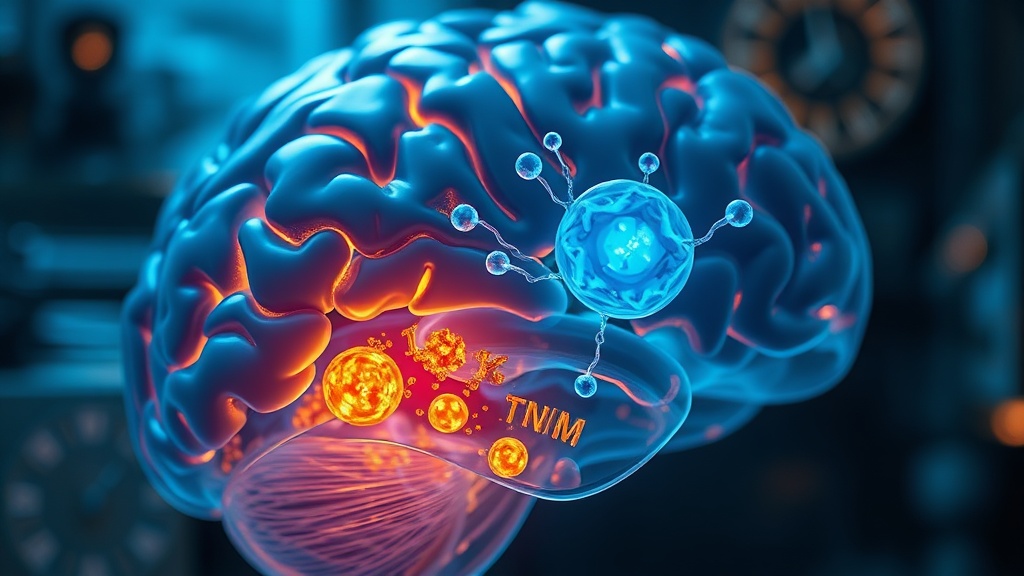
SNIPPET: Intermittent fasting may protect the aging brain by reactivating autophagy — the cellular cleanup system that degrades misfolded proteins and damaged organelles. A March 2026 review in Cellular and Molecular Neurobiology details how IF activates AMPK and Sirtuin 1 pathways while suppressing mTOR, clearing senescent cells linked to neurodegeneration. Evidence remains largely preclinical; optimal human protocols are not yet established.
THE PROTOHUMAN PERSPECTIVE#
Your brain is accumulating cellular garbage right now. Every hour, misfolded proteins aggregate, damaged mitochondria leak reactive oxygen species, and senescent "zombie cells" pump out inflammatory signals that accelerate cognitive decline. This isn't a disease state — it's the default trajectory of aging.
What makes this new review from Cellular and Molecular Neurobiology (March 2026) worth your attention is the specificity of the mechanism it maps. We're not talking about vague "fasting is good for you" claims. The paper traces exactly how intermittent fasting flips the AMPK–mTOR switch to reactivate autophagy pathways that age progressively disables — and how that clearance mechanism directly targets the senescent cell accumulation now understood to drive neuroinflammation.
This is the first review to triangulate autophagy, cellular senescence, and brain aging as a single interconnected system with IF as the intervention lever. For anyone optimizing cognitive longevity, the mechanistic picture just got substantially clearer. The catch: most of this data is preclinical. I'll be honest about where the evidence is strong and where it's still promissory.
THE SCIENCE#
Autophagy: Your Brain's Neglected Waste System#
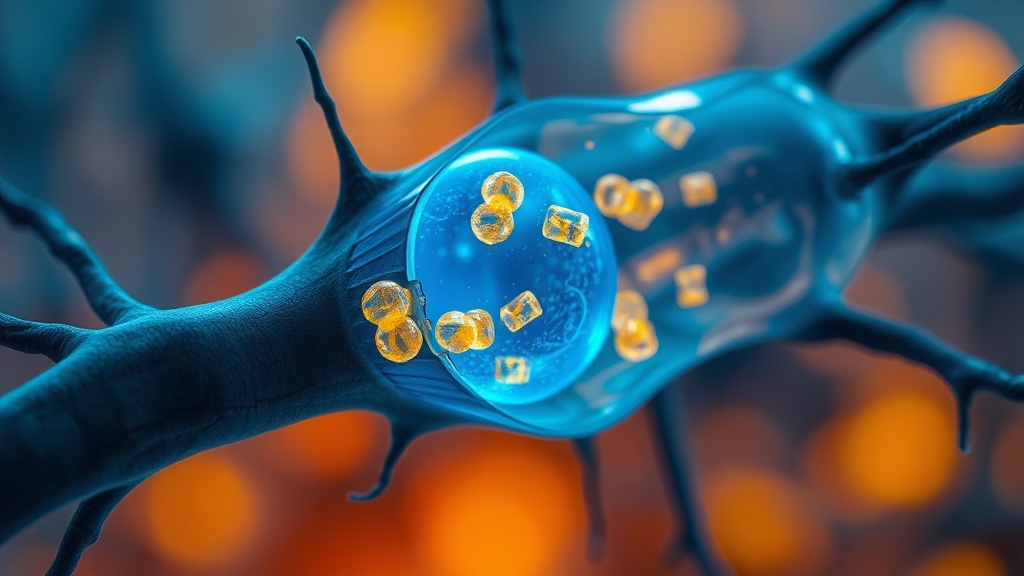
Autophagy — from the Greek auto (self) and phagein (to eat) — is the lysosome-mediated degradation process that clears damaged proteins, dysfunctional mitochondria, and other cellular debris. In a young, healthy brain, this system runs continuously. It's essential for maintaining cellular homeostasis and, by extension, cognitive function[1].
Here's the problem. Autophagy declines with age. The machinery doesn't break all at once — it erodes. Autophagosome formation slows, lysosomal acidification weakens, and the net result is accumulation. Misfolded tau. Amyloid-beta aggregates. Damaged mitochondria that leak electrons and generate oxidative stress. The 2026 review by the team publishing in Cellular and Molecular Neurobiology frames this decline not as a symptom of aging but as a mechanistic driver of it[1].
This isn't a new idea. But the way they integrate it with cellular senescence is.
Senescent Cells: The Zombie Problem in Your Cortex#
Cellular senescence — the irreversible arrest of cell division — is now classified as a hallmark of biological aging. Senescent cells don't just sit quietly. They secrete a cocktail of pro-inflammatory cytokines, chemokines, and proteases collectively known as the senescence-associated secretory phenotype (SASP). In the brain, this SASP disrupts the blood-brain barrier, activates microglial cells into chronic inflammatory states, and accelerates neurodegeneration[6].
The 2025 review in Biogerontology by researchers examining neuroinflammaging documented how dysregulated glial cells and dysfunctional astrocytes create what they call a "neuroinflammatory landscape" — chronic low-grade inflammation that compounds over decades[6]. This is the environment in which Alzheimer's, Parkinson's, and vascular dementia flourish.
The critical link the 2026 review emphasizes: functional autophagy is one of the primary mechanisms for clearing senescent cells from neural tissue. When autophagy fails, senescent cells accumulate. When senescent cells accumulate, neuroinflammation escalates. It's a feedback loop, and it accelerates with every passing year.
The AMPK–mTOR Switch: How Fasting Flips the Script#
Intermittent fasting intervenes at a precise molecular junction. During fasting, ATP levels drop and ADP rises. This energy deficit activates AMP-activated protein kinase (AMPK), the cell's master energy sensor. Simultaneously, the NAD+-dependent deacetylase Sirtuin 1 (SIRT1) is upregulated — a pathway intimately linked to NAD+ synthesis and mitochondrial efficiency[1][2].
Here's where it gets mechanistically elegant. AMPK activation and SIRT1 upregulation both converge on the same target: they promote autophagosome formation while simultaneously inhibiting mTOR (mechanistic target of rapamycin), the primary negative regulator of autophagy[1]. mTOR is essentially the "growth and storage" signal — when nutrients are abundant, mTOR stays active and autophagy stays suppressed. Fasting removes that brake.
The downstream effects cascade through the brain:
- Autophagosome formation increases, clearing protein aggregates
- Damaged mitochondria are selectively degraded via mitophagy, improving mitochondrial efficiency
- Senescent cells are targeted for clearance, reducing SASP-driven neuroinflammation
- Ketone bodies (produced during fasting from fatty acid oxidation) provide an alternative fuel source that may enhance neuronal bioenergetics[2][5]
Proteome Reprogramming: The Vascular Dementia Evidence#
The most compelling preclinical data comes from Tabassum et al. (2025), published in Theranostics. Their team didn't just observe behavioral improvements — they mapped the entire brain proteome in a vascular dementia mouse model subjected to intermittent fasting[3].
The results showed that IF reprogrammed the brain's protein expression profile, preventing synaptic degeneration and preserving cognitive function. This is proteomics-level evidence, not just behavioral scoring. The fasting intervention protected synaptic architecture — the physical connections between neurons that underpin memory and cognition[3].
I'm less convinced by some of the broader claims in the IF-neurodegeneration literature, though. Lv et al. (2025) in Metabolism summarized animal and human studies showing IF promotes synapse formation while modulating oxidative stress and inflammation[2]. The problem? The human studies are small, heterogeneous in design, and use different IF protocols. We're comparing 16:8 time-restricted eating, alternate-day fasting, and 5:2 protocols as if they're the same intervention. They're not.
The Gut-Brain Axis: A Second Pathway#
Zhao et al. (2025) in Frontiers in Nutrition added another dimension: IF's effects on the gut-brain axis (GBA)[5]. Their review synthesized evidence showing IF enriches probiotic populations, restores intestinal barrier integrity (reducing "leaky gut"), and rebalances the Firmicutes-to-Bacteroidetes ratio. The downstream effects include increased short-chain fatty acid (SCFA) production and enhanced tryptophan-derived serotonin synthesis[5].
The GBA findings link IF to both cognitive protection and mental health outcomes — anxiety and depression remission were associated with these microbial shifts in preclinical models. But let me push back: most of this gut-brain data comes from rodent studies, and the human microbiome is substantially more variable. I'd want to see large-cohort human trials before building a protocol around microbiome optimization via IF.
Hein et al. (2025) in Nutrients reinforced this dual-pathway model — IF modulates both the metabolic reprogramming pathway (AMPK/mTOR/autophagy) and the gut-microbiota-metabolite-brain axis simultaneously[4]. The convergence of these two independent research groups on the same dual-mechanism model is, I think, the strongest signal here.
IF Neuroprotective Mechanisms Across Reviews
COMPARISON TABLE#
| Method | Mechanism | Evidence Level | Cost | Accessibility |
|---|---|---|---|---|
| Intermittent Fasting (16:8 / ADF) | AMPK/SIRT1 activation → mTOR inhibition → autophagy upregulation + gut-brain axis modulation | Preclinical strong; human RCTs limited | Free | High — no equipment or supplements needed |
| Rapamycin (mTOR inhibitor) | Direct mTOR inhibition → autophagy induction | Strong preclinical; early human trials | $50–200/month (off-label) | Low — requires prescription, monitoring |
| Spermidine Supplementation | Autophagy induction via acetyltransferase inhibition | Moderate preclinical; small human trials | $20–40/month | Moderate — supplement availability varies |
| Senolytic Drugs (Dasatinib + Quercetin) | Direct senescent cell clearance | Emerging human trial data | $100–300/cycle | Low — experimental, clinical supervision required |
| Caloric Restriction (continuous) | Similar AMPK/SIRT1 pathways, sustained | Strong preclinical; moderate human data | Free | Low — adherence is very poor long-term |
THE PROTOCOL#
Based on current evidence — and acknowledging that optimal human dosing for neuroprotection is not yet established — here's how to structure an intermittent fasting protocol oriented toward brain autophagy activation.
Step 1: Choose your IF window based on your baseline. If you've never fasted intentionally, start with a 14:10 protocol (14 hours fasted, 10-hour eating window) for 2 weeks before progressing. The 16:8 window isn't special — the mechanism doesn't care about that specific split. What matters is achieving sufficient glycogen depletion to trigger the metabolic switch to ketone body production, which typically occurs between 12–16 hours of fasting depending on your activity level and glycogen stores[1][2].
Step 2: Anchor your eating window to your circadian rhythm. The data on circadian alignment and autophagy pathways suggests earlier eating windows (e.g., 8 AM–4 PM) may produce stronger neuroprotective effects than late eating windows. This aligns with SIRT1 expression patterns, which follow circadian oscillation. If you're eating your last meal at 10 PM, you're fighting your own biology.
Step 3: During the fasting window, support ketogenesis. Black coffee and green tea are acceptable — both contain compounds (caffeine, EGCG) that may independently support autophagy pathways. Do not add MCT oil or butter to your coffee during the fast. (Yes, I know the biohacking community loves this. The calories blunt the AMPK signal. That's the opposite of what you want.)
Step 4: Prioritize nutrient density in your eating window. This is where most IF practitioners fail. The autophagy benefits of fasting are undermined if your feeding window consists of processed food that drives chronic inflammation. Focus on: omega-3 fatty acids (cold-water fish, wild-caught), polyphenol-rich foods (berries, dark leafy greens), and adequate protein for synaptic maintenance (1.2–1.6g/kg body weight)[4][5].

Step 5: Consider cycling intensity. Alternate-day fasting (ADF) may produce stronger autophagy activation than daily time-restricted eating, based on preclinical evidence[1]. But adherence drops significantly with ADF. A practical compromise: 16:8 on five days, one 24-hour fast per week, one unrestricted day. This hasn't been validated in a controlled trial for neuroprotection specifically — I'm extrapolating from the mechanistic data.
Step 6: Track biomarkers if possible. Blood ketone levels (beta-hydroxybutyrate) above 0.5 mmol/L indicate you've likely crossed the metabolic switch threshold. HRV optimization data can serve as a proxy for autonomic nervous system adaptation to fasting stress. If your HRV consistently drops during fasting days, you may be overdoing it.
Step 7: Know when to stop. If you're doing fasting to compensate for a bad diet, stop. If you have a history of disordered eating, this protocol is not for you. If you're experiencing persistent brain fog, irritability, or sleep disruption after 3-4 weeks of adaptation, the protocol may not suit your individual physiology. The 2026 review explicitly notes that "responses may vary incredibly among subjects"[1].
Related Video
What is autophagy and why does it decline with age?#
Autophagy is your cells' built-in recycling system — it breaks down damaged proteins, dysfunctional mitochondria, and other waste via lysosomal degradation. With age, the machinery erodes: autophagosome formation slows, lysosomal function weakens, and cellular debris accumulates. This decline is now understood as a direct driver of neurodegeneration, not merely a symptom of it[1].
How long do you need to fast to activate brain autophagy?#
Honestly, we don't have a precise answer for humans. Preclinical data suggests the metabolic switch — from glucose to ketone body metabolism — occurs roughly 12–16 hours into a fast, and this switch correlates with AMPK activation and mTOR suppression[1][2]. Individual variation is significant, though. Monitoring blood ketones (beta-hydroxybutyrate > 0.5 mmol/L) is the closest proxy we currently have.
Why is intermittent fasting potentially better than continuous caloric restriction for brain health?#
The cycling matters. Intermittent fasting produces repeated metabolic stress-recovery cycles that may upregulate adaptive stress response pathways (hormesis) more effectively than continuous restriction. The periodic re-feeding phase appears important for cellular repair and synaptic protein synthesis. Continuous restriction also has dramatically worse adherence rates, which makes it functionally irrelevant for most people[2][4].
Who should avoid intermittent fasting protocols?#
Anyone with a history of eating disorders, pregnant or breastfeeding individuals, people with type 1 diabetes or on insulin therapy without medical supervision, and adolescents whose brains are still developing. The 2026 review specifically flags that IF responses vary enormously between individuals, and the potential for metabolic disruption in susceptible populations is not fully understood[1].
How does the gut-brain axis mediate fasting's neuroprotective effects?#
IF alters gut microbiota composition — enriching beneficial bacteria and rebalancing the Firmicutes-to-Bacteroidetes ratio. These microbial shifts increase production of short-chain fatty acids (SCFAs) and tryptophan derivatives that cross the blood-brain barrier, supporting serotonin synthesis and reducing neuroinflammation[5]. This is a second, independent pathway from the direct AMPK/autophagy mechanism, and the convergence of both is what makes IF particularly interesting as a neuroprotective strategy.
VERDICT#
7.5/10
The mechanistic story is compelling and increasingly well-mapped. The 2026 review pulls together autophagy, senescence, and brain aging into a coherent framework, and the supporting evidence from proteomics-level studies (Tabassum et al.) and gut-brain axis research adds real depth. But — and this is a significant but — the overwhelming majority of this evidence is preclinical. We're building human protocols from mouse models and cell cultures, and I've seen too many promising rodent findings collapse in human trials to score this higher. The intervention itself (IF) is free, accessible, and low-risk for most healthy adults, which boosts the practical score. I'd want to see at least two well-designed human RCTs specifically measuring autophagy biomarkers and cognitive outcomes before moving this above an 8. For now: promising mechanism, plausible protocol, insufficient human proof.
References
- 1.Author(s) not listed. Interplay Between Autophagy, Cellular Senescence, and Brain Aging: Neuroprotective Implications of Intermittent Fasting. Cellular and Molecular Neurobiology (2026). ↩
- 2.Lv R, Liu B, Jiang Z, Zhou R, Liu X, Lu T, Bao Y, Huang C, Zou G, Zhang Z, Lu L, Yin Q. Intermittent fasting and neurodegenerative diseases: Molecular mechanisms and therapeutic potential. Metabolism (2025). ↩
- 3.Tabassum NI, Selvaraji S, Fan Y, Lim VJT, Cheng X, Peng X, Arora A, Rajeev V, Ratcliffe J, Johnson CJ, Datta KK, Lowe R, Ebrahimi M, Dinh QN, De Silva TM, Sobey CG, Wong P, Weng EFJ, Jo DG, Chen CP, Lai MKP, Arumugam TV. Intermittent fasting reprograms the brain proteome to prevent synaptic degeneration and cognitive impairment in vascular dementia. Theranostics (2025). ↩
- 4.Hein ZM, Arbain MFF, Kumar S, Mehat MZ, Abdul Hamid H, Che Ramli MD, Che Mohd Nassir CMN. Intermittent Fasting as a Neuroprotective Strategy: Gut–Brain Axis Modulation and Metabolic Reprogramming in Neurodegenerative Disorders. Nutrients (2025). ↩
- 5.Zhao Z, Geng W, Gao Y, Liu Y, Nie S, Yin Q. Effects of intermittent fasting on brain health via the gut–brain axis. Frontiers in Nutrition (2025). ↩
- 6.Author(s) not listed. Neuroinflammaging and the Immune Landscape: The Role of Autophagy and Senescence in Aging Brain. Biogerontology (2025). ↩
Tara Miren
Tara is warm but sharp. She will directly contradict popular nutrition narratives mid-article without building up to it: 'The 16:8 window isn't special. The mechanism doesn't care about that specific split.' She uses parenthetical asides like a real person thinking out loud: '(and yes, I've heard every objection to this — they're mostly wrong)'. She'll acknowledge when she changed her mind based on a paper: 'I used to recommend X. I don't anymore.'
View all articles →