
Intermittent Fasting Destroys Plasma Cells and Vaccine Immunity

SNIPPET: Intermittent fasting depletes long-lived plasma cells (LLPCs) from bone marrow survival niches via β-hydroxybutyrate, reducing antigen-specific IgG antibodies and impairing humoral immunity. In mouse models, fasted animals showed reduced protection against influenza and SARS-CoV-2 after vaccination. This preclinical finding challenges the blanket assumption that fasting is universally beneficial.
THE PROTOHUMAN PERSPECTIVE#
Here's a finding that should make every biohacker who fasts regularly and also got vaccinated last season sit up straight. Long-lived plasma cells — the quiet workhorses of your immune memory — apparently don't survive well when you're fasting. The metabolite β-hydroxybutyrate (BHB), the same ketone body we celebrate for its neuroprotective and anti-inflammatory properties, may be the molecule evicting these cells from their bone marrow homes.
This matters because the optimization community has largely treated fasting as a free lunch (pun intended). Autophagy pathways get activated, mitochondrial efficiency improves, NAD+ synthesis gets a nudge. All true. But the immune system isn't a monolith, and what benefits cellular cleanup may simultaneously erode humoral defense. The trade-off nobody was talking about is now published in Immunity.
I used to recommend time-restricted feeding to almost everyone. I'm now more careful about that, and this paper is one reason why.
THE SCIENCE#
What Are Long-Lived Plasma Cells and Why Should You Care?#
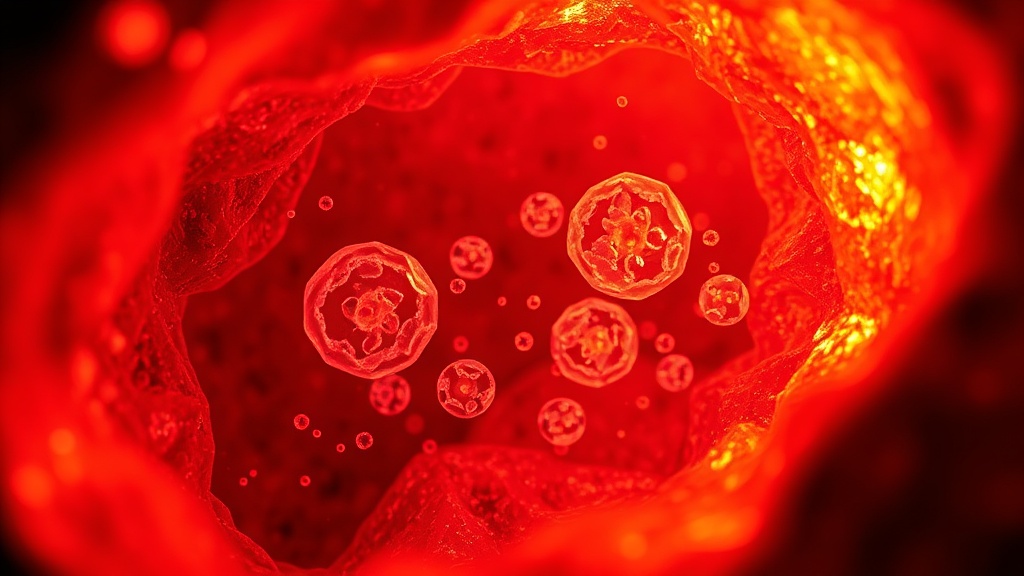
Long-lived plasma cells (LLPCs) are terminally differentiated B cells that take up residence in specialized bone marrow niches after you fight off an infection or receive a vaccine[1]. They are not circulating. They are not patrolling. They sit in the marrow and continuously secrete antigen-specific antibodies — IgG, primarily — into your bloodstream for months, years, sometimes decades. They are the reason you don't get measles twice.
The survival of LLPCs depends on extrinsic signals from their bone marrow microenvironment: cytokines like APRIL and IL-6, adhesion molecules, and metabolic substrates. Disrupt that niche, and the cells die or are displaced. Until this study, the metabolic inputs controlling that niche were poorly characterized.
The Zhu et al. Finding: BHB as the Eviction Mechanism#
Zhu et al. (2026), published in Immunity, demonstrated that intermittent fasting — specifically alternate-day fasting (ADF) and prolonged fasting protocols — impairs humoral immunological memory in mouse models[2]. The mechanism is direct: fasting elevates circulating β-hydroxybutyrate, and BHB mediates the depletion of antigen-specific plasma cells from bone marrow.
The catch, though. This isn't a minor effect seen in one model.
The researchers tested across multiple vaccination contexts: NP-KLH (a standard immunology model antigen), inactivated influenza vaccine, and the SARS-CoV-2 vaccine Ad5-nCoV. In every case, mice that began fasting more than 8 weeks post-vaccination — meaning the LLPCs were already established — showed reduced antigen-specific IgG in serum and fewer antigen-specific LLPCs in bone marrow[1][2].
Functionally, this translated to worse outcomes. Fasted, vaccinated mice had reduced protection against live influenza virus challenge. Serum from fasted mice showed diminished neutralization in a SARS-CoV-2 pseudovirus assay[1].
And it wasn't limited to vaccines. In mice naturally infected with lymphocytic choriomeningitis virus (LCMV), fasting initiated 8+ weeks post-infection similarly reduced anti-LCMV IgG levels[1].
The BHB Paradox#
This is where I need to push back on the simplistic narrative that's going to emerge from this paper.
BHB is not a villain. It's a metabolic substrate that fuels the brain during glucose scarcity, activates HDAC inhibition pathways linked to longevity gene expression, and has demonstrated anti-inflammatory properties across multiple tissue types. The biohacking community has spent a decade celebrating ketone bodies — and not without reason.
But BHB's effects are tissue-specific and context-dependent. What looks like beneficial HDAC inhibition in neurons may look like destructive niche disruption in bone marrow. The immune system operates on different metabolic logic than the brain. Plasma cells are metabolic specialists — they are essentially antibody factories with enormous biosynthetic demands, and their survival depends on stable metabolic inputs from their microenvironment.
What This Study Doesn't Tell Us#
I'd want to see several things before applying this to human protocols:
The study is entirely in mice. Mouse immune systems differ from human immune systems in LLPC lifespan, bone marrow architecture, and metabolic regulation. Preclinical data suggests a mechanism — it doesn't prove the same magnitude of effect occurs in humans.
We also don't know the dose-response curve for BHB's effect on LLPCs. Is there a threshold below which the effect is negligible? Does a 16:8 time-restricted eating window (which produces far less ketosis than ADF) trigger the same displacement? Honestly, we don't know yet. The fasting protocols used — alternate-day fasting and prolonged fasting — are more extreme than what most people practice.
And the big unanswered question: is the LLPC depletion reversible upon refeeding? If the cells are evicted but can recolonize the niche when fasting stops, the clinical implications change dramatically.
COMPARISON TABLE#
| Method | Mechanism | Evidence Level | Cost | Accessibility |
|---|---|---|---|---|
| Alternate-Day Fasting (ADF) | Elevates BHB → displaces LLPCs from bone marrow niche | Preclinical (mouse models, multiple antigens) | Free | High |
| Time-Restricted Eating (16:8) | Mild ketosis, lower BHB peaks | No direct data on LLPC impact | Free | High |
| Prolonged Fasting (48-72h) | Sustained BHB elevation + autophagy activation | Preclinical evidence of LLPC depletion[2] | Free | Moderate (requires supervision) |
| Standard Eating Pattern | Stable glucose, minimal BHB | Baseline for LLPC maintenance | N/A | High |
| Exogenous Ketone Supplements | Direct BHB elevation without caloric restriction | No data on LLPC effects (theoretical risk) | $30-80/month | Moderate |
THE PROTOCOL#
How to maintain fasting benefits while protecting your immune memory — based on current (limited) evidence:
1. Avoid extended fasting in the 8-12 weeks following vaccination. The data from Zhu et al. shows that LLPCs are vulnerable to BHB-mediated displacement once established in bone marrow (8+ weeks post-immunization)[2]. If you've recently been vaccinated, keep your fasting windows conservative — 12-14 hours maximum — during this critical window. (And yes, this includes your annual flu shot.)
2. Favor time-restricted eating over alternate-day fasting if you're optimizing for immune preservation. A 16:8 or 14:10 eating window produces substantially less circulating BHB than ADF. Until human dose-response data exists, this is the pragmatic middle ground. The autophagy benefits of mild fasting likely don't require the deep ketosis that displaces plasma cells.
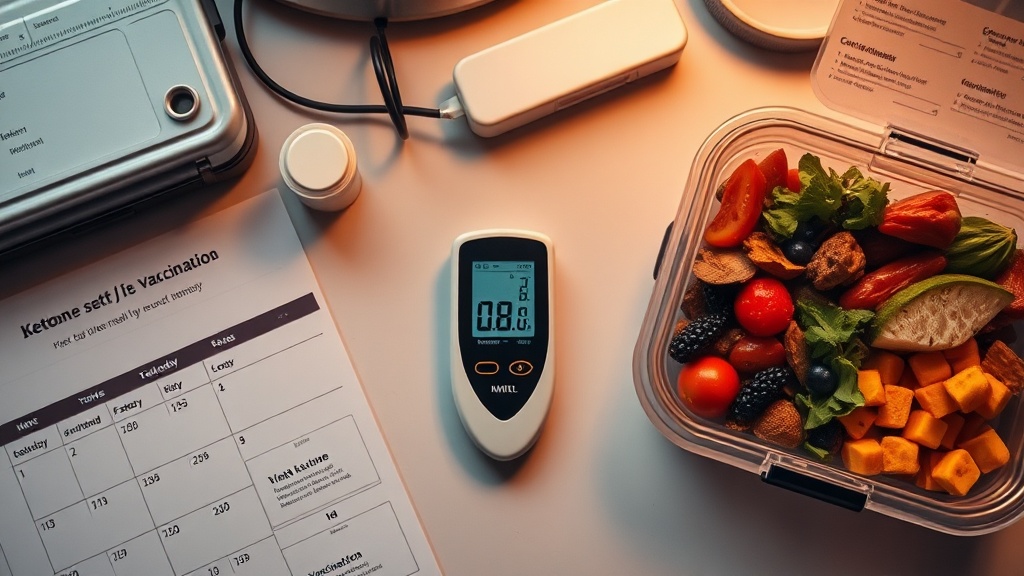
3. Monitor ketone levels if you practice extended fasting. A blood ketone meter (measuring BHB directly) costs around $30-50. If your BHB regularly exceeds 1.5-2.0 mmol/L during fasting periods, you're in the range where preclinical data suggests LLPC disruption may occur. This isn't a hard threshold — we don't have human data to establish one — but it's a reasonable proxy.
4. Consider periodizing your fasting around your immune calendar. If you do extended fasts for metabolic or longevity benefits, schedule them away from vaccination periods. A 3-5 day fast in month 6 post-vaccination is a different risk proposition than the same fast in month 2.
5. Don't abandon fasting entirely. This is preclinical mouse data. The metabolic benefits of time-restricted eating — improved insulin sensitivity, circadian rhythm alignment, reduced inflammatory markers — are supported by human clinical trials. The goal is nuance, not panic. Adjust the protocol, don't throw it out.
6. Track your antibody titers if you're a serious optimizer. Quantitative antibody testing (available through services like Quest Diagnostics or LabCorp) can show you whether your antigen-specific IgG levels are declining faster than expected. If you fast regularly and notice rapid titer decay, this paper gives you a mechanistic explanation — and a variable to modify.
Related Video
What is a long-lived plasma cell and why does it matter for immunity?#
A long-lived plasma cell (LLPC) is a specialized immune cell that lives in your bone marrow and continuously produces antibodies against pathogens you've previously encountered or been vaccinated against. Without LLPCs, your humoral immune memory degrades — meaning vaccines lose effectiveness over time and you become susceptible to reinfection. They're essentially the biological infrastructure behind lasting immunity.
How does intermittent fasting damage immune memory according to this study?#
Fasting elevates circulating β-hydroxybutyrate (BHB), a ketone body produced during fat metabolism. According to Zhu et al., BHB directly mediates the displacement of antigen-specific plasma cells from their survival niche in the bone marrow[2]. Without that niche, the cells die, and antibody production drops. This was demonstrated across influenza, SARS-CoV-2, and LCMV models in mice.
Does a standard 16:8 intermittent fasting window carry the same risk?#
We genuinely don't know. The study used alternate-day fasting and prolonged fasting in mice — both produce higher BHB levels than a typical 16:8 human eating pattern. It's plausible that milder time-restricted eating produces insufficient BHB to displace LLPCs, but no data directly tests this. I wouldn't panic about a 16-hour overnight fast, but I'd be cautious about multi-day fasts near vaccination dates.
Why is this finding important for the biohacking community specifically?#
Because biohackers disproportionately practice aggressive fasting protocols — 24-hour fasts, ADF, multi-day water fasts — while also often being health-conscious enough to stay current on vaccinations. This study suggests those two practices may work against each other. BHB, which the community treats as almost universally beneficial, appears to have a specific immunological cost that wasn't previously on anyone's radar.
When will we know if this applies to humans?#
Human studies specifically examining LLPC survival during fasting haven't been published yet. Observational data on antibody titer decay in regular fasters would be a good first step, and mechanistic studies measuring bone marrow LLPC counts in humans undergoing controlled fasting are theoretically possible but invasive. I'd estimate 2-4 years before we have meaningful human data on this specific question.
VERDICT#
Score: 7.5/10
The mechanism is elegant and the data across multiple antigen models is consistent — BHB displaces LLPCs, and this impairs humoral immunity in mice. The fact that it's published in Immunity and highlighted in Nature Reviews Immunology tells you the immunology community takes this seriously. But it's preclinical. Entirely. The leap from mouse bone marrow to human immune scheduling is significant, and the fasting protocols used are more aggressive than what most people practice. I'm adjusting my recommendations — not reversing them. If you fast, be smarter about timing it around vaccinations. If you do multi-day fasts, monitor your ketones and consider periodic antibody titer checks. But don't let one mouse study erase a decade of human fasting research showing metabolic benefits. The answer here is nuance, not abandonment.
References
- 1.Minton K. Intermittent fasting evicts long-lived plasma cells from survival niche. Nature Reviews Immunology (2026). ↩
- 2.Zhu Y et al.. Fasting impairs humoral immunological memory by β-hydroxybutyrate-mediated depletion of plasma cells. Immunity (2026). ↩
Tara Miren
Tara is warm but sharp. She will directly contradict popular nutrition narratives mid-article without building up to it: 'The 16:8 window isn't special. The mechanism doesn't care about that specific split.' She uses parenthetical asides like a real person thinking out loud: '(and yes, I've heard every objection to this — they're mostly wrong)'. She'll acknowledge when she changed her mind based on a paper: 'I used to recommend X. I don't anymore.'
View all articles →