Intermittent Fasting Inhibits Ferroptosis via CD36 in Diabetic Dry Eye

SNIPPET: Intermittent fasting (every-other-day feeding) may inhibit ferroptosis — iron-dependent cell death driven by lipid peroxidation — in diabetic lacrimal glands by downregulating the fatty acid transporter CD36 and its palmitoylation via ZDHHC20. In diabetic mouse models, this approach outperformed simple caloric restriction at reducing lipid accumulation and restoring tear secretion, suggesting a novel dietary strategy for diabetic dry eye.
THE PROTOHUMAN PERSPECTIVE#
Here's what most people miss about diabetic complications: they don't just hit your heart and kidneys. Your eyes dry out. Your lacrimal glands — the tiny tear factories sitting above each eyeball — get choked with fat, their cells die a specific, ugly death called ferroptosis, and suddenly you're dealing with chronic dry eye on top of everything else diabetes throws at you.
This new research matters because it identifies a mechanism, not just an association. Intermittent fasting doesn't just "help" — it appears to shut down a specific molecular pathway (CD36 palmitoylation) that drives lipid overload and iron-dependent cell death in glandular tissue. That's a targetable pathway. For the biohacking community, this is a signal that fasting protocols may have tissue-specific protective effects we haven't mapped yet. And for the 537 million adults living with diabetes globally, it suggests a zero-cost dietary intervention could protect an organ system that current medicine largely ignores until symptoms become severe.
I used to think of fasting benefits primarily through the lens of autophagy and insulin sensitivity. I don't anymore — ferroptosis inhibition may be equally important.
THE SCIENCE#
Ferroptosis: The Cell Death Pathway You Should Know About#
Ferroptosis is an iron-dependent, non-apoptotic form of regulated cell death characterized by the accumulation of lipid peroxides[1]. It's mechanistically distinct from apoptosis, necroptosis, and pyroptosis. In diabetic tissues, the susceptibility to ferroptosis appears elevated due to three converging factors: iron accumulation, abnormal lipid metabolism, and excessive oxidative stress under hyperglycemic conditions[2].
What makes this relevant beyond cardiology (where ferroptosis research has been concentrated) is the recognition that any metabolically stressed tissue with high lipid turnover is potentially vulnerable. Lacrimal glands qualify.
The db/db Mouse Model and Three Feeding Protocols#
The study, published in Cellular & Molecular Biology Letters in March 2026, used diabetic db/db mice — a well-established genetic model of type 2 diabetes — divided into three groups over an 8-week intervention period[1]:
- Ad libitum feeding (unrestricted access to food)
- Meal feeding (caloric restriction via scheduled meals)
- Every-other-day fasting (true intermittent fasting)
The every-other-day fasting group showed superior outcomes across every metric measured: less lipid accumulation in lacrimal glands, reduced lipid peroxidation markers, lower ferroptosis indicators, and — critically — improved lacrimal gland function and tear secretion.
Let me push back on something here, though. This is a mouse study. Eight weeks. One genetic model. The honest answer is we don't know how this translates to human diabetic dry eye patients. The mechanism is plausible, the data is internally consistent, but I'd want to see this replicated in at least one additional animal model before building protocols around it.
CD36 and Palmitoylation: The Molecular Switch#
This is where the paper gets genuinely interesting.
CD36 is a fatty acid translocase — essentially a membrane protein that acts as a gate for fatty acid uptake into cells. When CD36 is highly expressed, cells absorb more lipids. In diabetic conditions, CD36 expression is typically upregulated, contributing to lipotoxic stress[3].
Palmitoylation is the post-translational modification that anchors CD36 to the cell membrane. Without palmitoylation, CD36 can't sit properly in the membrane to do its job of shuttling fats into the cell. The enzyme ZDHHC20 appears to mediate this palmitoylation.
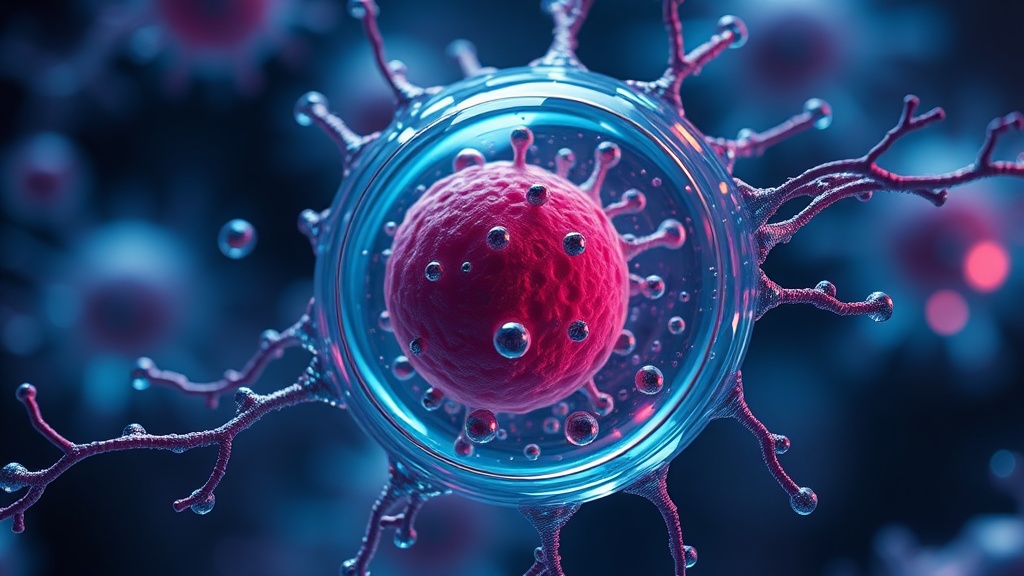
Intermittent fasting downregulated both CD36 expression and its palmitoylation in the lacrimal glands of diabetic mice[1]. The transcriptomic analysis pointed to ZDHHC20 as the likely mediating enzyme. This is a dual hit: less CD36 protein overall, and what remains is less efficiently anchored to the membrane.
The Nature Communications paper on CD36 palmitoylation in cardiac tissue corroborates this mechanism from a different angle — inhibiting CD36 palmitoylation in cardiomyocytes post-myocardial infarction also restored lipid metabolic balance and improved mitophagy efficiency via the CD36-PGAM5 signaling axis[3]. Two different tissues, two different disease contexts, same molecular logic.
The Fer-1 vs. CD36 Knockdown Experiment#
Here's the catch, though. The researchers compared two interventions head-to-head: the ferroptosis inhibitor Ferrostatin-1 (Fer-1) and CD36 shRNA knockdown. Both restored lacrimal secretory function comparably. But only CD36 knockdown simultaneously resolved both lipid accumulation and ferroptosis[1].
This tells us something important about the causal architecture. Ferroptosis is the downstream executioner, but CD36-mediated lipid overload is the upstream driver. Block the executioner (Fer-1), and you save cells temporarily — but the lipid buildup persists. Block the gatekeeper (CD36), and you address both problems.
(And yes, this has implications for anyone thinking about ferroptosis inhibitors as standalone therapies — they're likely insufficient without upstream metabolic correction.)
Ocular Protection Beyond Dry Eye#
Separate research published in Communications Biology demonstrated that intermittent fasting also attenuated photoreceptor degeneration and glial hyperactivation in a mouse model of age-related macular degeneration, with transcriptomic data showing IF counteracted genes related to reactive oxygen species and inflammation[4]. The convergence of IF's protective effects across multiple ocular tissues — lacrimal glands, RPE, photoreceptors — suggests a systemic anti-inflammatory and metabolic recalibration rather than a single-pathway effect.
COMPARISON TABLE#
| Method | Mechanism | Evidence Level | Cost | Accessibility |
|---|---|---|---|---|
| Intermittent fasting (every-other-day) | Downregulates CD36 expression and palmitoylation; reduces lipid uptake and ferroptosis | Preclinical (db/db mice, 8-week trial) | Free | High — no equipment or supplements needed |
| Caloric restriction (meal feeding) | Reduces total caloric load; partial lipid reduction | Preclinical (same study, inferior to IF) | Free | High — requires portion control |
| Ferrostatin-1 (Fer-1) | Direct ferroptosis inhibition via lipid peroxide scavenging | Preclinical (in vivo mouse injection) | Moderate (research compound) | Low — not approved for human use |
| CD36 shRNA knockdown | Genetic suppression of CD36 expression | Preclinical (experimental gene therapy) | High | Very low — laboratory only |
| Artificial tears / lubricants | Symptomatic relief; no effect on underlying glandular dysfunction | Clinical (standard of care) | Low | Very high |
| Topical cyclosporine (Restasis) | Anti-inflammatory; restores partial tear production | Clinical (FDA-approved) | Moderate–High | Moderate (prescription required) |
Intervention Effectiveness in Diabetic Lacrimal Gland Protection
THE PROTOCOL#
Based on the preclinical data from this study, here's how I'd approach this if you're diabetic (or prediabetic) and experiencing dry eye symptoms. These are informed suggestions, not prescriptions — optimal dosing in humans is not yet established for this specific indication.
1. Adopt an every-other-day fasting schedule for a minimum of 8 weeks. On fasting days, consume zero or near-zero calories (water, black coffee, plain tea permitted). On feeding days, eat normally — not excessively. The study used every-other-day feeding, not 16:8 or 5:2 protocols. (The 16:8 window isn't special here. The mechanism doesn't care about that specific split — it appears to require a full 24-hour fasting period to sufficiently downregulate CD36.)
2. Track your tear production and dry eye symptoms weekly. Use a standardized questionnaire like the OSDI (Ocular Surface Disease Index) to measure subjective changes. If you have access to an ophthalmologist, request a Schirmer's test at baseline and at 4 and 8 weeks.
3. Support glutathione and GPX4 activity to complement anti-ferroptotic effects. Selenium (200 mcg/day), N-acetylcysteine (600 mg twice daily), and adequate vitamin E intake (15 mg alpha-tocopherol daily) all support the GPX4 antioxidant axis that counteracts ferroptosis. Take these on feeding days with meals containing dietary fat for absorption.
4. Manage iron intake carefully. Ferroptosis is iron-dependent. If you're diabetic, get your serum ferritin checked. If levels are elevated (>200 ng/mL for men, >150 ng/mL for women), discuss iron reduction strategies with your physician. Avoid iron supplements unless you have confirmed deficiency.

5. Maintain omega-3 to omega-6 balance. This matters specifically because CD36 mediates fatty acid uptake nonselectively. Reducing total circulating free fatty acids through fasting is step one, but the composition matters too. Prioritize EPA/DHA (2-3g combined daily on feeding days) and minimize seed oil–heavy processed foods.
6. Don't abandon standard dry eye care during the trial period. Continue using preservative-free artificial tears as needed. If you're on topical cyclosporine or lifitegrast, continue those — this protocol is additive, not a replacement.
7. Reassess at 8 weeks. If symptoms have improved, consider maintaining the fasting protocol 3-4 days per week as a maintenance schedule. If no improvement, this particular mechanism may not be your primary driver — diabetic dry eye is multifactorial.
Related Video
What is ferroptosis and why does it matter for diabetic dry eye?#
Ferroptosis is a form of regulated cell death driven by iron-dependent lipid peroxidation — essentially, iron catalyzes the oxidation of membrane fats until the cell membrane ruptures. In diabetic lacrimal glands, excess lipid accumulation creates the substrate for this process, and hyperglycemia-driven oxidative stress provides the trigger. The result is gland dysfunction and reduced tear production[1][2].
How is intermittent fasting different from caloric restriction for this condition?#
In the db/db mouse study, every-other-day fasting outperformed meal-based caloric restriction at reducing lacrimal gland lipid accumulation and ferroptosis markers[1]. The proposed mechanism is that complete fasting periods more effectively downregulate CD36 expression and its palmitoylation, reducing the cell's ability to absorb fatty acids. Caloric restriction still helps — it's just not as effective at suppressing this specific pathway.
Why does CD36 palmitoylation matter so much?#
Palmitoylation is what physically anchors CD36 to the cell membrane. Without it, CD36 can't function as a fatty acid transporter. By reducing palmitoylation (potentially via ZDHHC20 suppression), intermittent fasting effectively disarms the lipid uptake machinery even beyond simply reducing CD36 protein levels[1][3]. It's a two-layered suppression — less protein, and the remaining protein works less efficiently.
Who should consider this protocol?#
Anyone with type 2 diabetes experiencing dry eye symptoms who has been cleared for fasting by their physician. This is especially relevant if standard dry eye treatments (artificial tears, anti-inflammatory drops) provide only partial relief — it suggests the underlying glandular dysfunction hasn't been addressed. However, this is based on preclinical evidence only, and human trials have not yet confirmed these effects.
When might we see human clinical trials on this approach?#
Honestly, I don't know. The mechanistic groundwork is now solid enough to justify a pilot trial, but ophthalmology fasting studies are not a major funding priority. I'd estimate 2-4 years before we see a controlled human study specifically targeting diabetic dry eye with IF protocols, though existing human IF trials may provide relevant secondary endpoint data sooner.
VERDICT#
7.5/10
The mechanistic story here is clean and well-supported: CD36 palmitoylation → lipid overload → ferroptosis → glandular dysfunction, with intermittent fasting interrupting the cascade upstream. The corroboration from the Nature Communications cardiac study strengthens the CD36 palmitoylation angle considerably. But this remains a single preclinical study in one mouse model. No human data. No dose-response curve for fasting duration. The practical protocol I've outlined above is extrapolated, not validated. I'm giving it a 7.5 because the biology is compelling and the intervention is free and accessible — but I'd bump it to a 9 the day a human pilot study confirms even partial translation of these effects.
References
- 1.Author(s) not listed. Intermittent fasting inhibits ferroptosis by modulating CD36 and its palmitoylation to alleviate diabetic dry eye. Cellular & Molecular Biology Letters (2026). ↩
- 2.Author(s) not listed. Ferroptosis: mechanism and role in diabetes-related cardiovascular diseases. Cardiovascular Diabetology (2025). ↩
- 3.Author(s) not listed. Inhibiting CD36 palmitoylation improves cardiac function post-infarction by regulating lipid metabolic homeostasis and autophagy. Nature Communications (2025). ↩
- 4.Li J, Wang B, Liu P, Qiu X, Bian Q, Shen C, Li Y, Shao M, Li M. Intermittent fasting attenuates glial hyperactivation and photoreceptor degeneration in a NaIO3-induced mouse model of age-related macular degeneration. Communications Biology (2025). ↩
Tara Miren
Tara is warm but sharp. She will directly contradict popular nutrition narratives mid-article without building up to it: 'The 16:8 window isn't special. The mechanism doesn't care about that specific split.' She uses parenthetical asides like a real person thinking out loud: '(and yes, I've heard every objection to this — they're mostly wrong)'. She'll acknowledge when she changed her mind based on a paper: 'I used to recommend X. I don't anymore.'
View all articles →