NMN and NR Suppress Skin Inflammation via p38 MAPK Pathway

SNIPPET: NMN and NR, two NAD+ precursors, significantly reduce pro-inflammatory cytokine production in human keratinocytes by inhibiting p38 MAPK phosphorylation, according to Xie et al. (2026). NMN showed broader anti-inflammatory effects than NR, suppressing IL-1β, CCL22, CCL5, CCL17, IL-8, and TSLP. These are in vitro findings requiring human validation.
THE PROTOHUMAN PERSPECTIVE#
Look, the NAD+ conversation has been stuck in a longevity loop for years — telomere dynamics, mitochondrial efficiency, sirtuins, the usual suspects. What's been missing is a concrete mechanistic story for skin inflammation, which affects roughly 230 million people globally through atopic dermatitis alone. Two new studies from early 2026 shift the frame. The first, from Xie et al. in Molecular Biology Reports, pins down a specific signaling pathway — p38 MAPK — through which NMN and NR dial down inflammatory gene expression in human keratinocytes. The second, from Stavrou et al. in Nature Communications, reveals how NRK1-mediated NAD/H synthesis in the cytoplasm modulates CD4+ T cell behavior during infection. Meanwhile, a human trial published in Nature Metabolism confirms that NR and NMN comparably raise circulatory NAD+ in healthy adults — but through a gut-microbial conversion mechanism nobody saw coming. Together, these papers reframe NAD+ precursors not just as anti-aging molecules but as immune modulators with real therapeutic potential. That's what matters here.
THE SCIENCE#
NAD+ Precursors as Anti-Inflammatory Agents in Keratinocytes#
Nicotinamide mononucleotide (NMN) and nicotinamide riboside (NR) are NAD+ precursors — molecules that feed into nicotinamide adenine dinucleotide synthesis, a coenzyme central to mitochondrial function, energy metabolism, and cellular repair. Their relevance to human performance and longevity has been established across hundreds of studies. But their specific role in inflammatory skin disease? That's been a gap.
Atopic dermatitis (AD) is a chronic inflammatory disorder marked by impaired epidermal barrier function and immune dysregulation. Current therapies — topical corticosteroids, calcineurin inhibitors, JAK inhibitors — manage symptoms but carry adverse effect profiles that limit long-term use. The search for alternatives has been slow.
Xie, Velandia, Marecek et al. (2026) used TNF-α/IFN-γ–stimulated HaCaT cells — a standard in vitro model for AD inflammation — to test whether NMN and NR could suppress pro-inflammatory signaling[1]. The results were clear: NMN dose-dependently reduced mRNA expression of six key inflammatory mediators: IL-1β, MDC/CCL22, CCL5 (RANTES), CCL17 (TARC), IL-8, and thymic stromal lymphopoietin (TSLP). NR performed similarly across five of six targets but failed to significantly reduce IL-1β.
Wait, let me be more precise here. The mechanism wasn't a broad-spectrum kinase shutdown. Western blot analysis showed that both compounds specifically inhibited phosphorylation of p38 MAPK — while leaving AKT, ERK, NF-κB, and JNK phosphorylation unaffected. That specificity matters. It means NMN and NR aren't just blunt anti-inflammatory hammers; they're acting through a defined pathway that sits upstream of multiple cytokine cascades relevant to AD pathogenesis.
Neither compound affected cell viability, which is the minimum bar for therapeutic candidacy but still worth noting given the dosing range tested.
The NRK1 Connection: Subcellular NAD+ and Immune Cell Behavior#
Here's where it gets layered. Stavrou, Ali, Gudgeon et al. (2026), published in Nature Communications, explored a parallel question: how does NAD/H synthesis inside immune cells regulate their inflammatory behavior?[2]
They focused on nicotinamide riboside kinase 1 (NRK1), an enzyme whose expression increases when CD4+ T cells are activated. NRK1 activity restrains T cell activation and cytokine production while simultaneously promoting cell survival. The mechanism: NRK1 raises cytoplasmic NAD/H levels, which feeds NADP/H generation, controls reactive oxygen species (ROS) abundance, and blocks nuclear NFAT translocation — a transcription factor critical for inflammatory gene expression.
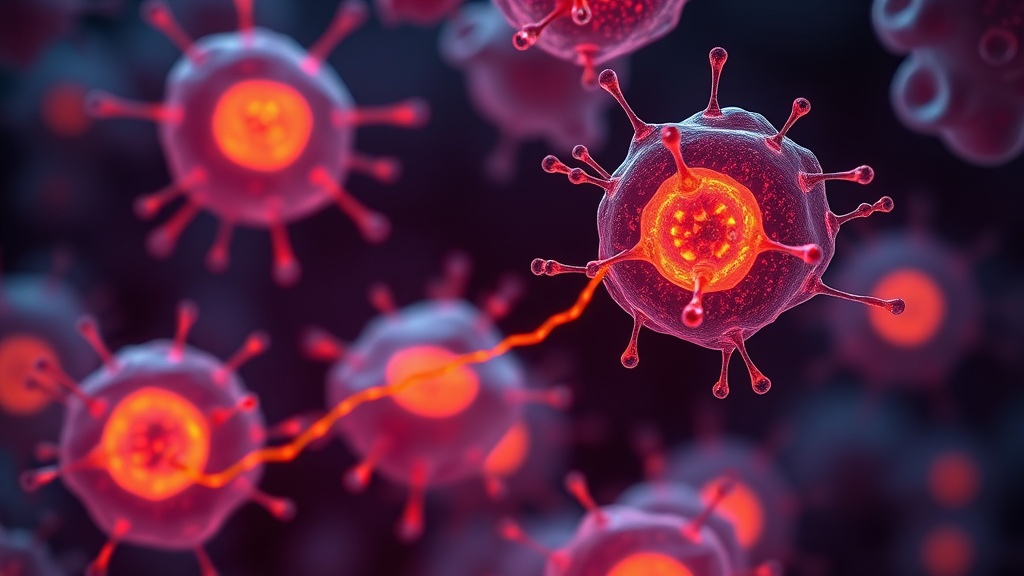
In infection models (fungal and viral), T-cell-intrinsic NRK1 maintained effector CD4+ T cell numbers in affected tissues and draining lymph nodes, supporting infection control. The takeaway: subcellular localization of NAD+ synthesis — not just total NAD+ levels — determines immune outcomes at the organism level.
This is a conceptual shift. Most of the NAD+ supplementation discourse treats the molecule as a systemic pool to be topped up. Stavrou et al. show that where NAD+ is synthesized within a cell matters as much as how much is available.
The Gut-Microbiome Plot Twist#
I'm less convinced by anyone who claims NMN or NR work purely through direct cellular uptake after oral supplementation. And now there's data to back that skepticism.
A randomized, open-label, placebo-controlled trial in 65 healthy participants, published in Nature Metabolism by a team examining three NAD+ boosters head-to-head, found that 14 days of NR and NMN supplementation comparably increased circulatory NAD+ concentrations — but nicotinamide (Nam) did not produce the same sustained effect[3]. The surprise: ex vivo experiments showed NR and NMN are converted by gut microbiota into nicotinic acid (NA), which then enters circulation via the Preiss–Handler pathway. Direct ex vivo testing in whole blood confirmed NA is a potent NAD+ booster, while NMN, NR, and Nam alone are not.
The proposed model: NR and NMN elevate systemic NAD+ primarily through microbial conversion to NA in the gut, not through direct cellular absorption. This has massive implications for dosing strategies, bioavailability claims, and the entire sublingual NMN marketing playbook.
Circulatory NAD+ Increase After 14-Day Supplementation
COMPARISON TABLE#
| Method | Mechanism | Evidence Level | Cost | Accessibility |
|---|---|---|---|---|
| NMN (oral) | NAD+ synthesis via gut microbial conversion to NA → Preiss–Handler pathway; p38 MAPK inhibition in keratinocytes | In vitro + small human RCT (n=65) | $40–80/month | Widely available as supplement |
| NR (oral) | Same gut-dependent NAD+ pathway; p38 MAPK inhibition (weaker on IL-1β) | In vitro + small human RCT (n=65) | $40–60/month | Widely available (Niagen, Tru Niagen) |
| Nicotinamide (Nam) | Salvage pathway; acute/transient NAD+ effect | Human RCT (n=65); no sustained circulatory NAD+ increase | $5–15/month | OTC, cheapest option |
| Topical corticosteroids | Broad immunosuppression | Multiple large RCTs, clinical standard | $10–50/month | Prescription |
| JAK inhibitors (e.g., baricitinib) | JAK-STAT pathway blockade | Phase III trials, FDA-approved | $2,000+/month | Prescription only |
THE PROTOCOL#
Based on current evidence — and I want to be explicit that the AD-specific data is preclinical — here's a rational approach for those interested in NAD+ precursor supplementation for skin health and systemic inflammation management.
Step 1. Start with NMN at 250 mg/day orally, taken in the morning with food. The Xie et al. data showed NMN had broader anti-inflammatory effects than NR in keratinocyte models, and the Nature Metabolism trial confirmed comparable NAD+-boosting at standard oral doses[1][3].
Step 2. If NMN is unavailable or cost-prohibitive, substitute NR at 300 mg/day (the dose range used in multiple human trials, including Elhassan et al.). NR showed equivalent circulatory NAD+ elevation over 14 days[3].
Step 3. Support gut microbiome health concurrently. Given the gut-dependent conversion model — where NR and NMN require microbial metabolism to generate nicotinic acid — a disrupted microbiome may blunt NAD+ boosting efficacy. Include prebiotic fiber (10–15 g/day from whole food sources) and consider a broad-spectrum probiotic.
Step 4. Do not rely on sublingual or IV NMN delivery if your goal is sustained NAD+ elevation. The data suggests the gut is the primary site of conversion. Sublingual bypasses exactly the mechanism that appears to matter most.

Step 5. For those with active atopic dermatitis, continue standard-of-care treatment. NMN/NR supplementation should be considered adjunctive and experimental at this stage. The in vitro p38 MAPK findings need validation in 3D human epidermis models and animal studies before clinical recommendations can be made[1].
Step 6. Track inflammatory markers if possible. High-sensitivity CRP, IL-6, and — for those with AD — SCORAD index assessments at baseline and 8 weeks provide a personal feedback loop. Honestly, optimal dosing in humans for dermatological outcomes is not yet established.
Step 7. Reassess at 30 days. If no subjective or objective change in skin inflammation or general inflammatory status, consider increasing NMN to 500 mg/day, which remains within ranges tested in safety studies[3].
Related Video
What is the difference between NMN and NR for skin inflammation?#
Both are NAD+ precursors that suppress pro-inflammatory cytokine production in human keratinocytes via p38 MAPK inhibition. However, NMN demonstrated broader effects — it significantly reduced IL-1β expression in addition to five other inflammatory mediators, while NR failed to suppress IL-1β in the Xie et al. study[1]. For systemic NAD+ boosting, the Nature Metabolism trial found them comparable[3].
How do NMN and NR actually raise NAD+ levels in the body?#
This is where it gets interesting. A 2026 randomized trial showed that NR and NMN don't appear to boost blood NAD+ directly. Instead, gut microbiota convert them to nicotinic acid (NA), which then enters circulation via the Preiss–Handler pathway[3]. This means gut health likely influences how well these supplements work — something the supplement industry has largely ignored.
Who should consider NMN or NR supplementation for atopic dermatitis?#
No one should treat AD with NMN or NR alone — the evidence is strictly in vitro at this point. The Xie et al. study used HaCaT cell cultures, not human patients[1]. That said, individuals already supplementing NAD+ precursors for other reasons (aging, metabolic health) may see ancillary skin benefits. I'd want to see at least a pilot clinical trial before making any dermatology-specific recommendation.
Why does p38 MAPK matter for atopic dermatitis?#
p38 MAPK is a stress-activated kinase that sits upstream of multiple inflammatory cytokine cascades in keratinocytes — including TSLP, CCL17, and CCL22, which are directly implicated in AD pathogenesis. Inhibiting this single node can suppress multiple downstream inflammatory outputs simultaneously, which is why p38 has been a pharmaceutical target for years[1]. The novelty here is that NAD+ precursors achieve this inhibition without apparent cytotoxicity.
When might clinical trials of NMN for atopic dermatitis begin?#
The honest answer: we don't know yet. Xie et al. explicitly call for 3D human epidermis models and animal studies as next steps[1]. A previous mouse study by Gao et al. (2022) showed NMN ameliorated DNFB-induced AD-like symptoms, which provides some preclinical support. But the jump from HaCaT cells to human RCTs typically takes 3–5 years, assuming funding and regulatory interest.
VERDICT#
Score: 6.5/10
The mechanistic data is genuinely interesting — p38 MAPK specificity rather than broad kinase inhibition gives NMN and NR a cleaner mechanistic story than most NAD+ supplement claims. The Nature Communications NRK1 paper adds real depth to our understanding of subcellular NAD+ compartmentalization in immune regulation. And the Nature Metabolism human trial reshapes how we should think about oral NAD+ precursor metabolism entirely.
But here's where I pull back. The AD-specific findings are entirely in vitro. HaCaT cells in a dish are not human skin. NMN reducing IL-1β mRNA expression in cell culture does not mean it will clear an eczema flare. The gap between these findings and a clinical protocol remains wide. I'd give the science itself an 8, but the translational readiness drags the score down. If you're already taking NMN for longevity purposes, this data is a pleasant bonus signal. If you're looking for an AD treatment, keep your dermatologist on speed dial.
References
- 1.Xie C, Velandia MAM, Marecek S. Nicotinamide mononucleotide and nicotinamide riboside attenuate cytokine production in human keratinocytes via suppression of p38 Pathway. Molecular Biology Reports (2026). ↩
- 2.Stavrou V, Ali M, Gudgeon N. Cytoplasmic NAD/H synthesis via NRK1 regulates inflammatory capacity and promotes survival of CD4+ T cells. Nature Communications (2026). ↩
- 3.Author(s) not listed. The differential impact of three different NAD+ boosters on circulatory NAD and microbial metabolism in humans. Nature Metabolism (2026). ↩
Nael Voss
Nael is data-obsessed and slightly impatient with over-hyped claims. He's tested most of what he covers personally, which means he occasionally contradicts the research when his n=1 doesn't match. His writing moves fast, sometimes too fast — he'll drop a complex mechanism in one sentence and move on. He has a specific verbal tic: 'Look,' when he's about to say something the reader might not want to hear. He's sardonic about supplement marketing but genuinely excited about good mechanistic data.
View all articles →