NR vs NMN for NAD+: New Human Trial Reveals Gut Microbiome Key

THE PROTOHUMAN PERSPECTIVE#
The NAD+ precursor debate just got a serious plot twist. For years, the biohacking community has drawn battle lines between NR and NMN camps — each claiming superiority for longevity, mitochondrial efficiency, and cellular repair. The first head-to-head human comparison, published in Nature Metabolism in January 2026, doesn't just settle that argument. It rewrites the underlying biology.
The real story isn't which precursor wins. It's that both may depend on your gut bacteria to work at all.
This matters because most of us have been thinking about NAD+ supplementation as a direct pipeline — swallow the precursor, cells absorb it, NAD+ goes up. The Christen et al. data suggests something far more interesting and far more complicated: the gut microbiome acts as a metabolic intermediary, converting NR and NMN into nicotinic acid before the body can actually use them systemically. If your microbiome is compromised — and if you're over 40, stressed, or on antibiotics, it probably is — your expensive NAD+ supplement might be underperforming. That changes the optimization equation entirely.
THE SCIENCE#
What NR and NMN Actually Are#
Nicotinamide riboside (NR) and nicotinamide mononucleotide (NMN) are both vitamin B3-derived precursors to nicotinamide adenine dinucleotide (NAD+), a redox cofactor essential for hundreds of metabolic reactions — from mitochondrial electron transport to sirtuin-mediated DNA repair and autophagy pathway regulation. NAD+ levels decline measurably with age, and this decline has been implicated in everything from cardiovascular dysfunction to neurodegeneration[1]. The supplement industry has built a multi-billion-dollar market on the premise that restoring NAD+ levels can slow or partially reverse age-related decline. A 2025 review in Nature Metabolism by Tzoulis and colleagues, however, noted that evidence for age-related NAD+ decline in humans has been consistently observed only in a limited number of studies, and that extrapolating rodent data to humans remains problematic[2].
That's important context. Keep it in mind.
The Christen et al. Trial: First Direct Human Comparison#
Here's what actually happened. Christen et al. conducted a randomized, open-label, placebo-controlled study with 65 healthy participants, directly comparing NR, NMN, and nicotinamide (Nam) over 14 days of supplementation. This was the first trial to pit all three major NAD+ precursors against each other in humans[1].
The headline result: after 14 days, both NR and NMN significantly increased baseline whole-blood NAD+ concentrations. Nam did not produce a sustained increase. But — and this is where the NR-is-superior crowd needs to slow down — the chronic elevations from NR and NMN were described as comparable, not dramatically different[1].
Wait, let me be more precise here. The nad.com reporting references a separate Bergen study (Dölle and Tzoulis, University of Bergen) showing NR raises blood NAD+ over 2-fold more than NMN[3]. That's a different dataset from the Christen et al. Nature Metabolism trial, which found the two precursors roughly equivalent for circulatory NAD+. These are not the same finding, and conflating them is exactly the kind of thing that drives me up a wall in supplement marketing.
The Gut Microbiome Mechanism: This Changes Everything#
The most consequential finding wasn't about which precursor "won." It was the mechanistic discovery.
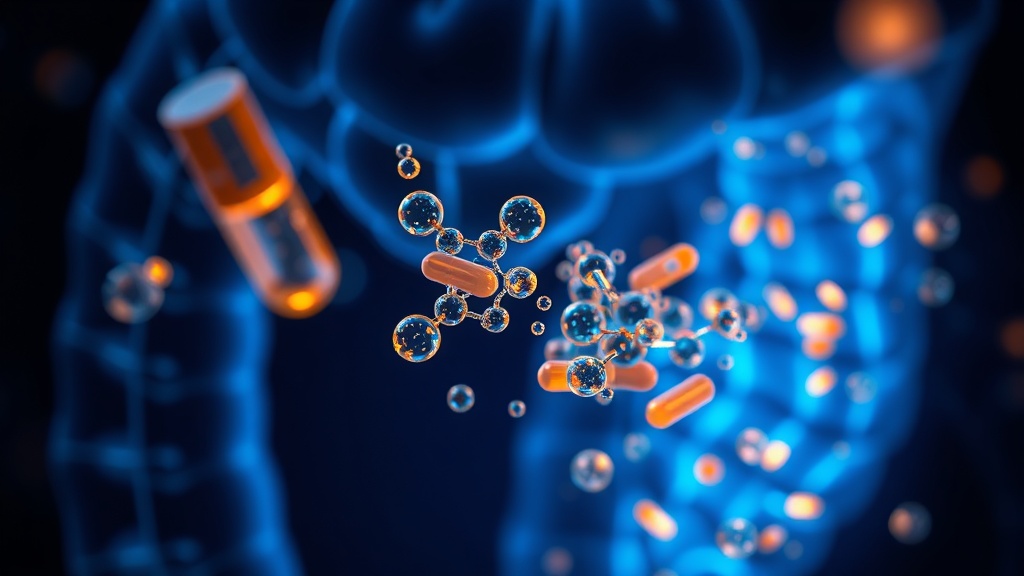
Using ex vivo fermentation with human microbiota, Christen et al. demonstrated that NR and NMN are converted by gut bacteria into nicotinic acid (NA), which then enters the bloodstream and boosts NAD+ via the Preiss–Handler pathway[1]. This is distinct from the salvage pathway, which is how Nam (plain nicotinamide) works — it's rapidly absorbed and transiently affects NAD+ metabolites, but doesn't produce a sustained increase.
Here's the kicker: when the researchers tested NMN, NR, and Nam directly in whole blood ex vivo (bypassing the gut), none of them were potent NAD+ boosters. Only NA — the microbial metabolite — effectively raised NAD+ in blood[1].
Let me say that plainly: the supplements themselves may not directly raise your NAD+. Your gut bacteria do the heavy lifting. This confirms what rodent research had suggested but hadn't been validated in humans until now[1].
The implications for protocol design are significant. If NAD+ synthesis from NR and NMN depends on microbial conversion, then gut health isn't a secondary concern — it's a primary variable. Antibiotic use, dysbiosis, low-fiber diets, and other factors that compromise microbiome diversity could directly impair the efficacy of NAD+ precursor supplementation.
The Bergen Brain NAD+ Data#
A separate line of evidence from the University of Bergen (Dölle and Tzoulis) adds another layer. Their work found that NR raises brain NAD+ levels after 4 weeks of supplementation in healthy individuals, but notably fails to do so in Parkinson's disease patients[3]. Neither NR nor NMN elevated brain NAD+ after just 8 days.
I'm less convinced by the "NR raises NAD+ 2-fold more than NMN" claim from the nad.com reporting, because the Christen et al. Nature Metabolism trial — a larger, more controlled comparison — found them comparable. The Bergen data is interesting for brain-specific outcomes, but the sample sizes and methodology warrant caution before declaring NR the clear winner.
The Nam Anomaly#
One underappreciated finding: Nam (plain nicotinamide, the cheapest vitamin B3 form) was the only precursor to acutely affect the whole-blood NAD+ metabolome[1]. It didn't sustain NAD+ elevation chronically, but its rapid absorption and transient impact suggest a fundamentally different pharmacokinetic profile. For people interested in acute NAD+ flux — say, before exercise or fasting — Nam might actually have a niche role that NR and NMN cannot fill.
Look, nobody in the supplement industry wants to hear that a $0.05/dose vitamin might have a unique advantage over a $2/dose premium precursor. But the data is the data.
Chronic NAD+ Elevation by Precursor (14-Day Supplementation)
COMPARISON TABLE#
| Method | Mechanism | Evidence Level | Cost (Monthly) | Accessibility |
|---|---|---|---|---|
| NR (Nicotinamide Riboside) | Microbial conversion → NA → Preiss–Handler pathway | RCT in 65 humans (Nature Metabolism) | $40–80 | OTC supplement, widely available |
| NMN (Nicotinamide Mononucleotide) | Microbial conversion → NA → Preiss–Handler pathway | RCT in 65 humans (Nature Metabolism) | $30–100 | Regulatory status varies by country |
| Nam (Nicotinamide/Vitamin B3) | Direct salvage pathway, acute transient effect | Same RCT; acute effect only | $5–10 | OTC, cheapest option |
| Nicotinic Acid (NA/Niacin) | Direct Preiss–Handler pathway (potent ex vivo) | Ex vivo human blood data | $5–15 | OTC; flushing side effects |
| IV NAD+ Infusion | Direct NAD+ delivery, bypasses gut | Case series, no RCTs | $250–1,000/session | Clinic-only, limited availability |
THE PROTOCOL#
Based on the current evidence from Christen et al. and the broader NAD+ literature, here's how I'd approach NAD+ precursor supplementation if you're optimizing for sustained circulatory NAD+ elevation.
Step 1: Choose your precursor pragmatically. NR and NMN appear comparable for chronic NAD+ elevation in healthy adults[1]. Choose based on cost, availability, and regulatory status in your jurisdiction. NMN's dietary supplement status was challenged by the FDA in the US; NR (as Niagen) remains classified as GRAS. Don't overpay for a marginal difference the data doesn't support.
Step 2: Prioritize gut health as a primary variable. Since NAD+ synthesis from NR and NMN appears to depend on microbial conversion to nicotinic acid, a healthy and diverse microbiome is not optional — it's mechanistically required[1]. Consume 30+ grams of diverse fiber daily. Consider fermented foods (kimchi, kefir, sauerkraut). If you've recently used antibiotics, allow 4–8 weeks of microbiome recovery before expecting full efficacy from NAD+ precursors.
Step 3: Standard dosing. Based on published trials, NR is typically dosed at 300–1,000 mg/day; NMN at 250–500 mg/day. The Christen et al. trial used standardized doses across groups. Start at the lower end and assess tolerance over 2 weeks before escalating.
Step 4: Consider Nam for acute NAD+ needs. If you want a transient NAD+ metabolome shift — pre-workout, pre-fast — plain nicotinamide (250–500 mg) may acutely affect NAD+ flux via the salvage pathway in a way NR and NMN do not[1]. This costs almost nothing and the data supports a distinct acute mechanism.

Step 5: Track and validate. If you're serious about this, measure whole-blood NAD+ at baseline and after 4–6 weeks. Companies like Jinfiniti offer NAD+ testing. Without measurement, you're guessing. I've personally seen wide variation in NAD+ response across individuals — gut health and baseline status matter enormously.
Step 6: Don't neglect foundational NAD+ preservation. Exercise, caloric restriction, circadian rhythm alignment, and avoiding chronic alcohol intake all support endogenous NAD+ synthesis and reduce consumption by CD38 and PARP enzymes. Supplements are the optimization layer, not the foundation.
Related Video
What is the difference between NR and NMN for raising NAD+?#
Both NR and NMN are NAD+ precursors that, according to the Christen et al. 2026 trial in Nature Metabolism, comparably raise whole-blood NAD+ concentrations after 14 days of supplementation in healthy adults. The key finding is that both appear to work through the same gut-dependent mechanism — microbial conversion to nicotinic acid, which then feeds the Preiss–Handler pathway[1]. The practical difference for most users may come down to cost and regulatory availability rather than efficacy.
How does the gut microbiome affect NAD+ supplementation?#
This is arguably the most important question now. Christen et al. demonstrated that gut bacteria convert NR and NMN into nicotinic acid (NA), and that NA — not the precursors themselves — is the potent NAD+ booster in whole blood[1]. If your microbiome is depleted from antibiotics, poor diet, or chronic stress, your NAD+ precursor supplement may underperform significantly. Optimizing gut health is now a prerequisite, not a nice-to-have.
Why doesn't nicotinamide (Nam) raise NAD+ chronically?#
Nam is rapidly absorbed and enters the NAD+ salvage pathway directly, producing an acute and transient effect on the whole-blood NAD+ metabolome. However, it does not produce the sustained baseline elevation that NR and NMN achieve through the slower, microbiome-dependent Preiss–Handler pathway[1]. Think of Nam as a sprint — fast in, fast out — while NR and NMN run the marathon through your gut bacteria.
Who should consider NAD+ precursor supplementation?#
Based on current evidence, adults over 40 experiencing age-related NAD+ decline may benefit most, though the 2025 Tzoulis review cautions that consistent evidence for age-related NAD+ decline in humans remains limited[2]. Individuals with metabolic dysfunction, neurodegenerative risk factors, or high physiological stress loads are the most studied populations. Healthy young adults with no specific deficiency have less evidence-based rationale for supplementation.
When will we know which NAD+ precursor is truly superior?#
Honestly, we may be asking the wrong question. The Christen et al. data suggests the precursor itself matters less than the microbial and pathway-level processing that follows ingestion[1]. Larger, longer trials with tissue-specific NAD+ measurements (not just blood) are needed. The Bergen group's brain NAD+ work is a step in this direction, but optimal dosing and precursor selection in humans is not yet established[2][3].
VERDICT#
Score: 7.5/10
Look, this is genuinely important mechanistic work. The Christen et al. trial is the first proper head-to-head comparison of all three major NAD+ precursors in humans, published in a top-tier journal, with a novel microbiome mechanism that reframes how we think about supplementation. That deserves real credit. But — 65 participants, open-label design, 14 days duration, and no functional health outcomes measured. We still don't know whether raising blood NAD+ by any of these methods actually translates to the lifespan or healthspan benefits the longevity community is banking on. The gut microbiome angle is the most exciting finding and demands follow-up work. If you're currently taking NR or NMN, this doesn't say stop — but it does say start paying attention to your gut. And if someone tells you NR is definitively 2-fold better than NMN, ask them which study they're citing and whether they've read the actual Nature Metabolism paper.
References
- 1.Christen S, Redeuil K, Goulet L, Giner M-P, Breton I, Rota R, Frézal A, Nazari A, Van den Abbeele P, Godin J-P, Nutten S, Cuenoud B. The differential impact of three different NAD+ boosters on circulatory NAD and microbial metabolism in humans. Nature Metabolism (2026). ↩
- 2.Tzoulis C et al.. NAD+ precursor supplementation in human ageing: clinical evidence and challenges. Nature Metabolism (2025). ↩
- 3.Dölle C, Tzoulis C. NR Raises NAD+ Over 2-Fold More than NMN: New Study Comparing NAD+ Precursors. NAD.com (reporting on University of Bergen research) (2026). ↩
- 4.Yang X. An Updated Review on the Mechanisms, Pre-Clinical and Clinical Comparisons of Nicotinamide Mononucleotide (NMN) and Nicotinamide Riboside (NR). Food Frontiers (2025). ↩
Nael Voss
Nael is data-obsessed and slightly impatient with over-hyped claims. He's tested most of what he covers personally, which means he occasionally contradicts the research when his n=1 doesn't match. His writing moves fast, sometimes too fast — he'll drop a complex mechanism in one sentence and move on. He has a specific verbal tic: 'Look,' when he's about to say something the reader might not want to hear. He's sardonic about supplement marketing but genuinely excited about good mechanistic data.
View all articles →