PBM Light Therapy for Alzheimer's: Preclinical Meta-Analysis

SNIPPET: Photobiomodulation (PBM) therapy — low-power red and near-infrared light applied transcranially — significantly improved cognitive function and reduced amyloid-beta plaques in Alzheimer's disease animal models, according to the first quantitative meta-analysis of 16 preclinical studies (386 animals). Wavelengths above 750 nm at energy densities ≤3 J/cm² showed the strongest effects. Translation to humans remains unproven.
THE PROTOHUMAN PERSPECTIVE#
Alzheimer's disease is the slow deletion of a person. Every pharmacological approach we've thrown at it — the amyloid antibodies, the cholinesterase inhibitors — has produced results ranging from modest to disappointing, often with serious side effects. So when a non-invasive, zero-drug intervention shows consistent preclinical signals across 16 studies and 386 animals, it earns attention. Not applause. Attention.
Photobiomodulation sits at the intersection of mitochondrial biology and neurodegeneration — two domains where the biohacking community has been experimenting for years, often without adequate data. What this new meta-analysis provides is the first real quantitative synthesis of that preclinical evidence. The signal is there: reduced amyloid-beta, reduced phosphorylated tau, improved learning metrics. The mechanism tracks through cytochrome c oxidase, the same mitochondrial enzyme that every red-light therapy advocate has been citing for a decade. But the gap between "mice learn a maze faster" and "your grandmother remembers your name" is enormous. Let's look at what the data actually says — and where it falls short.
THE SCIENCE#
What Photobiomodulation Actually Is#
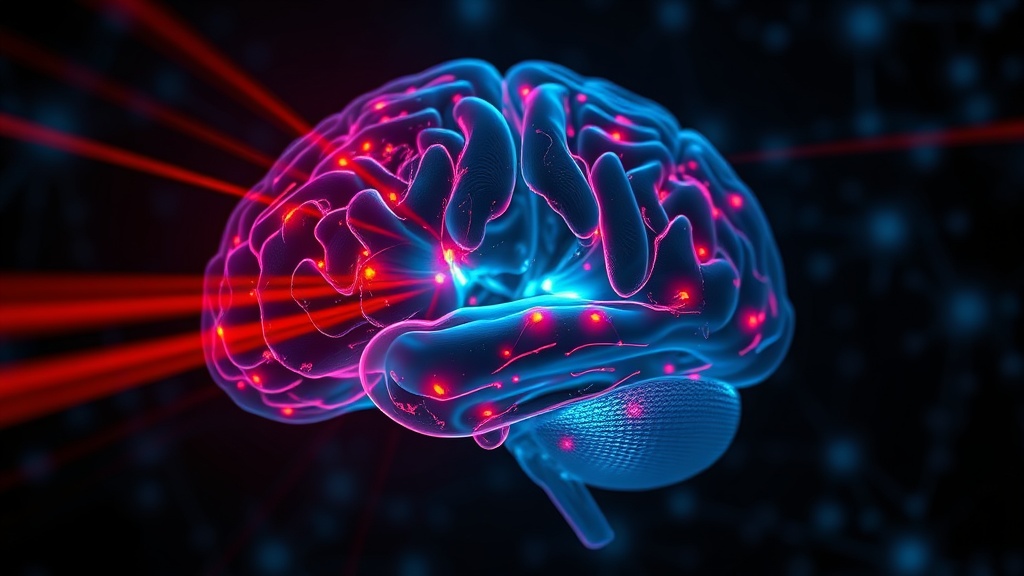
Photobiomodulation is the application of low-power light — typically in the red (600–700 nm) or near-infrared (700–1100 nm) spectrum — to biological tissue to induce photochemical changes. It is not heat therapy. It is not UV exposure. The primary chromophore is cytochrome c oxidase (CCO), Complex IV of the mitochondrial electron transport chain. When photons at the correct wavelength hit CCO, they dissociate inhibitory nitric oxide, increasing electron flow and ATP production[1][3].
That's the textbook version. In practice, the parameters matter enormously: wavelength, irradiance (power density), energy density (fluence), pulse structure, treatment duration, and — critically — whether the light actually reaches the target tissue through skin and skull.
The Meta-Analysis: First Quantitative Preclinical Synthesis#
The headline study here is the 2026 meta-analysis published in European Journal of Medical Research, which pooled data from 16 eligible preclinical studies encompassing 386 animals[1]. This is not a narrative review. It's a quantitative synthesis with forest plots, heterogeneity analysis, and subgroup stratification. That matters.
Key findings:
- Learning ability improved significantly under PBM (MD = −7.18; 95% CI −9.87 to −4.48). The negative mean difference reflects reduced escape latency in Morris water maze tests — animals found the platform faster.
- Amyloid-beta (Aβ) deposition was significantly reduced (SMD = −0.96; I² = 55%).
- Phosphorylated tau (p-Tau) levels dropped substantially (SMD = −2.24; I² = 14%).
- Wavelengths >750 nm showed numerically greater effects on learning ability.
- Energy densities ≤3 J/cm² outperformed higher doses for both learning and memory.
The catch, though. Heterogeneity for the cognitive outcomes was extreme — I² = 88%, p < 0.00001. That means the studies varied wildly in effect size. Some showed massive improvements. Others showed much less. When I see I² above 75%, I want to know why, and the subgroup analyses only partially explain it. Different animal models, different wavelengths, different treatment durations, different outcome measures. This is a real limitation and anyone citing this meta-analysis without mentioning it is selling you something.
PBM Effects on AD Neuropathological Markers (SMD)
The Mitochondrial Mechanism: More Than Just ATP#
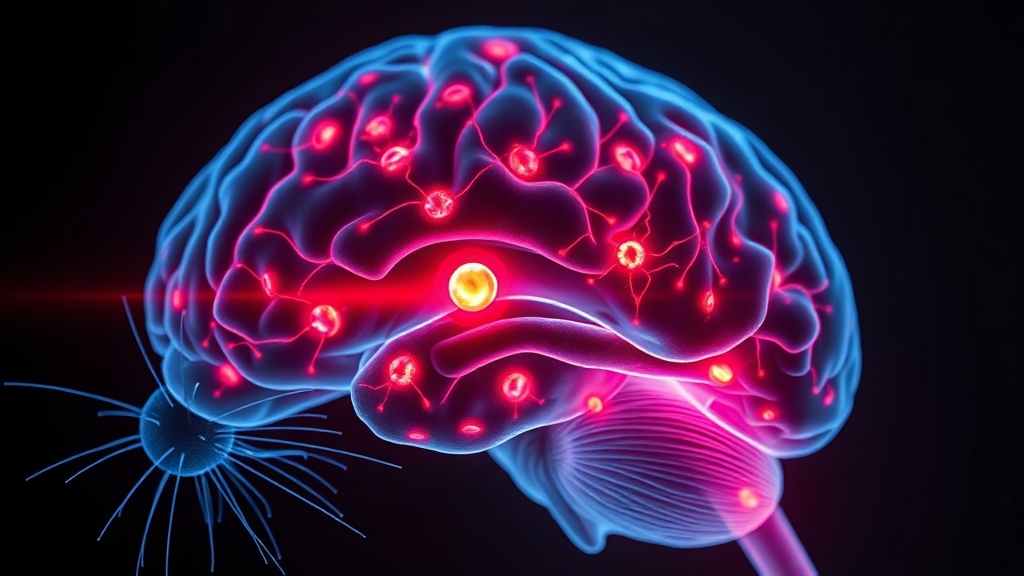
The APP/PS1 mouse study published in Alzheimer's Research & Therapy in April 2025 drilled into the energy metabolism angle using 808 nm at 20 mW/cm² over six weeks[3]. The results clarified something important: PBM doesn't just boost ATP — it shifts the metabolic mode of microglia from glycolysis toward oxidative phosphorylation. That shift matters because inflammatory microglia tend to run on glycolysis (the Warburg-like phenotype), while anti-inflammatory, phagocytic microglia favor oxidative phosphorylation.
In other words, PBM appears to reprogram the brain's immune cells toward a state that clears amyloid rather than fueling inflammation. The study confirmed this with hexokinase 2 (HK2) inhibition experiments — block glycolysis, and you get a similar phenotype shift. PBM achieves something analogous without a drug.
Separately, the same research group demonstrated in June 2025 that PBM at 808 nm preserves blood-brain barrier (BBB) integrity through the AMPK pathway[4]. They showed upregulation of tight junction proteins — Occludin, Claudin-5, ZO-1 — and enhanced Aβ clearance via the LRP1 receptor pathway. When AMPK was pharmacologically inhibited, PBM's protective effects on BBB integrity were substantially diminished, confirming the mechanism isn't incidental.
The Genomic Layer: RNA Sequencing Data#
Li et al. (2025) in PLOS ONE took a different approach — whole RNA sequencing of mouse cortex and hippocampus after 30 days of daily 1-hour 808 nm tPBM sessions[5]. This is valuable because it moves beyond single-pathway analysis to genome-wide expression changes.
The findings confirmed altered expression of genes associated with neuroprotection, neuroinflammation, oxidative stress, and amyloidogenic pathways. I want to be careful here: differential gene expression doesn't automatically equal functional change at the protein or phenotype level. But it provides mechanistic plausibility for the observed behavioral improvements and aligns with the mitochondrial energy metabolism findings from the APP/PS1 studies.
The 660 nm Data: SIRT1 Upregulation#
Nairuz et al. (2025) in International Journal of Molecular Sciences tested a different wavelength — 660 nm — in 5xFAD mice[2]. This is red light, not near-infrared. The results showed significant Aβ1-40 plaque reduction in hippocampal regions (CA1, CA2, CA3, dentate gyrus) with prolonged treatment duration (120 minutes showing greater effect than 30 or 60 minutes).
The novel finding: SIRT1 upregulation in the hippocampus. SIRT1 is a NAD+-dependent deacetylase linked to autophagy pathways, mitochondrial biogenesis, and longevity signaling. Its upregulation connects PBM to the broader NAD+ synthesis and sirtuins literature that the longevity community has been tracking through NMN and NR supplementation. Different input — photons instead of precursor molecules — potentially converging on similar cellular machinery.
I'm less convinced by this study's clinical relevance, though. A 7 mW LED applied for 120 minutes daily is not a protocol most humans will comply with, and the 660 nm wavelength has significantly less skull penetration than 808 nm or 1064 nm.
COMPARISON TABLE#
| Method | Mechanism | Evidence Level | Cost | Accessibility |
|---|---|---|---|---|
| tPBM (808 nm NIR) | CCO activation → ↑ATP, ↑OXPHOS, AMPK pathway, BBB integrity | Preclinical meta-analysis (16 studies, 386 animals); limited human trials | $200–$2,000 (consumer to clinical devices) | Moderate — consumer devices available; clinical protocols not standardized |
| tPBM (660 nm Red) | CCO activation → SIRT1 upregulation, Aβ reduction | Single animal study (5xFAD mice) | $50–$500 (LED panels) | High — affordable LEDs widely available; poor skull penetration |
| Cholinesterase Inhibitors (Donepezil) | Inhibits acetylcholine breakdown | Multiple human RCTs; FDA-approved | $10–$50/month (generic) | High — widely prescribed |
| Anti-Amyloid Antibodies (Lecanemab) | Targets and clears Aβ plaques | Phase III human trials; FDA-approved | ~$26,500/year | Low — IV infusion, specialist centers, ARIA risk |
| 40 Hz Gamma Entrainment | Neural oscillation → microglial Aβ clearance | Small human pilots; animal data | $300–$1,500 (devices) | Moderate — consumer devices emerging |
THE PROTOCOL#
Based on the preclinical evidence — and I want to stress this is preclinical, not proven in humans — here is a protocol framework for those who choose to experiment with transcranial PBM for cognitive support.
Step 1: Select the correct wavelength. The meta-analysis data favors wavelengths >750 nm for cognitive outcomes[1]. The 808 nm wavelength has the most preclinical support across multiple studies and better skull penetration than 660 nm. If purchasing a device, prioritize 808–810 nm NIR. The 1064 nm wavelength also has emerging human trial data but was not the focus of these studies.
Step 2: Set appropriate energy density. The meta-analysis found ≤3 J/cm² at the scalp surface was associated with greater improvement than higher doses[1]. More is not better. This is a biphasic dose-response — the Arndt-Schulz curve applies. Exceeding optimal fluence may inhibit rather than stimulate.
Step 3: Determine irradiance and session duration. From the APP/PS1 studies, 20 mW/cm² was the irradiance used with 808 nm[3][4]. To reach 3 J/cm² at 20 mW/cm², you need 150 seconds (2.5 minutes) of exposure. However, the animal studies used longer sessions (up to 6 weeks daily). A reasonable starting point: 3–10 minutes per targeted area, daily.
Step 4: Target placement. Position the light source over the forehead (prefrontal cortex) and/or temporal regions. The hippocampus is deep — approximately 5–7 cm from the scalp surface — and NIR penetration at 808 nm through human skull is significantly attenuated compared to mouse skull. This is the single biggest translational challenge and the reason I remain cautious.
Step 5: Establish a treatment schedule. The strongest preclinical effects used daily treatment for 4–6 weeks[3][4]. Begin with daily sessions for 30 days, then reassess. Track cognitive metrics — reaction time, working memory scores, sleep quality — before and during the protocol.
Step 6: Combine with mitochondrial support. Given the CCO and NAD+/SIRT1 mechanisms involved, co-administration of mitochondrial cofactors may be synergistic. Consider CoQ10 (100–200 mg), NMN or NR for NAD+ synthesis support, and creatine (3–5 g) for cellular energy buffering. This is speculative but mechanistically rational.
Step 7: Monitor and adjust. If no subjective or measurable cognitive change after 6 weeks, the protocol may not be effective for you at these parameters. Do not increase dose indefinitely — the biphasic response means overdosing produces worse outcomes than underdosing.
Related Video
What is photobiomodulation therapy for Alzheimer's disease?#
Photobiomodulation (PBM) is the application of low-power red or near-infrared light to brain tissue, typically delivered transcranially. In preclinical Alzheimer's models, it activates cytochrome c oxidase in mitochondria, increases ATP production, and promotes anti-inflammatory microglial states that clear amyloid-beta plaques. It is non-invasive and does not involve drugs.
How effective is PBM compared to current Alzheimer's drugs?#
In animal models, PBM significantly reduced amyloid-beta deposition (SMD = −0.96) and phosphorylated tau (SMD = −2.24), while improving maze-based learning metrics[1]. However, no head-to-head comparison with approved drugs exists in humans. Current FDA-approved treatments like lecanemab target amyloid removal directly but carry risks including brain swelling (ARIA). PBM's advantage is its safety profile; its disadvantage is the lack of confirmed human efficacy for Alzheimer's specifically.
What wavelength works best for brain photobiomodulation?#
The meta-analysis data indicates wavelengths greater than 750 nm — specifically the 808 nm range — showed numerically greater cognitive improvements in animal models[1]. The 660 nm wavelength demonstrated Aβ reduction and SIRT1 upregulation but has substantially less penetration through human skull bone[2]. For transcranial applications, near-infrared (808–1064 nm) is preferred over visible red.
Why hasn't PBM been approved for Alzheimer's treatment in humans?#
The honest answer: the preclinical evidence is strong but the human trial data remains sparse and preliminary. A systematic review of tPBM in older women found only seven eligible human studies, with small sample sizes and heterogeneous protocols[6]. Skull penetration in humans is dramatically lower than in mice, making dose equivalence uncertain. Regulatory approval requires large randomized controlled trials that have not yet been completed.
Who should consider trying transcranial PBM?#
Based on current evidence, individuals interested in cognitive optimization or those with a family history of neurodegeneration who want to explore non-pharmacological interventions may consider tPBM as an experimental addition to their protocol. It appears safe at recommended parameters. However, it should not replace any prescribed Alzheimer's medication, and expectations should be calibrated to the preclinical nature of most evidence.
VERDICT#
Score: 6.5/10
The mechanistic story is coherent — CCO activation, mitochondrial metabolic reprogramming, AMPK-mediated BBB protection, SIRT1 upregulation. Multiple independent labs are converging on the same pathways. That's encouraging. The meta-analysis, despite its heterogeneity problems, provides the first quantitative preclinical signal that PBM does something real to AD pathology in animals.
But I've been in the PBM space long enough to have seen a dozen "promising preclinical findings" fail to translate. The skull penetration problem in humans is not trivial — it's arguably the central unsolved problem for transcranial PBM. And an I² of 88% in the primary cognitive outcome tells me we haven't nailed the optimal parameters even in mice.
I'd experiment with it myself. I wouldn't promise my patients it works for Alzheimer's. Not yet.
References
- 1.Author(s) not listed. Effect and potential mechanism of photobiomodulation therapy on cognitive deficits in animal models of Alzheimer's disease: a systematic review and meta-analysis. European Journal of Medical Research (2026). ↩
- 2.Nairuz T, Heo JC, Park HJ, Lee JH. Photobiomodulation at 660 nm Alleviates Alzheimer's Disease Pathology Through Amyloid-β Reduction and SIRT1 Upregulation in the Hippocampus of 5xFAD Mice. International Journal of Molecular Sciences (2025). ↩
- 3.Author(s) not listed. Photobiomodulation modulates mitochondrial energy metabolism and ameliorates neurological damage in an APP/PS1 mouse model of Alzheimer's disease. Alzheimer's Research & Therapy (2025). ↩
- 4.Author(s) not listed. Photobiomodulation mitigates blood–brain barrier disruption in APP/PS1 mouse model of Alzheimer's disease by activating the AMPK pathway. Alzheimer's Research & Therapy (2025). ↩
- 5.Li B, Golovynska I, Stepanov YV, Golovynskyi S, Golovynskyi A, Kolesnik D, Stepanova LI, Lai P, Lin F, Qu J. Transcranial photobiomodulation therapy with 808nm light changes expression of genes and proteins associated with neuroprotection, neuroinflammation, oxidative stress, and Alzheimer's disease: Whole RNA sequencing of mouse cortex and hippocampus. PLOS ONE (2025). ↩
- 6.Author(s) not listed. Transcranial photobiomodulation therapy in older women regarding cognitive functions: a systematic review. Lasers in Medical Science (2025). ↩
Sova Reld
Sova writes with focused intensity and low tolerance for vague claims. She came to photobiomodulation through personal experimentation and is irritated by both true believers and reflexive skeptics. Her writing has edge: 'The wellness market has done more damage to this field than the skeptics ever could.' She's extremely precise about parameters — wavelength, irradiance, duration — and will tell you when a study used inadequate dosing without apology.
View all articles →