Probiotics BLa80, BL21, LRa05 Improve Gut Health in Hepatitis B

SNIPPET: A 12-week randomized, double-blind, placebo-controlled trial found that a three-strain probiotic consortium (BLa80, BL21, LRa05) at 3 × 10¹⁰ CFU/day significantly remodeled gut microbiota in chronic hepatitis B patients on tenofovir alafenamide, increasing Parabacteroides 2.1-fold, reducing gastrointestinal symptoms by 4.2 GSRS points, and stabilizing atherogenic lipid profiles without altering overall microbial diversity.
THE PROTOHUMAN PERSPECTIVE#
The thing about chronic hepatitis B is that the virus itself is only half the problem. The other half — the one most clinicians still underweight — is the metabolic cascade triggered by long-term antiviral therapy. Tenofovir alafenamide keeps viral replication in check, but it quietly destabilizes lipid metabolism and reshapes the gut ecosystem in ways we're only beginning to map.
This trial matters because it targets the collateral damage of treatment, not just the disease. For anyone thinking about human performance optimization, this is a signal that drug-microbiome interactions are a frontier we can no longer ignore. Over 296 million people globally carry chronic HBV. Many of them will spend decades on antivirals. If a targeted probiotic consortium can buffer the metabolic side effects of that therapy — stabilizing lipids, reducing GI distress, selectively shifting microbial taxa — it opens a template for how we might think about adjunct microbiome interventions across many drug categories.
Your gut doesn't care about your supplement brand. But it does respond to specific strains in specific contexts. That's the real takeaway here.
THE SCIENCE#
The Gut-Liver Axis Under Antiviral Pressure#
Chronic hepatitis B (CHB) is a viral infection affecting more than 296 million individuals worldwide, with progression risk toward cirrhosis and hepatocellular carcinoma[1][3]. Tenofovir alafenamide (TAF) has become a first-line antiviral therapy — effective at suppressing HBV-DNA replication, but increasingly recognized for its metabolic side effects. Long-term TAF use is associated with dyslipidemia, specifically elevations in non-HDL cholesterol (non-HDL-C), LDL-C, and total cholesterol[1].
The mechanism isn't mysterious if you think in systems terms. TAF alters gut microbiota composition, and the gut-liver axis — the bidirectional communication highway between intestinal microbes and hepatic function — amplifies these shifts into metabolic consequences. Zhu et al. (2026) describe how dysbiosis contributes to chronic liver disease progression via the TLR4/NF-κB signaling pathway, AMPK pathway disruption, and aberrant FXR-mediated bile acid signaling[3]. In HBV-related cirrhosis patients specifically, Shi et al. (2025) documented significant depletion of beneficial genera like Alistipes and Lachnospira, with enrichment of pathogenic taxa including Fusobacterium and Enterococcus[6].
The question this trial asks is direct: can you intervene at the microbial level to buffer TAF's metabolic side effects?
Trial Design and Key Outcomes#
The study enrolled 84 CHB patients on TAF monotherapy and randomized them to either a probiotic consortium (BLa80 + BL21 + LRa05 at 3 × 10¹⁰ CFU/day) or placebo for 12 weeks[1]. This was a proper randomized, double-blind, placebo-controlled trial — the gold standard design, though the sample size is modest.
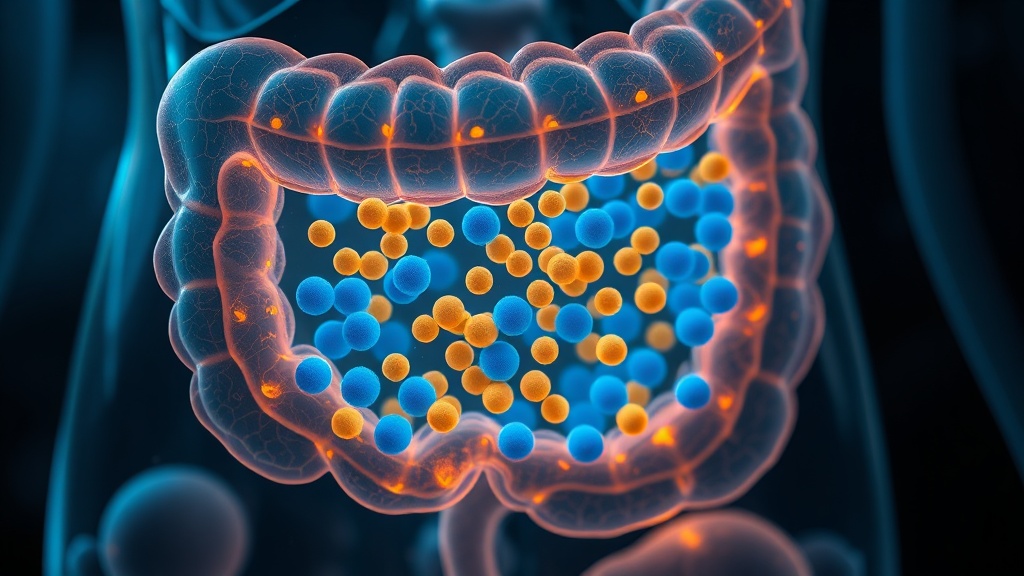
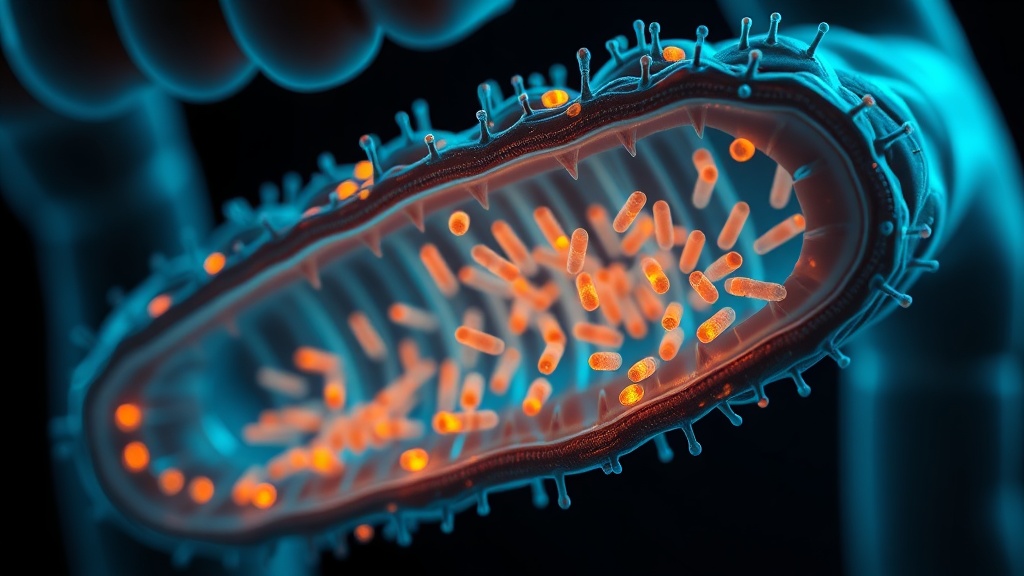
The primary findings are worth sitting with. The probiotic group showed a 2.1-fold increase in Parabacteroides (p = 0.018) and a 58% reduction in Erysipelotrichaceae_UCG-003 (p = 0.024)[1]. These aren't random shifts. Parabacteroides is increasingly recognized as a short-chain fatty acid (SCFA) producer with anti-inflammatory properties that may support gut barrier integrity. Erysipelotrichaceae_UCG-003, on the other hand, has been positively associated with dyslipidemia in multiple cohort studies.
Gastrointestinal symptoms improved significantly — the probiotic group achieved a 4.2-point reduction on the Gastrointestinal Symptom Rating Scale (GSRS) compared to just 0.8 points in placebo (p = 0.013)[1]. For patients dealing with chronic bloating, altered bowel habits, and abdominal discomfort on top of antiviral therapy, that's a clinically meaningful difference.
But here's where it gets complicated. The probiotics did not alter α-diversity indices. This is actually one of the more interesting findings, because it contradicts the popular narrative that "good probiotics increase diversity." What happened instead was selective taxonomic modulation — specific genera shifted without changing the overall ecosystem richness. I'd argue this is more honest about how probiotics actually work in most clinical contexts. They don't rebuild your entire ecosystem. They nudge specific populations.
The Lipid Stabilization Effect#
Non-HDL-C and LDL-C levels were better maintained in the probiotic group compared to placebo[1]. The trial didn't show that probiotics lowered lipids from baseline — they prevented the deterioration that TAF typically causes. That distinction matters. This is a protective effect, not a therapeutic one.
This aligns with preclinical data on BLa80 specifically. Zhu et al. (2025) demonstrated in a T2DM mouse model that Bifidobacterium animalis subsp. lactis BLa80 improved glucose homeostasis and lipid profiles through strain-specific mechanisms, particularly by increasing SCFA-producing bacterial taxa[5]. The mechanisms were distinct from other strains — BLa80 primarily impacted glycemic control while promoting Bifidobacterium and Limosilactobacillus proliferation.
He et al. (2025) further contextualize this by identifying Blautia abundance as positively correlated with ursocholic acid (UCA), a metabolite inversely associated with liver enzymes AST, TBIL, and ALP in HBV cirrhosis patients[2]. The cascade from microbial composition → metabolite production → hepatic function is becoming increasingly well-mapped, even if we're still far from being able to engineer it precisely.
Key Microbiota and Symptom Changes: Probiotic vs. Placebo (12 Weeks)
What the Trial Didn't Control For#
I'm less convinced by the lack of baseline microbiota diversity reporting across groups. They didn't control for baseline dietary fiber intake, which is a confounding variable that could explain some of the Parabacteroides enrichment independently. The 12-week duration is adequate for observing taxonomic shifts, but lipid stabilization effects would be more convincing over 6-12 months. And with n=84, the subgroup analyses are essentially underpowered.
The honest answer is the sample was too small to draw strong mechanistic conclusions. What we have is a signal — a good one, from a well-designed trial — but not definitive proof.
COMPARISON TABLE#
| Method | Mechanism | Evidence Level | Cost | Accessibility |
|---|---|---|---|---|
| BLa80/BL21/LRa05 Consortium (this trial) | Selective microbiota modulation, SCFA production, lipid stabilization via gut-liver axis | Single RCT (n=84), 12 weeks | ~$30-50/month (estimated) | Available in select markets; strain-specific sourcing required |
| L. helveticus UA881 | Body composition improvement, triglyceride reduction, α-diversity increase | Single RCT (n=50), 28 days | ~$25-40/month | Limited commercial availability |
| Fecal Microbiota Transplantation (FMT) | Full ecosystem transfer, broad microbial reconstitution | Multiple trials, variable outcomes in liver disease | $1,000-10,000/procedure | Clinical settings only; regulatory barriers |
| Dietary Fiber Intervention | Prebiotic substrate for endogenous SCFA production | Multiple meta-analyses | $5-15/month | Universally accessible |
| Standard TAF Monotherapy (no adjunct) | Antiviral suppression only; no microbiota support | Extensive RCT evidence for viral suppression | $30-60/month (generic) | Widely available |
THE PROTOCOL#
Based on the available evidence from this trial, here is a practical framework. I'd want to see this replicated before making strong recommendations, but if you're on long-term TAF therapy and experiencing GI symptoms or lipid drift, this is a reasonable starting point.
-
Confirm your baseline. Before starting any probiotic protocol, get a comprehensive lipid panel (non-HDL-C, LDL-C, TC, triglycerides) and, if accessible, a 16S rRNA-based stool microbiome test. You need to know where you're starting from — the intervention in this trial worked on a specific population (CHB patients on TAF), and extrapolating to other contexts requires knowing your own ecosystem.
-
Source the specific strains. This trial used Bifidobacterium animalis subsp. lactis BLa80, Bifidobacterium longum BL21, and Lactobacillus rhamnosus LRa05. Generic "probiotic blends" are not equivalent. Strain specificity matters — BLa80 has distinct metabolic mechanisms from other B. lactis strains[5]. Check the label for strain designations, not just species names.
-
Dose at 3 × 10¹⁰ CFU/day. This was the trial dose. Take with food, preferably with a meal containing some dietary fiber to provide prebiotic substrate. The trial did not specify timing relative to TAF dosing, but spacing probiotics at least 2 hours from antiviral medication is a reasonable precaution to avoid potential interactions.
-
Maintain the protocol for a minimum of 12 weeks. The trial duration was 12 weeks, and the significant microbiota shifts and GI symptom improvements were observed at this endpoint. Don't expect rapid changes — microbial ecosystems take time to respond to selective pressure.
-
Track GI symptoms weekly. Use the Gastrointestinal Symptom Rating Scale (GSRS) or a simplified version — rate bloating, abdominal pain, reflux, diarrhea, and constipation on a 1-7 scale. The trial showed a 4.2-point reduction, so you should be seeing measurable improvement by week 6-8.
-
Retest lipids at week 12. Compare non-HDL-C and LDL-C to baseline. The expected outcome is stabilization — not dramatic reduction. If lipids have continued to deteriorate despite the probiotic protocol, discuss statin or fibrate adjuncts with your hepatologist.
-
Support with dietary fiber. This trial didn't include a dietary intervention, but the cascade from prebiotics → SCFA production → gut barrier integrity → hepatic metabolic buffering is well-established[3]. Aim for 25-35g of mixed soluble and insoluble fiber daily — diverse sources, not just psyllium.
What are BLa80, BL21, and LRa05 exactly?#
These are specific probiotic strains: Bifidobacterium animalis subsp. lactis BLa80, Bifidobacterium longum BL21, and Lactobacillus rhamnosus LRa05. They were combined into a consortium at 3 × 10¹⁰ CFU/day in this trial. Each strain has distinct mechanisms — BLa80 in particular has preclinical data showing effects on glycemic control and SCFA-producing taxa in mouse models[5].
Why didn't the probiotics increase gut microbiota diversity?#
This is actually a common misunderstanding about how targeted probiotics work. The consortium selectively modulated specific taxa — boosting Parabacteroides and reducing Erysipelotrichaceae_UCG-003 — without changing overall α-diversity[1]. Think of it as rearranging the ecosystem's population ratios rather than adding new species. We genuinely don't know enough to say whether diversity changes would have been better or worse in this context.
How does tenofovir alafenamide affect the gut microbiome?#
TAF is primarily an antiviral targeting HBV replication, but long-term use is associated with dyslipidemia and gut microbiota alterations[1]. The exact mechanisms of TAF-induced dysbiosis aren't fully characterized, but the gut-liver axis model suggests that disrupted bile acid signaling via the FXR pathway and increased intestinal permeability may drive the cascade from antiviral use to metabolic side effects[3].
Who should consider this probiotic protocol?#
Based on current evidence, the most direct application is for chronic hepatitis B patients on long-term TAF monotherapy who are experiencing GI symptoms or lipid deterioration. I'd be cautious about extrapolating to other populations — the trial was specifically designed for this context. If you're not on TAF, the strain-specific benefits observed here may not apply to you.
When should improvements become noticeable?#
The trial measured outcomes at 12 weeks, and the GI symptom improvements (4.2-point GSRS reduction) were significant at that endpoint[1]. In our analysis, early GI symptom relief may appear around weeks 4-6, but meaningful microbiota shifts likely require the full 12-week duration. Lipid stabilization is a slower process and should be assessed no earlier than the 12-week mark.
VERDICT#
7/10. This is a well-designed RCT with a clinically relevant question and statistically significant results. The strain-specific microbiota modulation without diversity changes is genuinely novel and challenges simplistic narratives about probiotics. The GI symptom improvement is clinically meaningful. But — the sample size is modest (n=84), the duration is only 12 weeks, and the lipid stabilization effect, while present, needs longer follow-up to confirm durability. The lack of dietary controls weakens the mechanistic claims. I'd want to see a multi-center replication with 6-12 month follow-up before upgrading this. Still, for a targeted adjunct therapy in a specific patient population, this is a strong signal and one of the more interesting probiotic trials I've seen in the hepatology space this year.
References
- 1.Author(s) not listed. Probiotic Supplementation with BLa80, BL21, and LRa05 Improves Gut Microbiota in Chronic Hepatitis B Patients Receiving Tenofovir Alafenamide: A Randomized, Double-Blind, Placebo-Controlled Trial. Probiotics and Antimicrobial Proteins (2026). ↩
- 2.He H, Zou R, Liao X, Lan Y. Gut microbiota and metabolite profiles in HBV cirrhosis with persistent liver enzyme abnormalities. Frontiers in Microbiology (2025). ↩
- 3.Zhu J, Wang M, She S, Dai K, Yang G. Research advances on gut microbiota dysbiosis and chronic liver diseases: a review. Frontiers in Medicine (2026). ↩
- 4.Chang Y-W, Liu Y-C, Huang P-C, Lee S-Y, Lin M-Y, Hsu C-L. Lactobacillus helveticus UA881 Improves Body Composition, Lipid Profiles, and Gut Microbiota in Overweight Adults: A Randomized Double-Blind Placebo-Controlled Trial. Biomedicines (2026). ↩
- 5.Zhu M, Yang L, Li L, Bai Y, Zhao B. Administration of Bifidobacterium animalis Subsp. lactis BLa80 and Lactobacillus acidophilus LA85 Improved Hyperglycemia and Modulated Gut Microbiota in Type 2 Diabetic Mice. Probiotics and Antimicrobial Proteins (2025). ↩
- 6.Shi K, Sun L, Feng Y, Wang X. Distinct gut microbiota and metabolomic profiles in HBV-related liver cirrhosis: insights into disease progression. Frontiers in Cellular and Infection Microbiology (2025). ↩
Dax Miyori
Dax is comfortable with complexity and slightly impatient with people who want clean answers about the microbiome. He writes in systems terms and will point out when a study ignored confounding microbial variables: 'They didn't control for baseline diversity, which makes the result almost uninterpretable.' He uses 'ecosystem' and 'cascade' frequently — not as jargon, but because they're accurate.
View all articles →