Probiotics, Postbiotics & Gut Health: What the Science Shows

SNIPPET: Probiotics are live microorganisms that modulate gut microbiota composition, influencing immune function, metabolic regulation, and even neuropsychiatric outcomes via the gut-brain axis. Recent 2026 reviews confirm strain-specific effects on IBS, obesity, allergies, and cancer immunotherapy response — but efficacy depends critically on strain selection, dosage, food matrix, and individual baseline microbial diversity. Postbiotics are emerging as a more stable alternative.
THE PROTOHUMAN PERSPECTIVE#
The thing about probiotics is that everyone thinks they understand them, and almost nobody does. We're not talking about yogurt marketing. We're talking about a living ecosystem inside you that outnumbers your own cells, produces neurotransmitters your brain depends on, trains your immune system from birth, and — when disrupted — cascades into conditions spanning depression to colorectal cancer.
The latest wave of research, culminating in a massive 2026 review by Dladla, Fahmy, El-Saadony et al. in Frontiers in Immunology, reframes probiotics not as a supplement category but as a biological intervention with immunomodulatory, metabolic, and neurological consequences[1]. Simultaneously, the field is splitting: live probiotics on one side, postbiotics — their bioactive metabolites — on the other. For anyone optimizing human performance, this is the frontier. Not because probiotics are new, but because our understanding of which strains do what, for whom, and why is finally maturing past guesswork. Your gut doesn't care about your supplement brand. It cares about microbial specificity.
THE SCIENCE#
The Gut as Immune Command Center#
Probiotics are defined as living microorganisms that, when administered in adequate amounts, confer a health benefit on the host. That definition sounds simple. The biology is not.
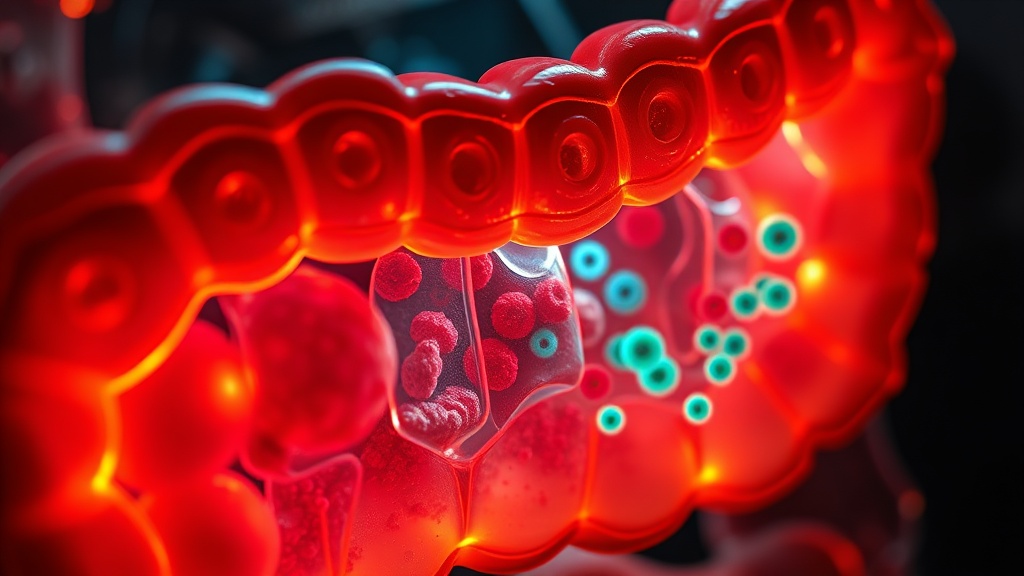
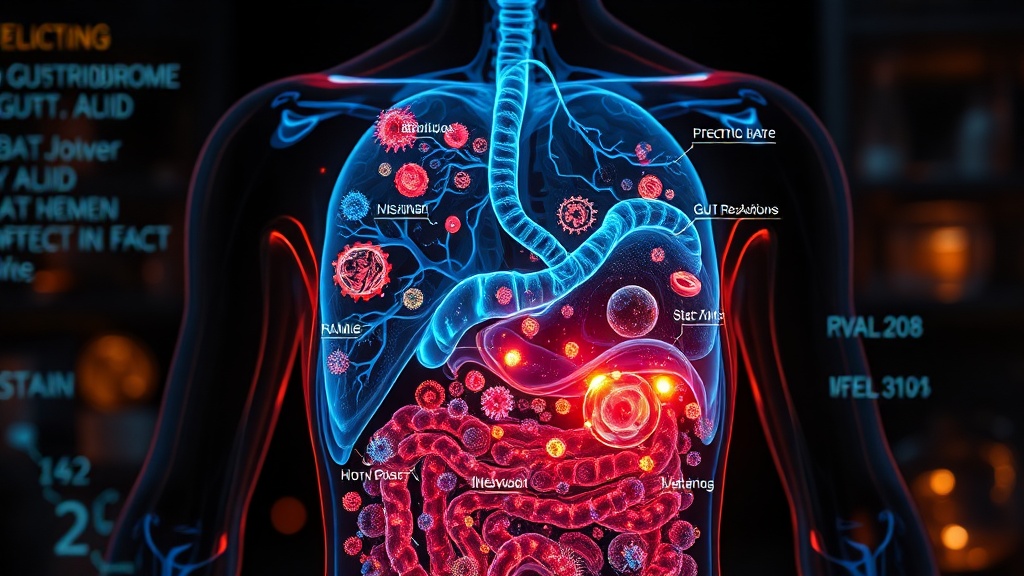
The gastrointestinal tract houses approximately 100 times more microorganisms than any other bacterial community in the human body[5]. These organisms don't just digest food — they produce short-chain fatty acids (SCFAs) like butyrate that fuel colonocytes, synthesize vitamins including B12 and K2, and directly modulate immune cell differentiation. Disruptions to this ecosystem — dysbiosis — have been associated with IBS, inflammatory bowel disease, functional constipation, obesity, metabolic syndrome, allergies, and mood disorders[2].
The critical insight from 2026 research is that probiotic efficacy is not universal. Vodnar et al. emphasize in their Frontiers in Nutrition editorial that outcomes depend on microbial strain characteristics, dosage, food matrix, duration of intake, and host-specific variables[2]. They didn't control for baseline diversity in many older studies, which makes a lot of historical results almost uninterpretable.
Immunomodulatory Mechanisms: Beyond the Gut#
The cascade from gut microbiota to systemic immunity is where things get genuinely interesting — and genuinely complicated.
Jani, Watson et al., writing in Frontiers in Immunology, detail how specific probiotic strains activate dendritic cells, enhance MHC-I-mediated antigen presentation, and shift macrophage polarization toward pro-inflammatory phenotypes that are beneficial in cancer contexts[4]. In preclinical murine models, supplementation with Bifidobacterium spp., Lactobacillus spp., Clostridium butyricum, and Akkermansia muciniphila enhanced immune checkpoint inhibitor (ICI) responses across melanoma, lung cancer, and colorectal cancer.
Let me push back on that excitement for a moment. These are murine models. The translation to human oncology is still early-phase. But the mechanism — microbial metabolites like SCFAs, inosine, and tryptophan derivatives supporting effector T cell activation and reducing T cell exhaustion — is biologically plausible and being tested in ongoing clinical trials[4].
Molecular mimicry between microbial and tumor-associated antigens adds another layer. Cross-reactivity may allow certain probiotic strains to prime the immune system against tumor epitopes. This is speculative territory, but the preclinical signal is strong enough that I'd want to see this replicated at scale.
The Gut-Brain Axis: Psychobiotics Enter the Frame#
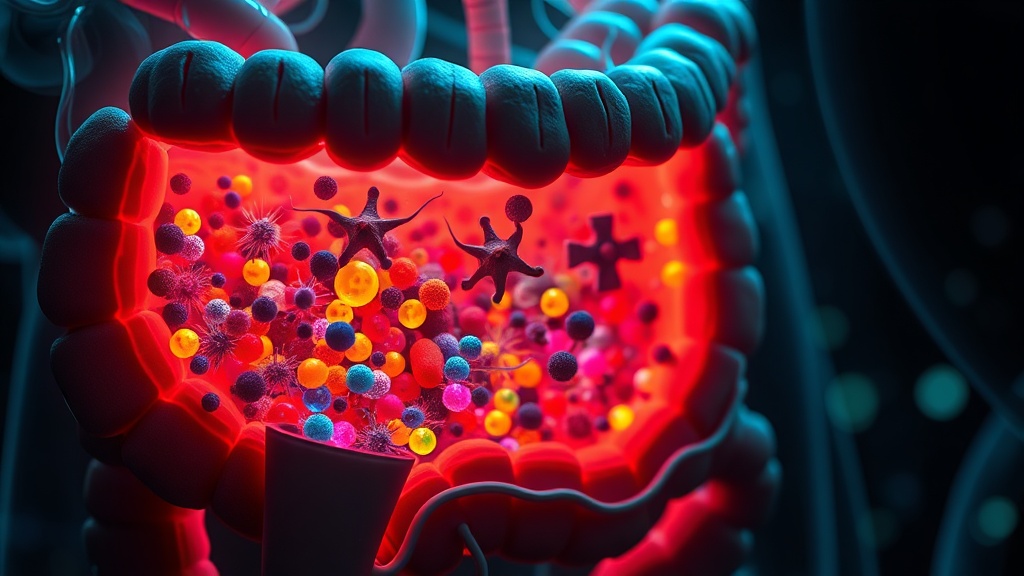
Kezer, Esatbeyoglu et al. provide an extensive overview of how probiotics, prebiotics, and synbiotics modulate the gut-brain axis (GBA) — the bidirectional communication system linking the GI tract to the central nervous system through neural, endocrine, immune, and metabolic pathways[3].
The thing about the GBA is that it's not one pathway. It's at least four overlapping systems — vagal nerve signaling, HPA axis regulation, immune-mediated cytokine trafficking, and microbial metabolite production — all influencing cognitive performance, emotional regulation, and resilience against neuropsychiatric disorders. Emerging evidence suggests probiotic interventions may modulate these pathways, but — and I'll be direct here — we genuinely don't know enough to make strong dose-response recommendations for neurological outcomes. Anyone who tells you otherwise is selling something.
Postbiotics: The Next Ecosystem Shift#
Christopher et al. present a compelling case for postbiotics — bioactive metabolites produced by probiotics, including exopolysaccharides, cell-free supernatants, SCFAs, and bacteriocins[5]. The appeal is practical: postbiotics are non-viable, thermostable, and don't carry the risk of antimicrobial resistance gene transfer that live probiotics theoretically do.
Their reported properties span immunomodulatory, antimicrobial, antioxidant, and anti-cancer activities. Encapsulation techniques are improving bioavailability. But limitations persist — variability in postbiotic composition and a near-total absence of standardized clinical evaluations mean we're still in the "promising but unproven" phase for most therapeutic applications.
Synbiotics and Encapsulation Technology#
Bhutada Sarita et al. highlight synbiotics — the combination of probiotics with prebiotics — as a strategy to enhance probiotic viability and inhibit pathogenic strains[6]. Encapsulation via spray drying, coacervation, and alginate-based gel beads protects live organisms through GI transit. This isn't trivial. Heat, pressure, and oxidation destroy most unprotected probiotic cells before they reach the colon, which is the primary site of colonization and activity.
COMPARISON TABLE#
| Method | Mechanism | Evidence Level | Cost | Accessibility |
|---|---|---|---|---|
| Live Probiotics (Lactobacillus, Bifidobacterium) | Competitive exclusion of pathogens, SCFA production, immune modulation | Multiple RCTs for IBS, diarrhea; early-phase for cancer | $15–60/month | High — OTC supplements, fermented foods |
| Postbiotics (SCFAs, bacteriocins, CFS) | Bioactive metabolite delivery without live organisms; immunomodulatory | Preclinical + limited human trials | $20–80/month | Moderate — emerging commercial products |
| Synbiotics (probiotic + prebiotic) | Enhanced probiotic colonization via prebiotic substrate | Growing RCT evidence for GI outcomes | $25–70/month | Moderate — specialized formulations |
| Fecal Microbiota Transplant (FMT) | Full ecosystem transfer from healthy donor | Strong for C. difficile; limited for other conditions | $500–2,000/procedure | Low — clinical settings only |
| Dietary Fiber Alone | Prebiotic substrate for endogenous microbiota | Well-established epidemiological evidence | $5–15/month | Very high — whole foods |
Probiotic Research Topic Views on Frontiers Journals
THE PROTOCOL#
Based on current evidence — and acknowledging that optimal dosing in humans is not yet fully established for many conditions — here is a practical framework for integrating probiotics into a performance-optimization protocol.
1. Establish your baseline. Before adding any probiotic, get a comprehensive stool microbiome analysis (e.g., 16S rRNA sequencing or shotgun metagenomics). Without knowing your baseline microbial diversity, you're guessing. I've done this myself, and the results changed which strains I prioritized entirely.
2. Select strain-specific products, not generic "probiotic blends." Evidence supports specific strains for specific outcomes: Lactobacillus rhamnosus GG for antibiotic-associated diarrhea, Bifidobacterium longum for IBS symptom reduction, Akkermansia muciniphila for metabolic markers. The strain designation matters — not just the genus[1][2].
3. Dose at clinically tested levels. Most positive trials use 10⁹–10¹¹ CFU/day. Many commercial products fall below this. Check the label for guaranteed CFU at expiration, not at manufacture.
4. Pair with prebiotic fiber to create a synbiotic effect. Include 5–10g of prebiotic fiber daily — inulin, FOS (fructooligosaccharides), or resistant starch from whole food sources like cooked-and-cooled potatoes, green bananas, or chicory root[6].
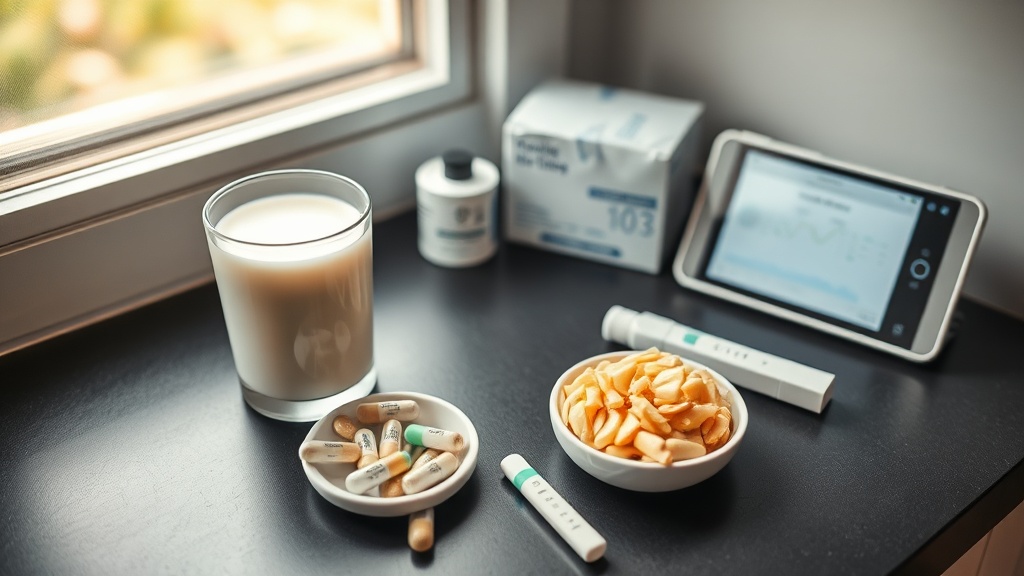
5. Time your intake strategically. Take probiotics with a meal or 30 minutes before eating. Gastric acid is lower during meals, improving survival through the stomach. Avoid taking with hot beverages — heat kills live organisms.
6. Consider postbiotics if you're immunocompromised or on antibiotics. For individuals where live microorganism supplementation carries theoretical risk — particularly immunosuppressed patients — postbiotic formulations (butyrate supplements, pasteurized Akkermansia) may offer a safer entry point[5].
7. Run a minimum 8-week trial. Microbial ecosystem shifts take time. Assess subjective symptoms (bloating, bowel regularity, energy, mood) and, if possible, retest your microbiome at the end of the trial period.
8. Maintain diversity through diet, not just supplements. Consume 30+ different plant species per week. This is the single most consistent predictor of microbiome diversity in epidemiological data. Supplements are an adjunct to this, not a replacement.
Related Video
What are the most evidence-backed probiotic strains for gut health?#
Lactobacillus rhamnosus GG and Saccharomyces boulardii have the strongest clinical evidence for diarrhea prevention and treatment. Bifidobacterium longum 35624 shows consistent results for IBS symptom reduction across multiple trials. The honest answer, though, is that "best strain" depends entirely on the condition you're targeting — there is no universal winner[1].
How do postbiotics differ from probiotics?#
Postbiotics are the bioactive metabolites produced by probiotic organisms — including short-chain fatty acids, bacteriocins, and exopolysaccharides — rather than the live organisms themselves. They're more thermostable, don't require refrigeration, and eliminate the theoretical risk of antimicrobial resistance gene transfer. The trade-off is that clinical validation in humans is still in its early stages[5].
Why does probiotic efficacy vary so much between individuals?#
Your baseline microbial diversity acts as the starting ecosystem that any new organism must integrate into. Factors including diet, genetics, medication use (especially antibiotics and PPIs), and even birth mode influence this baseline. Two people taking the same probiotic can have entirely different outcomes because their gut ecosystems are entirely different environments[2].
How are probiotics being used in cancer immunotherapy?#
In preclinical murine models, strains like Bifidobacterium, Clostridium butyricum, and Akkermansia muciniphila enhanced the efficacy of immune checkpoint inhibitors by activating dendritic cells, promoting effector T cell function, and reducing T cell exhaustion. Early-phase human trials are underway, particularly in melanoma, but this remains an emerging field — not an established clinical protocol[4].
When should someone avoid taking probiotics?#
Immunocompromised individuals, critically ill patients, and those with central venous catheters should exercise caution — rare cases of probiotic bacteremia have been documented. In these populations, postbiotic formulations may be a safer alternative. Always consult a clinician before starting supplementation if you have a serious underlying condition.
VERDICT#
7/10. The evidence base for probiotics is wide but uneven. For specific GI conditions — antibiotic-associated diarrhea, IBS, certain infectious diarrheas — the data is solid and replicated. The immunotherapy angle is exciting but preclinical. The gut-brain axis work is mechanistically plausible but underpowered in human trials. Postbiotics are a smart conceptual advance, but we're years from standardized clinical protocols. The biggest practical problem in 2026 remains the same one it's been for a decade: most consumers are taking generic blends without knowing their baseline diversity, specific strain needs, or effective dosages. That's not biohacking — that's guessing. If you choose to trial probiotics, do it with strain specificity, adequate dosing, and a minimum 8-week commitment. Otherwise, save your money and eat more fermented vegetables.
References
- 1.Dladla M, Fahmy MA, El-Saadony MT, Saad AM, Sitohy M, Alkafaas SS, Ghosh S, Mohammed DM, Ibrahim EH, Elkelish A, AbuQamar SF, El-Tarabily KA. Probiotics and human health: biological activities, nutritional aspects, immunomodulatory properties, applications, and future perspectives - a comprehensive review. Frontiers in Immunology (2026). ↩
- 2.Vodnar DC, Lipan L, Teleky BE, Calinoiu LF, Mitrea L, Nemes SA. Editorial: Efficacy of probiotic-enriched foods on digestive health and overall well-being. Frontiers in Nutrition (2026). ↩
- 3.Kezer G, Paramithiotis S, Khwaldia K, Harahap IA, Čagalj M, Šimat V, Smaoui S, Elfalleh W, Ozogul F, Esatbeyoglu T. A comprehensive overview of the effects of probiotics, prebiotics and synbiotics on the gut-brain axis. Frontiers in Microbiology (2025). ↩
- 4.Jani CT, Salazar AS, Watson DC, Edwards K, Bhanushali C, Zheng X, Lopes G. Leveraging beneficial microbiome-immune interactions via probiotic use in cancer immunotherapy. Frontiers in Immunology (2025). ↩
- 5.Christopher JG, Kini B, Ramanujam S, Pattapulavar V. Probiotic-derived postbiotics: a perspective on next-generation therapeutics. Frontiers in Nutrition (2025). ↩
- 6.Bhutada S, Dahikar S, Hassan MZ, Kovaleva EG. A comprehensive review of probiotics and human health-current prospective and applications. Frontiers in Microbiology (2025). ↩
Dax Miyori
Dax is comfortable with complexity and slightly impatient with people who want clean answers about the microbiome. He writes in systems terms and will point out when a study ignored confounding microbial variables: 'They didn't control for baseline diversity, which makes the result almost uninterpretable.' He uses 'ecosystem' and 'cascade' frequently — not as jargon, but because they're accurate.
View all articles →