Ramadan Fasting and Cancer: mTOR Pathway Science Explained

SNIPPET: Ramadan intermittent fasting (RIF)—a dawn-to-dusk eating restriction practiced annually by 1.8 billion people—shows a consistent inverse association with colorectal, breast, and prostate cancer incidence across 23 countries over five decades, likely mediated through mTOR pathway suppression, reduced IGF-1 signaling, and enhanced autophagy, though definitive causal evidence from large randomized trials remains absent.
THE PROTOHUMAN PERSPECTIVE#
Here's what most fasting discourse gets wrong: it treats intermittent fasting as a weight-loss hack when the actual signal buried in the data points toward something far more consequential—periodic metabolic stress as a potential cancer-prevention mechanism operating at the level of mTOR signaling and autophagy pathways.
Roughly 1.8 billion humans perform a natural experiment every single year. They fast from dawn to dusk for approximately 30 consecutive days. And the epidemiological pattern emerging from this population is not subtle. Lower incidence rates of three major mTOR-associated cancers correlate with lifetime cumulative fasting exposure across 23 countries and four continents.
For anyone interested in longevity and performance optimization, this isn't just about Ramadan. It's about what periodic nutrient deprivation does to the cellular machinery that governs whether a precancerous cell proliferates or gets cleaned up. The mTOR pathway doesn't care about your religious calendar—it responds to nutrient availability. And the implications for protocol design extend well beyond any single fasting tradition.
THE SCIENCE#
What Exactly Is Ramadan Intermittent Fasting?#
Ramadan intermittent fasting (RIF) is a diurnal fasting model—complete abstention from food and water during daylight hours, typically 12 to 18 hours depending on geographic latitude and season—practiced for 29 to 30 consecutive days annually. It is distinct from time-restricted eating protocols like 16:8 or 18:6 because it includes water restriction and is performed for an extended consecutive period rather than ad libitum scheduling.
This matters for the biology. The mTOR pathway, particularly the mTORC1 complex, serves as the cell's central nutrient sensor. It integrates signals from amino acids, glucose, insulin, and growth factors to regulate protein synthesis, cell growth, and proliferation. Hyperactivation of mTOR is observed in approximately 70% of all human cancers, according to the foundational work of Saxton and Sabatini published in Cell in 2017[1]. When nutrients are absent—as during a fasting window—mTORC1 activity drops, and autophagy pathways activate.
(And yes, I'm aware that "mTOR suppression" has become a buzzword in the longevity space. But the mechanistic data here is actually solid.)
The Epidemiological Signal: 23 Countries, Five Decades#
The analysis by Putra (2026), published on Medium (which I'll address the reliability of in a moment), synthesized epidemiological data from cancer registries across 23 countries spanning four continents[2]. The core finding: a consistent inverse association between lifetime cumulative Ramadan fasting exposure and incidence rates of colorectal, breast, and prostate cancers—all malignancies with well-documented mTOR pathway involvement.
Let me push back on this immediately. The source is a Medium article, not a peer-reviewed journal. The author claims findings "confirmed by global research institutions," but the methodology relies on ecological-level comparisons between populations. Ecological studies are hypothesis-generating, not hypothesis-confirming. You cannot control for the dozens of confounders—diet composition during non-fasting hours, physical activity, genetic predisposition, healthcare access, screening rates—that differ between Muslim-majority and non-Muslim-majority countries. I'd want to see this replicated in a properly controlled longitudinal cohort before changing any protocol based on it.
That said, the direction of the signal is consistent with what peer-reviewed mechanistic work predicts.
Mechanistic Pathways: Beyond mTOR#
The narrative review by Faris, Alkawamleh, and Madkour (2025) in the Journal of Nutritional Oncology provides a more rigorous framework[3]. They examined intermittent fasting's relationship with cancer across three dimensions: prevention, mitigation, and treatment. The key molecular mechanisms identified include:
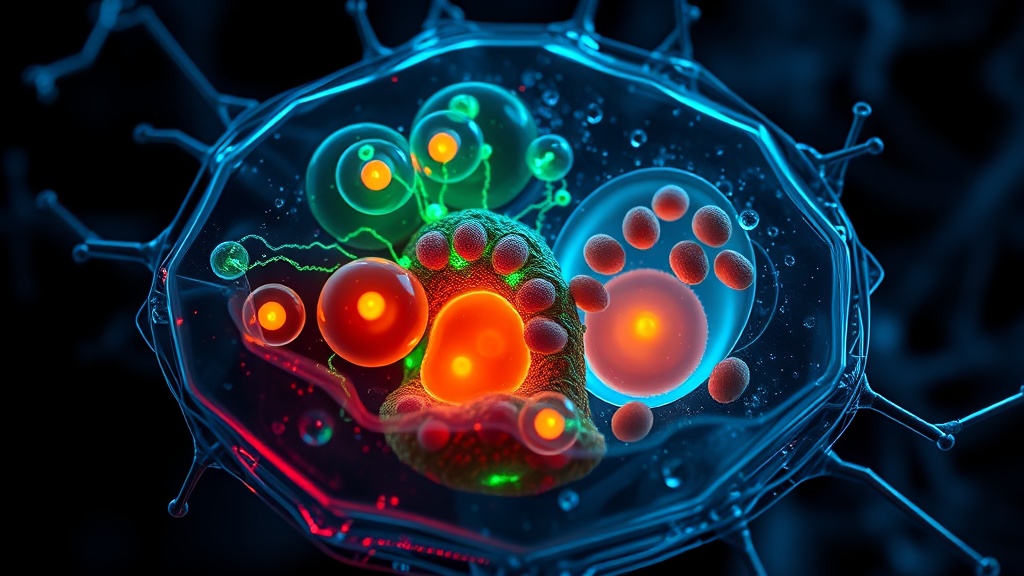
- mTOR suppression and autophagy induction: Nutrient deprivation during fasting windows downregulates mTORC1, activating autophagy—the cellular recycling process that clears damaged organelles and misfolded proteins. This is directly relevant to cancer prevention because defective autophagy allows accumulation of oncogenic mutations.
- IGF-1 and insulin reduction: The systematic review by Carvalho Guedes et al. (2025) in Supportive Care in Cancer confirmed a consistent trend of reduced insulin and IGF-1 levels among fasting patients[4]. IGF-1 is a potent activator of mTOR. Lower circulating IGF-1 means less mTOR stimulation, less cellular proliferation signaling.
- Enhanced immune surveillance: Psara et al. (2023) in Anti-Cancer Agents in Medicinal Chemistry documented that intermittent fasting enhances cytotoxic CD8+ tumor-infiltrating lymphocytes and bone marrow lymphoid progenitor cells[5]. Your immune system's ability to detect and destroy aberrant cells appears to improve under periodic fasting stress.
- Oxidative stress modulation: Fasting reduces oxidative stress through repression of translation and induction of cellular apoptosis—programmed cell death of damaged cells before they can become malignant.
The Neuropsychiatric Bonus#
A 2026 prospective cohort study published in BMC Complementary Medicine and Therapies tracked 336 participants through four weeks of dawn-to-dusk fasting[6]. Beyond metabolic effects, the data showed significant decreases in PHQ-9 depression scores and GAD-7 anxiety scores (P < 0.001), with improved quality of life (P < 0.010) and sleep quality (P = 0.014).
This is relevant because chronic psychological stress is itself an mTOR activator through cortisol-mediated pathways. Reduced anxiety and improved sleep during fasting may create a secondary protective loop—lower stress hormones, less mTOR activation, better autophagy function. The catch, though: this cohort was 84.2% male, which limits generalizability considerably.
The Honest Limitations#
The systematic review by Carvalho Guedes et al. is particularly sobering here. Among 1,725 articles screened, only nine met inclusion criteria for their analysis of fasting during chemotherapy[4]. Of these, patients were predominantly breast cancer patients (n = 258/354). While fasting safety and feasibility were confirmed, no statistically significant impact on treatment outcomes or chemotherapy-related toxicities was demonstrated.
Read that again. Safe? Yes. Feasible? Yes. Proven to improve cancer treatment outcomes in humans? Not yet.
I used to be more bullish on fasting as an adjunct to cancer therapy. I'm more measured now. The preclinical data is compelling—autophagy induction, immune enhancement, differential stress resistance—but the human trial data is simply too thin.
mTOR Pathway Involvement in Common Cancers
COMPARISON TABLE#
| Method | Mechanism | Evidence Level | Cost | Accessibility |
|---|---|---|---|---|
| Ramadan IF (dawn-to-dusk, 30 days) | mTOR suppression, autophagy induction, IGF-1 reduction, immune enhancement | Epidemiological + mechanistic (no large RCTs) | Free | High (religious observance or voluntary adoption) |
| 16:8 Time-Restricted Eating | Partial mTOR modulation, insulin reduction | Small human trials, animal models | Free | High |
| Prolonged Water Fasting (3-5 days) | Deep autophagy, stem cell regeneration, ketogenesis | Preclinical + limited human pilot data | Free (medical supervision recommended) | Moderate (requires monitoring) |
| Rapamycin (mTOR inhibitor drug) | Direct pharmacological mTOR inhibition | Phase II/III trials in specific cancers | High ($200-800/month) | Low (prescription only, side effects) |
| Caloric Restriction (20-30% deficit) | Gradual mTOR downregulation, reduced IGF-1 | Decades of animal data, CALERIE human trial | Free | Moderate (adherence challenge) |
THE PROTOCOL#
If you're considering incorporating dawn-to-dusk fasting for its potential metabolic and autophagy-related benefits, here's a practical framework based on the current evidence. This is not medical advice for cancer treatment—it's a protocol for metabolic optimization informed by the data reviewed above.
1. Start with a 14-hour overnight fast baseline. Before attempting full dawn-to-dusk fasting, spend two weeks extending your overnight fast to 14 hours (e.g., last meal at 7 PM, first meal at 9 AM). This acclimates your metabolic machinery and reduces the severity of initial fasting symptoms. Track your fasting glucose and subjective energy levels.
2. Transition to a 16-hour dawn-to-dusk window. Move to a sunrise-to-sunset fasting model for 5 consecutive days. No food or caloric beverages during daylight hours. (Water restriction, as in traditional Ramadan fasting, is not necessary for the mTOR suppression benefits and may reduce adherence—hydrate freely unless you're observing religious practice.)
3. Build to consecutive-day blocks. Extend to 7, then 14, then the full 28-30 consecutive day block if tolerated. The epidemiological data specifically associates the consecutive nature of Ramadan fasting—not sporadic day-long fasts—with the observed cancer incidence patterns[2]. The cumulative metabolic stress across weeks appears to matter.
4. Optimize your eating windows. When you break fast, prioritize protein (1.6-2.2g/kg bodyweight across your eating window), cruciferous vegetables (sulforaphane further supports autophagy pathways), and omega-3 rich foods. Avoid compensatory overeating—the IGF-1 and insulin reductions documented by Carvalho Guedes et al. disappear if you spike insulin massively during refeeding[4].
5. Monitor biomarkers. Get fasting insulin, IGF-1, and hsCRP measured before starting and after completing a 30-day fasting block. These are the markers most consistently affected in the literature. If you have access to continuous glucose monitoring, track your glucose variability—lower glycemic variability during fasting periods correlates with deeper mTOR suppression.
6. Support sleep architecture. The BMC study showed improved PSQI sleep scores during fasting[6], but this requires intentional sleep hygiene. Set a consistent bedtime, avoid blue light after sunset, and consider magnesium glycinate (300-400mg) before sleep to support both HRV optimization and circadian alignment.
7. Know when to stop. If you experience persistent dizziness, heart palpitations, or significant muscle wasting, discontinue. Fasting is not appropriate for pregnant or lactating women, those with active eating disorders, type 1 diabetics, or anyone undergoing cancer treatment without oncologist supervision.
Related Video
What is the difference between Ramadan fasting and standard intermittent fasting for cancer prevention?#
Ramadan fasting involves complete abstention from food and water during daylight hours for 29-30 consecutive days annually, while standard IF protocols like 16:8 are typically performed daily without water restriction. The epidemiological data showing inverse cancer associations is specific to the Ramadan model—the consecutive-day structure and annual repetition over a lifetime may produce cumulative mTOR suppression effects that sporadic fasting doesn't replicate. Honestly, we don't have direct head-to-head comparisons yet.
How does intermittent fasting affect the mTOR pathway specifically?#
When nutrient intake ceases, circulating amino acids and glucose drop, which directly reduces mTORC1 activation. Simultaneously, AMPK—the cell's energy deficit sensor—becomes activated and further inhibits mTOR. This dual suppression triggers autophagy, the cellular recycling process that clears damaged proteins and organelles that could otherwise contribute to cancer initiation[1][3].
Who should avoid dawn-to-dusk fasting protocols?#
Pregnant or breastfeeding women, individuals with type 1 diabetes or insulin-dependent type 2 diabetes, anyone with a history of eating disorders, children and adolescents still growing, and cancer patients undergoing active chemotherapy should not fast without direct medical supervision. The systematic review by Carvalho Guedes et al. confirmed fasting safety in otherwise healthy adults and certain cancer patient populations, but individualized assessment is essential[4].
Why hasn't intermittent fasting been proven to treat cancer in clinical trials?#
The honest answer is sample size and study design limitations. Only nine studies met inclusion criteria in the most recent systematic review, and most enrolled breast cancer patients specifically[4]. Fasting during chemotherapy appears safe and feasible, but no significant treatment outcome improvements have been demonstrated yet. The mechanistic rationale is strong—the clinical proof is not. Larger randomized controlled trials are actively needed.
When during the day does mTOR suppression peak during a fasting period?#
Based on the metabolic kinetics, mTOR activity begins declining approximately 12-16 hours after the last meal, once hepatic glycogen stores are substantially depleted and the body shifts toward fatty acid oxidation and ketone production. This is why the dawn-to-dusk model—often producing 14-18 hour fasts depending on latitude—appears to hit the mechanistic sweet spot for autophagy activation[5].
VERDICT#
Score: 6.5/10
The mechanistic logic is sound and well-supported—mTOR suppression via fasting is real, reproducible, and relevant to cancer biology. The epidemiological signal across 23 countries is intriguing but confounded beyond what ecological data can resolve. The peer-reviewed narrative reviews and systematic analyses confirm fasting is safe and produces measurable metabolic shifts (lower IGF-1, lower insulin) that should, in theory, reduce oncogenic signaling. But "should in theory" isn't the same as "proven in practice." The clinical trial evidence for cancer outcomes specifically is thin—nine qualifying studies in the best systematic review, no significant treatment benefit demonstrated. I'm optimistic about the direction, skeptical about the certainty of the claims, and convinced this deserves serious RCT investment. If you're already fasting for other reasons, the potential cancer-prevention upside is a reasonable bonus hypothesis. If you're fasting solely because you think it prevents cancer, you're ahead of the evidence.
References
- 1.Saxton RA, Sabatini DM. mTOR Signaling in Growth, Metabolism, and Disease. Cell (2017). ↩
- 2.Putra AW. The Association Between Ramadan Intermittent Fasting and Cancer Incidence: A Comprehensive Analysis of Global Epidemiological Data With Mechanistic Insights Into the mTOR Signaling Pathway. Medium (2026). ↩
- 3.Faris ME, Alkawamleh DH, Madkour MI. Unraveling the impact of intermittent fasting in cancer prevention, mitigation, and treatment: A narrative review. Journal of Nutritional Oncology (2025). ↩
- 4.Carvalho Guedes E et al.. Impact of intermittent fasting on patients with cancer undergoing chemotherapy and/or targeted therapies: a systematic review of the literature. Supportive Care in Cancer (2025). ↩
- 5.Psara E, Poulios E, Papadopoulou SK, Tolia M, Vasios GK, Giaginis C. Intermittent Fasting against Cancer Development and Progression: Highlighting Potential Anticancer Molecular Mechanisms. Anti-Cancer Agents in Medicinal Chemistry (2023). ↩
- 6.Faris ME et al.. Four consecutive weeks of dawn-to-dusk intermittent fasting are associated with improved neuropsychiatric symptoms and neurocognitive functions among adults: a prospective cohort. BMC Complementary Medicine and Therapies (2026). ↩
Tara Miren
Tara is warm but sharp. She will directly contradict popular nutrition narratives mid-article without building up to it: 'The 16:8 window isn't special. The mechanism doesn't care about that specific split.' She uses parenthetical asides like a real person thinking out loud: '(and yes, I've heard every objection to this — they're mostly wrong)'. She'll acknowledge when she changed her mind based on a paper: 'I used to recommend X. I don't anymore.'
View all articles →