Taurine and B Vitamins Boost Motivation via Brain Glutathione

SNIPPET: A double-blind crossover trial with 44 adults found that a blend of taurine, vitamins B6, B9, and B12 significantly improved effortful motivated behavior within 14 days. The mechanism appears to involve increased glutathione (GSH) production in the brain's reward circuitry, specifically the nucleus accumbens, enhancing cost-benefit effort valuation.
THE PROTOHUMAN PERSPECTIVE#
This one landed on my desk and I almost scrolled past it — another "supplement improves brain thing" headline. But the mechanism here is different from the usual dopamine-hack narrative, and that's what stopped me.
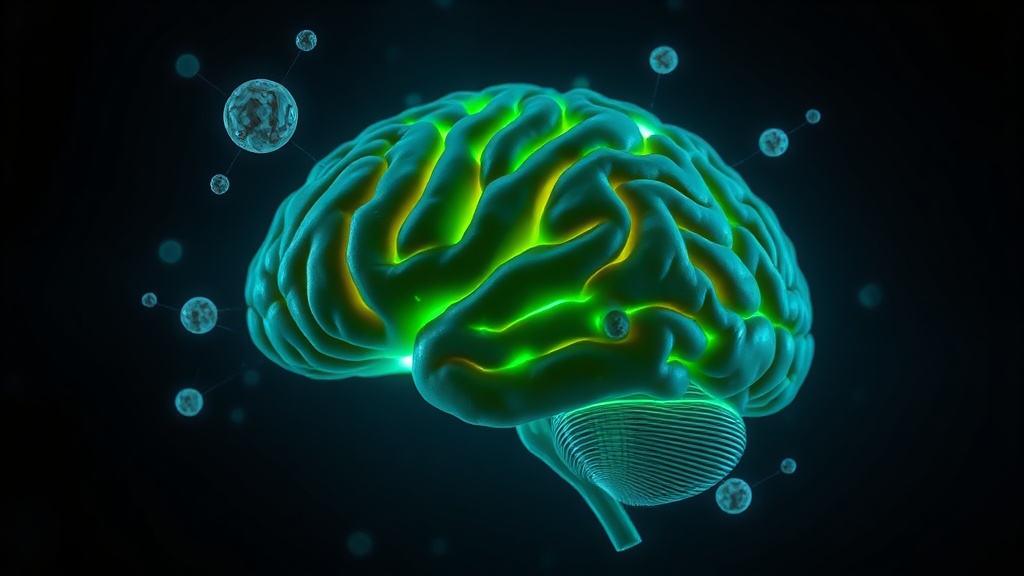
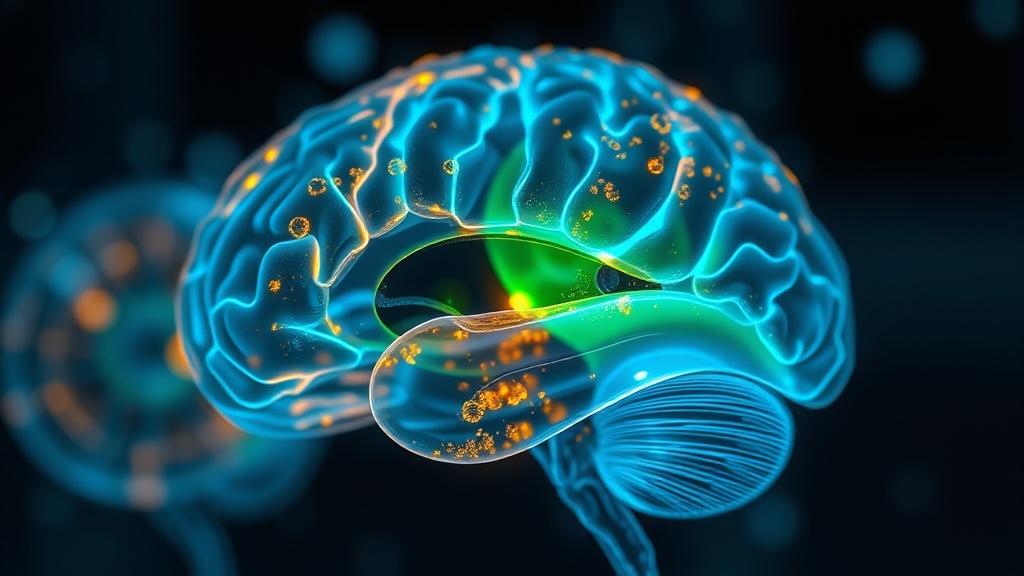
The core finding connects nutritional supplementation directly to glutathione levels in the nucleus accumbens — the brain's effort-reward calculator. We're not talking about another nootropic that vaguely "supports cognitive function." This is targeted neurochemistry: raise GSH in the specific brain region responsible for deciding whether a task is worth the effort, and people actually perform more consistently on effortful tasks.
For anyone optimizing human performance — whether that's sustaining deep work, athletic output, or just getting through the afternoon without decision fatigue — this represents a shift. Instead of stimulating the reward pathway (caffeine, modafinil), you're potentially reducing the oxidative drag that makes effort feel costlier than it should. That's a fundamentally different lever. And the ingredients are cheap, widely available, and already well-characterized for safety. That combination doesn't happen often.
THE SCIENCE#
Glutathione: The Overlooked Motivation Molecule#
Let's set the stage. Glutathione (GSH) is the body's master antioxidant — most biohackers know this. What most don't know is that GSH levels in the nucleus accumbens specifically correlate with how willing you are to sustain physical and mental effort for a reward. Prior preclinical research established this link: animals with higher accumbal GSH consistently chose harder tasks when the payoff justified it[1].
Look, the dopamine crowd isn't going to love hearing this. Motivation isn't purely a dopamine story. GSH modulates the oxidative environment in which dopaminergic neurons operate. When oxidative stress climbs in the nucleus accumbens, the effort cost calculation shifts — your brain literally perceives the same task as requiring more effort. Reducing that oxidative burden doesn't make you more motivated in the "pump-up" sense. It makes effort feel less expensive.
The In Vitro Foundation#
Before going to humans, Trovò and colleagues tested candidate nutrients in primary astrocytes — the glial cells that are actually the major GSH producers in the brain. Taurine emerged as the standout: it efficiently upregulated GSH synthesis and protected mitochondria from oxidative stress damage[1]. But here's the catch — and this is the mechanistic detail that matters — taurine only drove meaningful GSH production when vitamin B9 (folate) levels were adequate[1].
Wait, let me be more precise here. This isn't just "taurine is good and folate helps." The B9 dependency suggests that taurine's GSH-boosting action runs through the one-carbon metabolism pathway, where folate serves as a critical methyl donor. Without sufficient B9, the transsulfuration pathway that converts homocysteine to cysteine (the rate-limiting precursor for GSH) stalls. Vitamins B6 and B12 feed into the same pathway at different enzymatic steps — B6 as a cofactor for cystathionine beta-synthase, B12 for methionine synthase[1][2].
So the blend isn't arbitrary. It's mechanistically coherent: taurine drives demand for GSH production, and the B-vitamin trio ensures the supply chain doesn't bottleneck.
The Human Trial#
Anlacan, Jamora, Trovò, and colleagues ran a randomized, double-blind, 2-arm, crossover study — the gold standard design for this kind of nutritional intervention. Forty-four healthy adults aged 25–40 received either the active blend (taurine + B6, B9, B12) or placebo for four weeks, then crossed over[1].
Motivational performance was measured using the Monetary Incentive Delay (MID) Task coupled with a physical effort component — participants had to decide whether to exert effort for monetary rewards of varying sizes. This isn't a subjective questionnaire. It's a behavioral task that captures actual effort-reward decision-making in real time.
Results showed significant improvements after just 14 days of supplementation in the first period, and after 28 days in the second administration period, compared to placebo[1][2]. More specifically, participants receiving the active blend maintained consistent motivational performance throughout the task — meaning they didn't show the typical decline in effort willingness that occurs as a task drags on.
The blend also reduced the number of lapses during the Psychomotor Vigilance Task (PVT) after 14 days, suggesting improved sustained attention. Interestingly, this PVT effect didn't persist at the 28-day mark — I'd want to see an explanation for that temporal discrepancy before reading too much into it[1][2].
What I'm Skeptical About#
Look, I have to flag the elephant in the room. Three of the seven authors are affiliated with Nestlé Research. The study was published in Frontiers in Nutrition (impact factor 5.1), which is peer-reviewed and PubMed-indexed, so the methodology was vetted. The crossover design and use of an objective behavioral task (not self-report) are strong points. But industry involvement always warrants a raised eyebrow — particularly when the blend could easily be commercialized as a branded supplement.
The sample size of 44 is adequate for a crossover design but still modest. And the honest answer is we don't have direct evidence from this trial that brain GSH levels actually changed — that inference is extrapolated from the in vitro data and prior preclinical work. A follow-up with MR spectroscopy measuring accumbal GSH would seal the deal.
Supporting Evidence: B-Vitamin Synergy#
Independent of the Nestlé-affiliated trial, the synergistic effect of combined B vitamins is well-supported. Rayner, Ruiz, and Viel (2025) demonstrated that combined neurotropic B vitamins (B1, B6, B12) promoted neurite growth in vitro significantly better than any single B vitamin alone[3]. While their work focused on peripheral neuropathy rather than central motivation, it reinforces the principle that B vitamins operate as a biochemical unit, not as isolated actors. The shared reliance on one-carbon metabolism, transsulfuration, and methylation pathways means inadequacy in any single member can throttle the entire system.
Timeline of Motivational Performance Improvements
COMPARISON TABLE#
| Method | Mechanism | Evidence Level | Cost (Monthly) | Accessibility |
|---|---|---|---|---|
| Taurine + B6/B9/B12 Blend | Upregulates brain GSH via transsulfuration pathway; reduces oxidative effort cost in nucleus accumbens | One double-blind crossover RCT (n=44) + in vitro data | ~$15–25 | High — OTC supplements |
| NAC (N-Acetyl Cysteine) | Direct cysteine donor for GSH synthesis systemically | Multiple RCTs for psychiatric applications; limited motivation-specific data | ~$10–20 | High — OTC supplement |
| Glycine + NAC (GlyNAC) | Dual GSH precursor support; mitochondrial efficiency | RCTs in aging populations (Sekhar et al.); no motivation-specific trials | ~$20–35 | High — OTC supplements |
| Modafinil | Dopamine reuptake inhibition; direct wakefulness promotion | Extensive RCT evidence for wakefulness; limited effort-motivation data | ~$30–100 (Rx) | Low — prescription required |
| Caffeine | Adenosine receptor antagonism; indirect dopamine modulation | Extensive evidence for alertness; tolerance develops rapidly for motivation effects | ~$5–15 | Very high |
| Rhodiola rosea | Adaptogenic stress modulation; unclear primary mechanism | Mixed RCT evidence; preclinical data from Karcioglu Batur et al. (2026) in combination blends | ~$15–25 | High — OTC supplement |
THE PROTOCOL#
Based on the trial data from Anlacan et al. (2026), here's a practical implementation framework. A caveat: the exact dosages used in the trial are referenced from the registered protocol (NCT05733364), and some may reflect proprietary formulation ratios. The following is based on current evidence and standard supplemental dosing.
Step 1: Establish your baseline. Before starting, track your perceived effort tolerance for 5–7 days. Use a simple 1–10 effort rating after your most demanding daily task. This gives you a subjective baseline to compare against.
Step 2: Source the core ingredients. You need four components: taurine (aim for 1–3g/day, a well-established safe range), pyridoxine/vitamin B6 (10–25mg), methylfolate/vitamin B9 (400–800mcg — use methylfolate, not folic acid, to avoid MTHFR polymorphism issues), and methylcobalamin/vitamin B12 (500–1000mcg). These can be taken as separate supplements or found in a quality B-complex paired with standalone taurine.
Step 3: Set your timing. The trial used daily supplementation over 4 weeks, with effects emerging at 14 days. Take the blend in the morning with food — B vitamins can cause mild nausea on an empty stomach, and taurine absorption is fine with or without food.
Step 4: Monitor for the 14-day inflection point. The data suggests significant effects appear after two weeks of consistent intake[1]. Don't expect Day 1 results — this isn't a stimulant. The mechanism involves upregulating an enzymatic pathway, which takes time.
Step 5: Ensure folate adequacy from diet. The in vitro data was clear — taurine's GSH-boosting effect depends on adequate B9[1]. Don't rely solely on the supplement. Eat dark leafy greens, legumes, and liver regularly. If you're one of the ~30–40% of the population with a MTHFR C677T variant, methylfolate supplementation becomes even more critical.
Step 6: Assess and adjust at 28 days. Re-evaluate your effort ratings. If no change is perceived, consider increasing taurine to the higher end of the range (3g) or checking your B12/folate serum levels. Some people are poor absorbers and need sublingual B12.
Step 7: Cycle or continue based on tolerance. The trial used 4-week blocks. There's no established toxicity concern with ongoing use at these doses, but I'd personally cycle 8 weeks on, 2 weeks off — standard precautionary practice when no long-term data exists.
Related Video
What is the connection between glutathione and motivation?#
Glutathione (GSH) in the nucleus accumbens — the brain's effort-reward hub — appears to modulate how costly effort feels. Higher GSH levels correlate with more consistent performance on effortful tasks, likely because reduced oxidative stress allows the reward circuitry to function more efficiently. It's not that GSH makes you "want" things more; it may make the effort to get them feel less draining.
How long does taurine and B-vitamin supplementation take to improve motivation?#
According to the Anlacan et al. (2026) trial, statistically significant improvements in effortful motivated behavior appeared after 14 days of daily supplementation[1]. This timeline aligns with the enzymatic nature of the mechanism — you're upregulating a biosynthetic pathway, not flipping a switch. Patience matters here more than dose escalation.
Who should consider this supplement blend?#
Healthy adults aged 25–40 were the studied population, so that's where the evidence sits. If you experience afternoon motivation crashes, difficulty sustaining effort on long tasks, or general "effort aversion" that isn't explained by sleep debt or depression, this blend may be worth trialing. Anyone with a B-vitamin deficiency (common in vegetarians and those with MTHFR variants) might see an outsized benefit.
Why was vitamin B9 specifically required for taurine to boost glutathione?#
B9 (folate) is essential in the one-carbon metabolism cycle that feeds into the transsulfuration pathway. Without adequate folate, homocysteine cannot be efficiently recycled or converted to cysteine — the rate-limiting amino acid for GSH synthesis. Taurine appears to increase demand on this pathway, so without B9, the supply of cysteine simply can't keep up[1].
How does this compare to taking NAC for glutathione support?#
NAC provides cysteine directly, bypassing the transsulfuration pathway entirely. It's a more brute-force approach to raising GSH. The taurine + B-vitamin blend, by contrast, works by optimizing the endogenous pathway. Neither approach has been head-to-head compared for motivation outcomes specifically. NAC has broader psychiatric evidence but no motivation-specific RCT data that I'm aware of.
VERDICT#
Score: 7/10
The mechanism is elegant, the trial design is solid (crossover, double-blind, objective behavioral measure), and the ingredients are cheap and safe. I'm genuinely interested in this one — not because it's some miracle stack, but because targeting accumbal GSH for effort optimization is a novel and biologically plausible approach. The 14-day onset is realistic for an enzymatic upregulation mechanism.
But. The sample is small (n=44), three authors work for Nestlé, we don't have direct measurement of brain GSH changes in the human subjects, and the PVT improvement disappearing at 28 days is unexplained. I'd score this higher with an independent replication and MR spectroscopy confirmation. For now, it's a well-designed preliminary signal — not a settled protocol. Worth trying at these low-risk doses if the mechanism resonates with your situation.
References
- 1.Anlacan VM, Jamora RDG, Krattinger LF, De Longis E, Hartweg M, Steinmann M, Trovò L. A nutritional blend of taurine, vitamins B6, B9, and B12 improves motivated behaviors in healthy adults—a double-blinded randomized clinical trial. Frontiers in Nutrition (2026). ↩
- 2.Karcioglu Batur L, Yavas C, Kilic A, Ustunova S, Dogan T, Yilmaz M, Pektas A, Demirci H. Kiperin Mind Focus supplement mitigates chronic stress–induced neuroinflammation and molecular dysregulation and improves stress-related affective and exploratory behaviors in rats. Frontiers in Integrative Neuroscience (2026). ↩
- 3.Rayner MLD, Ruiz AJ, Viel C. The combination of neurotropic B vitamins (B1, B6, and B12) is superior to individual B vitamins in promoting neurite growth in vitro. In Vitro Cellular & Developmental Biology - Animal (2025). ↩
Nael Voss
Nael is data-obsessed and slightly impatient with over-hyped claims. He's tested most of what he covers personally, which means he occasionally contradicts the research when his n=1 doesn't match. His writing moves fast, sometimes too fast — he'll drop a complex mechanism in one sentence and move on. He has a specific verbal tic: 'Look,' when he's about to say something the reader might not want to hear. He's sardonic about supplement marketing but genuinely excited about good mechanistic data.
View all articles →