Circadian Reinforcement After Cancer Surgery Cuts Inflammation 30%

SNIPPET: Perioperative circadian reinforcement — combining timed feeding, controlled light exposure, and low-dose melatonin — reduced post-surgical inflammation by 30%, shortened hospital stays by two days, and was associated with a 44% improvement in 3-year disease-free survival in rectal cancer patients, according to a 240-patient randomized trial published in Surgical Endoscopy (2026).
Circadian Reinforcement After Cancer Surgery: The Clock-Based Protocol That Cut Inflammation by 30% and May Improve Survival
THE PROTOHUMAN PERSPECTIVE#
We've spent decades optimizing surgical techniques, refining anesthesia protocols, tweaking nutritional support — and largely ignoring the fact that the human body runs on a 24-hour operating system that surgery obliterates. The circadian clock isn't a lifestyle preference. It's the master regulator of immune cell trafficking, cytokine rhythms, DNA repair timing, and metabolic flux. When you cut someone open under fluorescent lights at arbitrary hours, feed them whenever, and leave ward lights blazing through the night, you're not just disrupting sleep. You're dismantling the temporal architecture that coordinates healing.
What makes this trial from Soochow University significant is that it treats circadian disruption as a measurable, modifiable variable — not a vague wellness concern. The Circadian Rhythm Index they developed quantifies what we've been handwaving about for years. And the downstream effects on IL-6, nutritional status, and disease-free survival suggest that temporal alignment may be one of the cheapest, most overlooked levers in surgical oncology. For anyone interested in performance recovery — surgical or otherwise — this is the signal.
THE SCIENCE#
Circadian Disruption Is Not a Side Effect — It's a Mechanism of Harm#
Circadian homeostasis refers to the synchronized oscillation of molecular clocks — driven by core genes like PER2, BMAL1, CRY1, and CLOCK — across virtually every tissue in the body. These clocks regulate everything from cortisol pulsatility and melatonin secretion to the timing of autophagy pathways and mitochondrial efficiency cycles. Surgery doesn't just interrupt sleep. It collapses the coordinated temporal signaling that governs immune surveillance, metabolic substrate partitioning, and inflammatory resolution.
In Study A of this trial (n = 300), the research team at the First Affiliated Hospital of Soochow University developed a multimodal Circadian Rhythm Index (CRI) to quantify this disruption. Baseline CRI averaged 83.5 ± 8.9, dropping to 59.2 ± 11.8 postoperatively (p < 0.001)[1]. That's a roughly 29% collapse in circadian coherence. Lower baseline CRI independently predicted higher IL-6 peaks and increased complication risk — meaning patients who arrived already circadian-disrupted fared worse.
This isn't surprising if you understand the biology. IL-6 follows a circadian secretion pattern itself, and its dysregulation feeds forward into CRP elevation, albumin depression, and impaired NAD+ synthesis — all of which compound the catabolic stress response[1].
The Intervention: Behavioral Circadian Reinforcement Within ERAS#
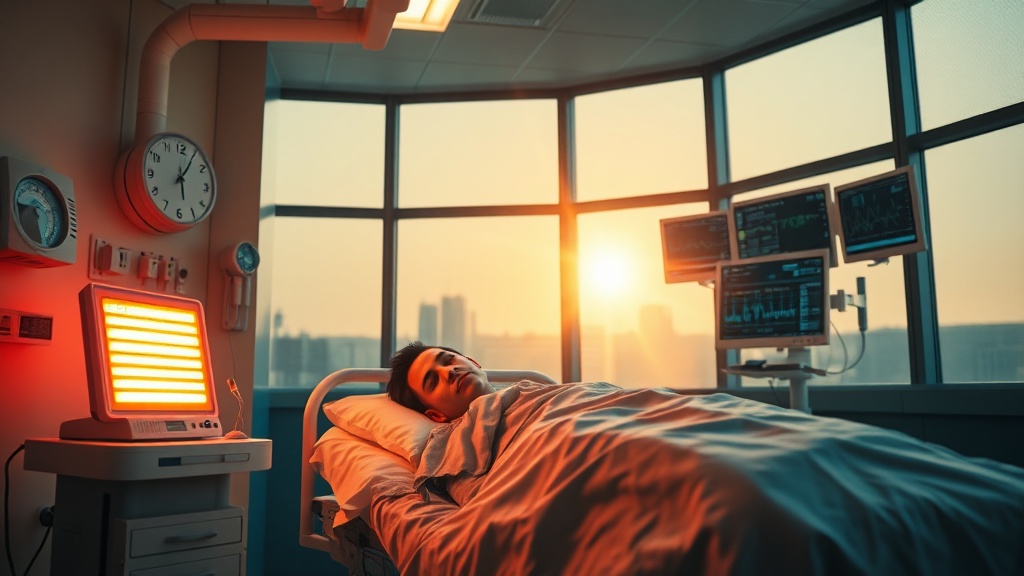
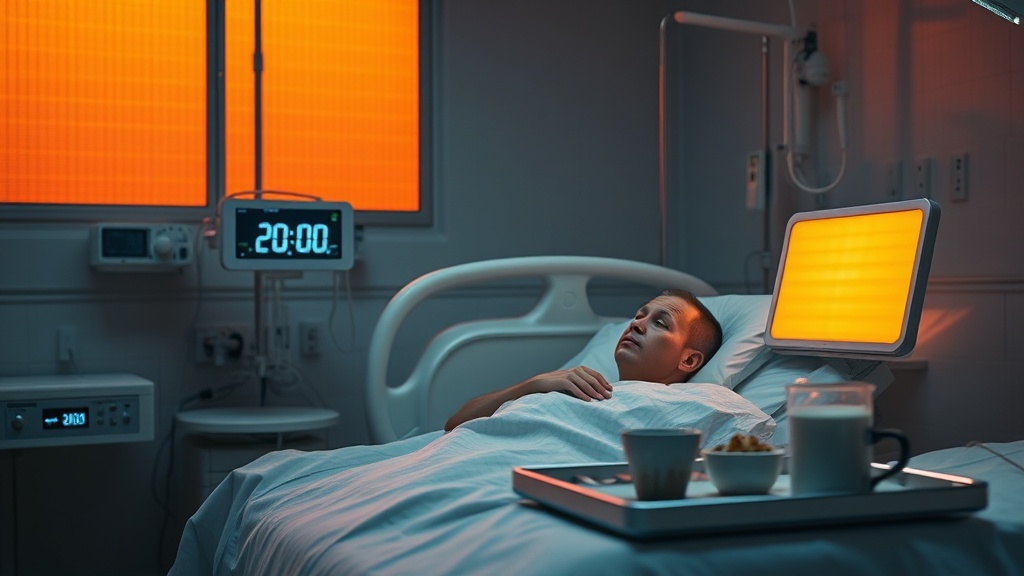
Study B randomized 240 rectal cancer surgery patients to either standard Enhanced Recovery After Surgery (ERAS) or ERAS plus a circadian reinforcement protocol. The intervention was notably low-tech: timed feeding windows aligned to physiological meal rhythms, controlled light exposure (bright light during daytime hours, dim/amber light after 20:00), and low-dose exogenous melatonin administered in the evening.
The results were unambiguous on the co-primary endpoints. IL-6 AUC over the first seven postoperative days dropped from 518 ± 183 to 362 ± 145 pg·day/mL — a 30.1% reduction (p < 0.001)[1]. The Prognostic Inflammatory and Nutritional Index (PINI) deterioration was nearly halved: –16.9% versus –30.8% in controls (p < 0.001)[1].
Hospital stay shortened from a median of 11 days to 9 days (p = 0.002). No serious adverse events were attributed to the intervention.
The Survival Signal — And Why I'm Cautious#
Here's where it gets interesting and where I want to be careful. The circadian reinforcement group showed a 3-year disease-free survival hazard ratio of 0.56 (95% CI: 0.35–0.89; p = 0.014)[1]. That's a 44% relative reduction in disease recurrence or death. In oncology, that number would be stunning for a pharmaceutical intervention, let alone a behavioral one.
But here's where I pump the brakes. This is a single-center trial with 240 patients. The survival data is a secondary endpoint. And 3-year follow-up in rectal cancer, while meaningful, doesn't tell us about long-term recurrence patterns. The mediation analysis — CRI improvement accounting for 27.8% of IL-6 reduction and 22.4% of ΔPINI benefit — is suggestive but not causal proof[1].
I'd want to see this replicated in a multicenter design before making strong survival claims. The inflammatory and recovery endpoints, though, are solid.
The Molecular Logic: Why Timing Governs Immunity#
The biological plausibility here is strong and getting stronger. A Nature Communications study demonstrated that CRY1 — a core circadian protein — directly regulates DNA double-strand break repair through modulation of end resection via the CCAR2-CtIP axis[4]. DNA resection peaks in early morning and declines by late afternoon, meaning the accuracy of DNA repair itself oscillates on a 24-hour cycle. This has direct implications for both surgical recovery and cancer progression.
Separately, Li et al. (2026) in Frontiers in Immunology reviewed the evidence for chrono-immunotherapy — timing immune checkpoint inhibitor infusions to circadian immune peaks. Retrospective data consistently suggests morning ICI administration yields better outcomes, though as Özdemir et al. (2025) argued in the Journal for ImmunoTherapy of Cancer, prospective randomized confirmation is still needed[2][6].
The connecting thread is this: immune cell trafficking, cytokine signaling, and even DNA repair fidelity all follow circadian oscillations. When you flatten those oscillations — through surgical stress, light pollution, or mistimed feeding — you degrade the body's capacity for immune surveillance, inflammatory resolution, and genomic maintenance simultaneously.
Cao et al. (2025) showed that circadian rhythm-related gene expression profiles in melanoma predict both prognosis and immunotherapy response, reinforcing the idea that circadian status is not peripheral to cancer biology — it's embedded in it[5].
Circadian Reinforcement vs Standard ERAS: Key Outcomes
COMPARISON TABLE#
| Method | Mechanism | Evidence Level | Cost | Accessibility |
|---|---|---|---|---|
| Circadian Reinforcement (timed light/feeding/melatonin) | Restores CRI, reduces IL-6, preserves PINI | Single-center RCT (n=240) | Very low (~$5–15/day) | High — requires protocol changes, not equipment |
| Standard ERAS Protocol | Multimodal perioperative optimization (nutrition, mobilization, pain management) | Multiple multicenter RCTs, meta-analyses | Low–moderate | High — widely adopted |
| Pharmacologic IL-6 Inhibition (tocilizumab) | Direct IL-6 receptor blockade | RCTs in inflammatory conditions; limited surgical oncology data | High (~$1,000+/dose) | Moderate — requires specialist prescription |
| Exogenous Melatonin Alone | Pineal hormone replacement, antioxidant, mild immunomodulation | Mixed RCT evidence in surgical settings | Very low (~$0.10/dose) | Very high — OTC supplement |
| Chrono-immunotherapy (timed ICI infusion) | Aligns checkpoint inhibitor delivery with circadian immune peaks | Retrospective data only; no RCTs yet | No additional cost beyond scheduling | High — logistical challenge only |
THE PROTOCOL#
Based on the Soochow University trial design and supporting circadian biology, here is a practical perioperative circadian reinforcement protocol. This is intended for discussion with your surgical team, not independent implementation.
1. Pre-surgical circadian entrainment (3–5 days before surgery): Establish consistent wake/sleep times. Wake at a fixed time (e.g., 06:30) and seek bright light exposure (≥10,000 lux or direct sunlight) within 30 minutes of waking. Avoid screens and bright light after 21:00. This primes circadian amplitude before the surgical insult.
2. Evening melatonin initiation (2–3 days pre-op, continuing through discharge): Take 0.5–3 mg melatonin 30–60 minutes before target sleep time. The trial used low-dose melatonin as part of the protocol. Start at the lower end; melatonin is a chronobiotic signal, not a sedative — more is not better.
3. Timed feeding windows postoperatively: When oral intake resumes, align meals to physiological windows — breakfast within 1–2 hours of waking, lunch midday, final caloric intake before 19:00. This reinforces peripheral clock gene expression in the gut, liver, and adipose tissue. Avoid nighttime caloric intake entirely.
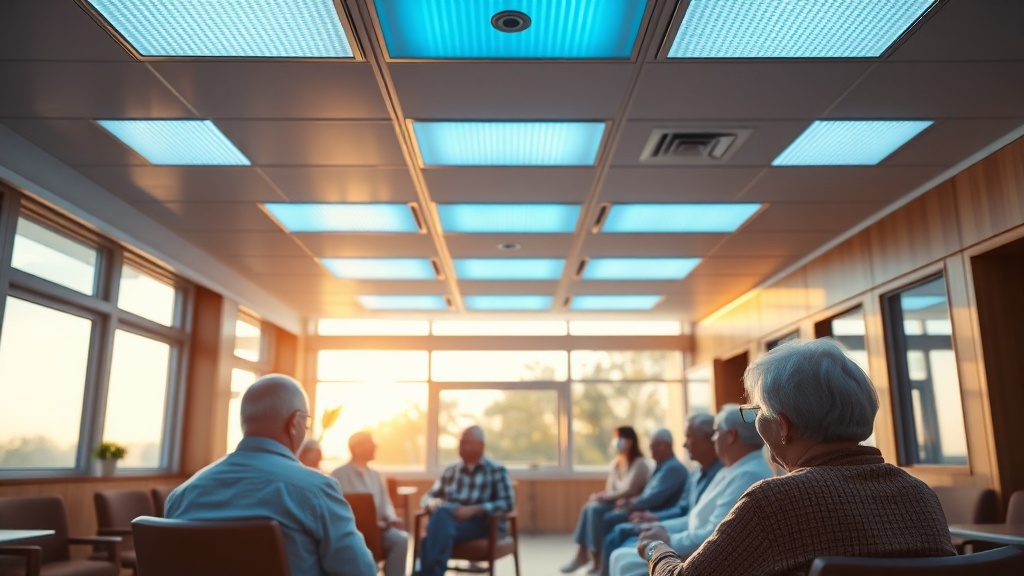
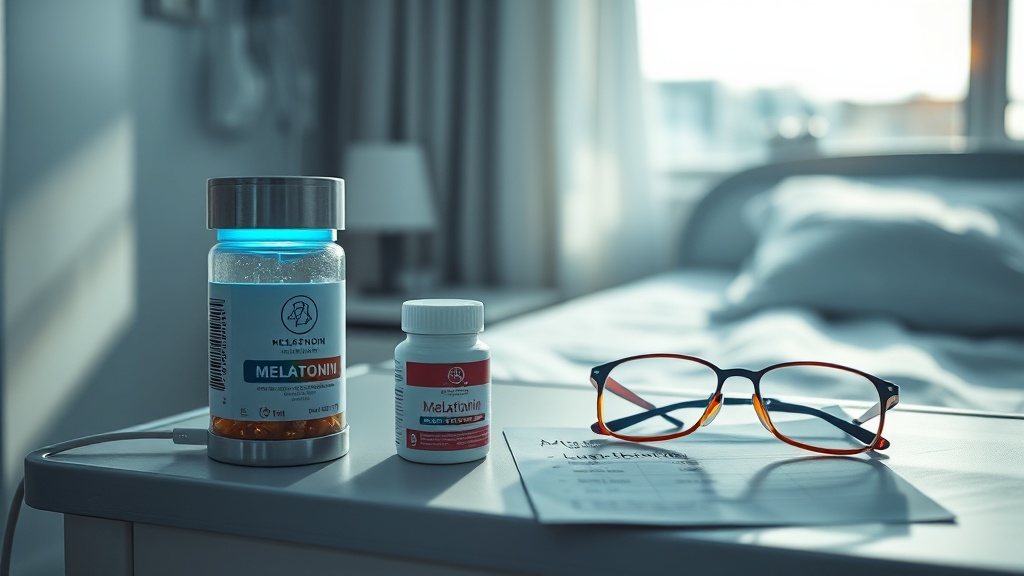
4. Light environment control in the hospital room: Request or bring a portable bright light device for morning use (30–60 minutes, ≥5,000 lux). After 20:00, minimize overhead lighting. Use amber-tinted glasses or request dimmed ward lighting if possible. Blue light exposure after sunset suppresses melatonin and flattens circadian amplitude.
5. Mobilization aligned with daytime hours: Schedule physical therapy and ambulation during morning and early afternoon — not late evening. Movement is a circadian zeitgeber (time-giver) and reinforces the activity/rest cycle that surgery disrupts.
6. Minimize nighttime disruptions: This is the hardest step in a hospital setting. Advocate for clustered care — vital signs and medication timed to minimize overnight awakenings. Use earplugs and an eye mask. Every unnecessary arousal degrades circadian recovery.
7. Post-discharge maintenance (minimum 2 weeks): Continue the light/dark protocol and timed feeding at home. The circadian system takes days to weeks to restabilize after a major perturbation. Don't assume discharge means recovery is complete.
Related Video
What is circadian reinforcement in the context of surgery?#
It's a set of behavioral and environmental interventions — timed light exposure, meal scheduling, and low-dose melatonin — designed to restore the body's 24-hour biological clock after surgical disruption. The Soochow University team formalized this as a measurable protocol integrated within ERAS, and showed it reduced inflammation markers and shortened recovery[1]. It's not a drug. It's temporal hygiene.
How does circadian disruption increase inflammation after surgery?#
When the master clock in the suprachiasmatic nucleus loses synchrony with peripheral tissue clocks, cytokine regulation breaks down. IL-6, which normally follows a circadian secretion pattern, becomes tonically elevated. This feeds forward into CRP spikes, albumin depletion, and impaired immune cell function — essentially a sustained, unresolved inflammatory state that delays tissue repair and may promote residual cancer cell survival[1][2].
Why might circadian protocols affect cancer survival?#
— Actually, I want to be precise here. The trial showed an association between circadian reinforcement and improved 3-year disease-free survival (HR 0.56), but this was a secondary endpoint in a single-center study[1]. The biological rationale is that reduced perioperative inflammation may limit the immunosuppressive window during which circulating tumor cells establish metastases. CRY1-mediated DNA repair timing may also play a role[4]. But I'd call this hypothesis-generating, not proven.
Who should consider this protocol?#
Any patient undergoing major abdominal surgery — particularly oncologic resection — could reasonably discuss circadian reinforcement with their surgical team. The interventions carry essentially no risk and negligible cost. That said, the strongest evidence is currently specific to rectal cancer surgery within the Soochow ERAS framework[1].
When should circadian entrainment begin before surgery?#
Based on the trial design and general chronobiology principles, 3–5 days of consistent sleep-wake timing and light exposure before surgery appears reasonable. The goal is to maximize circadian amplitude (CRI) at baseline, since the trial showed that patients entering surgery with lower CRI had worse inflammatory outcomes[1].
VERDICT#
Score: 7.5/10
The inflammatory and recovery data are convincing — a 30% IL-6 reduction with zero adverse events from a near-zero-cost behavioral intervention is hard to argue with. The survival signal is exciting but premature for strong claims; single-center, secondary endpoint, moderate sample size. I'm less convinced by the mediation percentages (27.8% and 22.4%) because mediation analysis in a trial this size carries wide implicit confidence intervals that aren't always reported.
What elevates this is the convergence with molecular evidence — CRY1's role in DNA repair timing, circadian gating of immune trafficking, and the growing chrono-immunotherapy literature all point in the same direction. The biological plausibility is not speculative anymore. It's mechanistically grounded.
The honest limitation: we don't yet know optimal melatonin dosing, ideal light intensity thresholds for hospital settings, or whether these effects generalize beyond rectal cancer surgery. But as Özdemir et al. wrote, this may be "low-hanging fruit"[6]. I agree. The risk-benefit calculus overwhelmingly favors implementation while we wait for multicenter confirmation.
References
- 1.Author(s) not listed. Restoring circadian homeostasis is associated with immune–metabolic recovery and medium-term oncologic outcomes after rectal cancer surgery: a prospective randomized trial. Surgical Endoscopy (2026). ↩
- 2.Li Z, Zhang H, Li H, Wu X, Cui H, Liu D. Chrono-immunotherapy's current and future optimization strategies: immunotherapy timing in line with the circadian rhythm brings longer survival benefits. Frontiers in Immunology (2026). ↩
- 4.Author(s) not listed. Circadian regulation of homologous recombination by cryptochrome1-mediated dampening of DNA end resection. Nature Communications (2025). ↩
- 5.Cao P, Xin H, Li X, Zhu S, Liu C, Liu X. Circadian rhythm related genes identified through tumorigenesis and immune infiltration-guided strategies as predictors of prognosis, immunotherapy response, and candidate drugs in skin cutaneous malignant melanoma. Frontiers in Immunology (2025). ↩
- 6.Özdemir BC, Bill R, Okyar A, Scheiermann C, Hayoz S, Olivier T. Chrono-immunotherapy as a low-hanging fruit for cancer treatment? A call for pragmatic randomized clinical trials. Journal for ImmunoTherapy of Cancer (2025). ↩
Yuki Shan
Yuki writes with measured precision but genuine intellectual frustration when the data is messy. She uses long, careful sentences for complex mechanisms, then cuts to very short ones for emphasis: 'That's the problem.' She's comfortable saying 'I'm not sure this matters clinically' even when the statistics look impressive. She'll sometimes restart a line of reasoning mid-paragraph: '— actually, I want to rephrase that.' She's suspicious of studies with small sleep cohorts and says so.
View all articles →